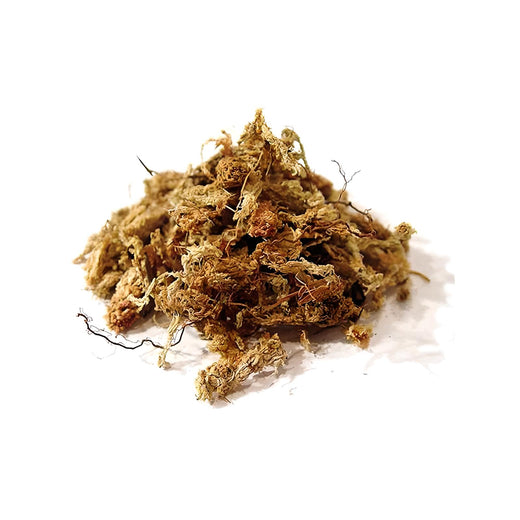

Bag of wood chips for composting
Regular price
11,90 €
Regular price
Sale price
11,90 €
Unit price
/
per
3,96 € × 3 with no fees
Klarna.
This bag contains approximately 400 g of coarse wood shavings, sourced from untreated timber. A handful after each addition of peelings absorbs excess moisture and maintains the balance of the bin.
The shavings provide the carbon that peelings lack, and a well-balanced litter smells of woodland soil.
 Customer support 7 days a week by email
 Delivery within 2 to 15 business days
100 % secure payment
The summary
- What you receive: a bag of approximately 400 g of coarse wood shavings, sourced from untreated timber.
- What it is for: adding carbon to a bin where peelings contribute mostly water and nitrogen.
- How to use it: a handful sprinkled after each addition of fresh waste.
- How it arrives: a lightweight bag, dispatched together with the rest of your order.
Carbon additive for a wormery, in untreated wood shavings
A worm composter receives mostly peelings, that is, water and nitrogen. It almost always lacks a dry, carbon-rich material, which should account for roughly a third of inputs. This bag of approximately 400 g of wood chips, a coarse sawdust of untreated hardwood, provides that dry fraction in a format that can be kept right next to the bin.
🍂 The carbon your tank is missing
A worm compost works well when it receives roughly one third dry matter to two thirds wet matter. Vegetable peelings provide moisture in abundance, so without a dry addition the bedding becomes waterlogged, lacks oxygen, and ferments rather than decomposing. Fine sawdust restores this balance: the shavings absorb the liquid from the peelings, create air pockets for circulation, and supply micro-organisms with the carbon they need just as much as nitrogen. Each handful works in four ways at once.
It absorbs water
Peelings release a great deal of liquid, which the sawdust absorbs before the bedding becomes waterlogged.
It aerates the material
Its thick shavings create air pockets where oxygen can circulate to the worms.
It cuts the odours
A well-balanced compost smells of woodland floor, whereas a waterlogged bed smells of rot.
It keeps fungus gnats at bay
A drier surface is less attractive to fruit flies, which are drawn to moisture and fermenting fruit.
Keeping the bag next to the composter
Keep this open bag next to the composter rather than at the back of a cupboard, so a handful of sawdust is always within reach at each deposit. If you're starting a colony at the same time, order it together with the worm starter kit, as the first additions of peelings will already call for it. For a full year's worth of deposits, the annual accessories pack includes two bags along with the activator.
🧂 A handful after each deposit
The process is always the same: add the day's peelings, sprinkle a handful of wood shavings on top, and close the lid. Alternating layers of peelings and wood shavings maintain the balance without any measuring, and if an odour appears, an extra handful will dry out the surface within a few days. Once the bag is empty, dry fallen leaves work just as well. Avoid corrugated cardboard, however, as its adhesive would end up in your compost, along with the glossy paper from magazines and wood-chip animal bedding.
This sawdust is suitable for all worm composters in the catalogue: the indoor wormery, where it fills the integrated reservoir, the pot designed to be buried in the vegetable patch, the stacking tray composter, and the balcony planter-composter. It also works in a standard garden composter, alternated with green waste. Because a well-balanced bin produces better-quality compost, it also affects what you ultimately return to your crops.
🌳 Alsatian hardwood shavings
The sawdust comes from a small artisan wood-turning workshop in Alsace, and is made exclusively from untreated hardwoods. This is a requirement for its use, since the compost will end up at the base of your plants: a treated, painted, or varnished wood would leave residues behind. The bag weighs around 400 g, a modest weight for a considerably larger volume, as sawdust is very light.
Technical specifications
The essentials
- Weight
- Approximately 400 gSawdust is lightweight: the bag takes up far more space than its weight would suggest.
- Material
- Untreated hardwood chippingsSourced from a wood-turning workshop in Alsace.
- Role
- Carbon inputIt balances out the nitrogen and moisture that peelings introduce in excess.
- Dose
- 1 handful per depositSprinkled on the surface, not mixed into the bedding.
To budget for separately
- A worm composter
- Stacking tray bin or buried potThis sawdust is a supplement: it cannot compost anything on its own.
- A worm colony
- A batch of compost wormsThey are the ones transforming the material; the sawdust simply keeps the balance.
In the box
- 1 bag of approximately 400 g of coarse wood shavings, from untreated wood.
Weight, species, origin and role in composting: figures from manufacturer Agrotonome, recorded on 07/10/2026. The weight is given as an approximate value, as stated by the manufacturer.
Estimate your
delivery time
Your estimate
Delivery
Estimated time
It covers preparing your order and then the transit time quoted by the carrier, counted in working days.
It is not a guaranteed delivery date: public holidays, peak periods, customs or a carrier delay can extend it. The exact amount, in your currency, is worked out in the cart once your address is entered.
A light but bulky package: sawdust takes up a great deal of space for very little weight, and shipping is charged by volume. It travels without any difficulty alongside the rest of your order. Exact shipping costs are displayed at checkout once your address has been entered.
Frequently asked questions
6 questions
6 key questions
You may also like


Related articles

Guide
Worm castings, a natural fertiliser
What the material becomes once the carbon-to-nitrogen balance is maintained.
Read the article

Practical
Controlling pests in aquaponics
Fungus gnats, their life cycle, and how to cut off their access.
Read the article

Grow media
Which grow medium to choose for aquaponics?
Where the finished compost will find its place in a soilless growing system.
Read the article

Nutrition
Which fertiliser should you use in aquaponics?
What compost provides, and what needs to be added alongside it.
Read the article

Seasons
A practical schedule for success with aquaponics
The moment in autumn when dead leaves take over from sawdust.
Read the article

Cooking
Summer recipes from the kitchen garden
The volume of peelings from a summer, and the carbon needed to balance them.
Read the article
Let us talk about your project
A question about this product or your setup? Our team will answer and advise you.

Interest-free instalment payments
Offered depending on the cart amount, at checkout.

Delivery in 2 to 15 working days
Depending on the products and shipping sites. Estimate by destination in the estimator on this page.

After-sales service 7 days a week by email or chat
Our team answers all your questions.

Shop responsibly
Become part of the change.
