Building Your Aquaponics System : The Complete Guide to Getting Started

03 April 2026
Créer son système aquaponique : le guide complet pour se lancer

Do you dream of producing your own fresh vegetables and fish from home, in just 2 m² of garden, without pesticides, without weeding, and with 95% water savings ? This is not a pipe dream. This is exactly what aquaponics makes possible. But between the fascination of the concept and the reality of the first running system, there is a journey... and mistakes to avoid.

In this article, we give you the basics to understand how an aquaponics system works, what you really need to know before getting started, and how structured training can save you months of errors and frustration.

What exactly is an aquaponic system ?

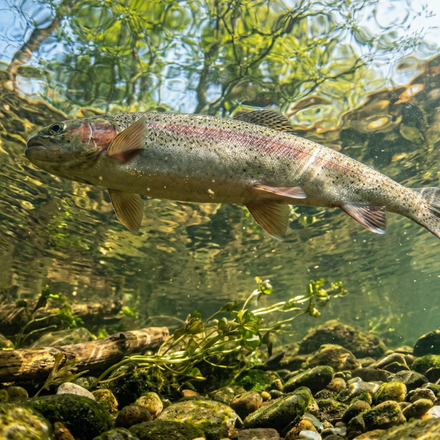
It's a system based on aquaponics that combines two types of cultivation : aquaculture, which is fish farming, and hydroponics, which is growing plants without soil. The principle is as simple as it is brilliant. Fish produce nitrogen-rich waste. Bacteria convert this waste into nutrients directly absorbable by the plants. The plants filter the water by absorbing them. The purified water returns to the fish tank. A closed, autonomous ecosystem where each element nourishes the other.

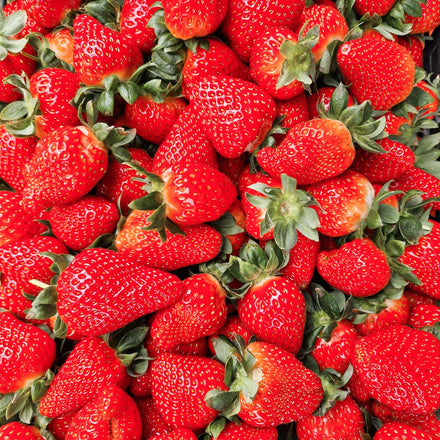
The result : vegetables grown without chemical fertilizers, fish raised without antibiotics, and production that you control from A to Z. On a 2 m² system, you can expect approximately 30 kg of fish and 20 kg of vegetables per year, with only 27 watts of electricity consumption for small, well-optimized systems.

📊 Why get started ? The numbers speak for themselves :

  • 95% water savings compared to traditional vegetable gardens
  • 2x faster plant growth thanks to fish nutrients and uninterrupted access to water
  • 2 m² is enough to set up a functional system
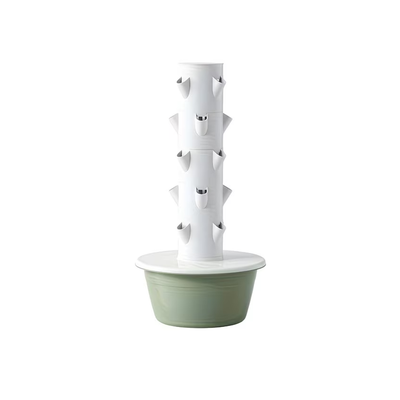
  • Only 27 W, the electricity consumption of a T'Air-Eau system

Result : vegetables grown without chemical fertilizers, fish raised without antibiotics, and production that you control from A to Z. On a single 2 m² system, you can expect ~30 kg of fish and ~20 kg of vegetables per year.

Why do so many beginners give up along the way ?

Aquaponics is fascinating. It also relies on a delicate biological balance. Without a guide, beginner mistakes are all similar : a system started too quickly, poorly calibrated pH, fish introduced before the bacterial colony is established, or plant choices unsuited to the system's stage.

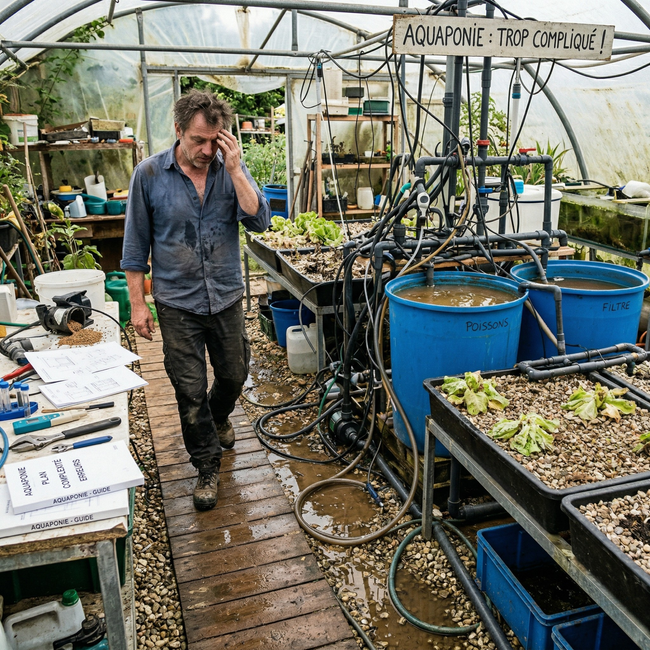
⚠️ THE #1 PROBLEM : It's isolation. Finding yourself alone in the face of a complex problem, with contradictory information sources on the internet, not knowing if what you're observing is normal or a sign of impending failure. The most common frustrations : unstable water parameters, a sudden ammonia spike, suffering fish, and no harvest in sight after weeks of investment.

The difference between those who succeed and those who give up is not about motivation. It's about the method and the quality of initial support.

"In aquaponics, success doesn't depend on your garden or your budget. It mainly depends on your understanding of the biological cycle and the quality of your initial support."

The 5 key steps to creating your first system


1) Understanding the nitrogen cycle, the foundation of everything

Everything relies on this fundamental cycle. Fish produce ammonia, a compound toxic to them. Nitrifying bacteria, first Nitrosomonas, then Nitrobacter, transform this ammonia into nitrites, then into nitrates. Plants absorb these nitrates as a natural fertilizer. The purified water then returns to the tank.

Without good bacterial colonization, known as "cycling," your system will never be stable. This phase lasts between 3 and 6 weeks. It's the most critical step, and the one most often rushed by beginners who want to go fast. Spending time on this phase will save you weeks of trouble later.

2) Choosing your system and equipment

There are several possible aquaponics configurations : the flood and drain system with substrate, called a media bed ; NFT, or Nutrient Film Technique ; and DWC, or Deep Water Culture. For a first system, the flood and drain system with expanded clay pebbles is the simplest and most forgiving of errors. It hosts bacteria and plant roots, and drains water regularly without saturation.

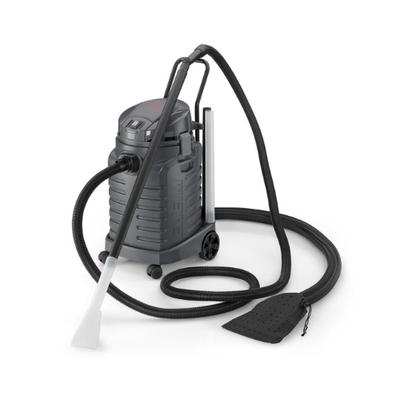
Essential equipment to get started: a fish tank, a grow bed, a pump, an air stone, substrate, a drainage system (bell siphon or timer), and a water testing kit. Do not skimp on the testing kit : it's your dashboard, and it will save you from many unpleasant surprises.
3) Choosing your fish and plants

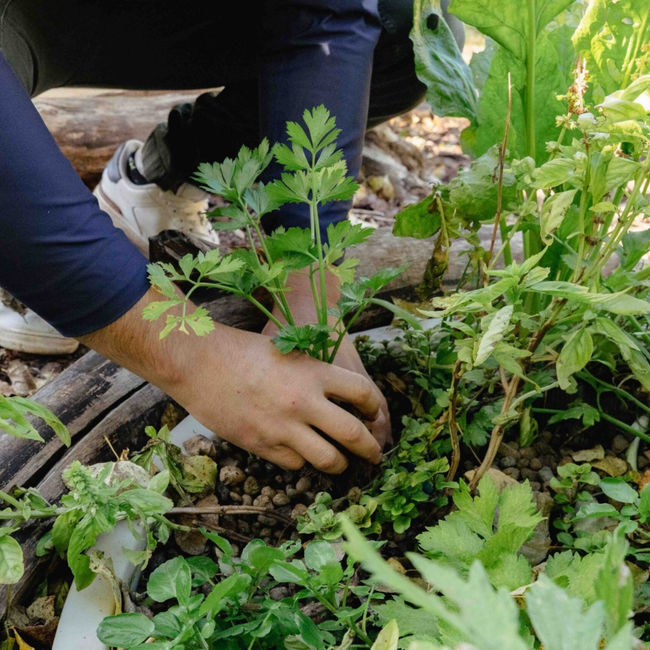
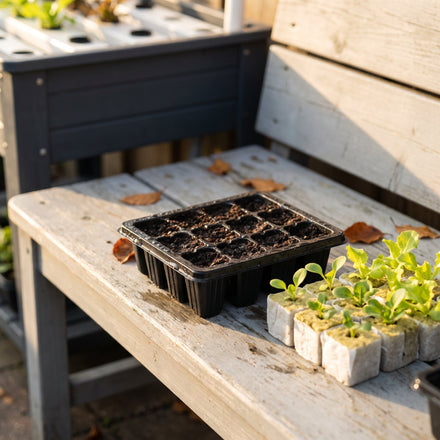
To start, prioritize robust and tolerant species. For fish, koi carp and perch are good choices for a first system in a temperate region. For plants, leafy greens are the stars of beginner aquaponics : lettuce, spinach, basil, arugula. Fast-growing, low nutrient requirements, and excellent for stabilizing the nitrogen cycle.

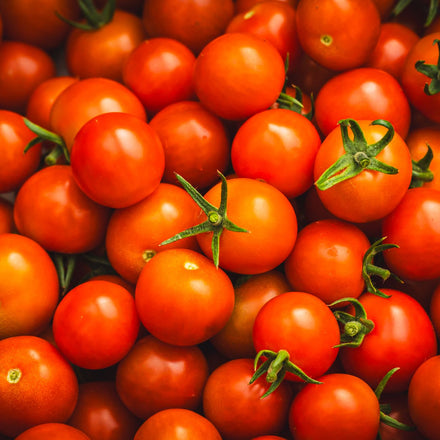
Fruiting vegetables, such as tomatoes, peppers, and zucchini, are possible but should be reserved for a mature system, at least two to three months after startup. Before that, your bacteria need to work undisturbed, without the additional pressure of intensive production.

4) Master the Water Parameters

In aquaponics, water is your dashboard. The parameters to monitor first are : pH, ideally between 6.8 and 7.2 ; ammonia, which should remain at 0 ppm once cycling is complete; nitrites, which should also drop to 0 ; nitrates, acceptable up to 40 to 80 ppm ; and temperature, which should be suited to your species.

A liquid test kit is much more accurate than test strips. Test your water at least twice a week during the first two months. Once the system is stable, a weekly test is sufficient to maintain control.

 5) Adapt Management Over Time

An aquaponics system improves with experience. Fish density, fish-to-plant ratio, pumping cycle frequency, mineral supplementation with chelated iron or calcium carbonate to stabilize pH : these are all levers you will refine week after week. This is where belonging to an active community really makes a difference. Having someone to ask a specific question at the right time is better than hours of research on contradictory forums.

The T'Air Eau training, to avoid starting from scratch

If you want to structure your learning and avoid common mistakes, T'Air Eau's "Taireauponie" online training was designed precisely for that.

It guides you from the installation of your first system to your first harvests, with guided videos, a clear step-by-step method, and an active community so you never get stuck. Beginners welcome. Accessible from a smartphone, at your own pace.

Thomas, 32, built his first functional system in 30 days with his first harvests of basil and lettuce. The difference between him and those who give up after three weeks ? A method and someone to ask questions at the right time.

Univers Aquaponie allows you to enjoy a 5% discount on the training with the code UNIVERS-TAIREAU5.

Conclusion : Aquaponics, accessible to all with the right start

Aquaponics is not just for experts or large-scale operations. In just 2 m², with the right method, it is entirely possible to produce your own vegetables and fish, all year round, without pesticides or weeding. What makes all the difference is the quality of the initial learning.

Whether you're just curious or ready to take action, discover T'Air Eau's support to ensure you're never alone with your ecosystem.