15 plants to grow in aquaponics

13 March 2026
Les 15 plantes à cultiver en aquaponie

Aquaponics is ideal for growing a wide variety of plants, both indoors and outdoors. Some varieties adapt particularly well to this soilless growing method, with a constant supply of nutrient-rich water.

15 plants to grow in aquaponics

By combining aquaculture and hydroponics, aquaponics offers a perfectly balanced ecosystem, ideal for growing a wide variety of plants. Choosing the right plants is essential to ensure system stability, water quality, and satisfactory plant production. Some plants adapt better than others to this humid, nutrient-rich environment, which can sometimes fluctuate in temperature. Here's an overview of the plants best suited to growing in your aquaponic system, whether for home or professional use.

Leafy vegetables to grow in aquaponics

For beginners, it's advisable to start with easy-to-grow plants. The goal is to facilitate the system's establishment while ensuring an encouraging first harvest.

Leafy green vegetables are undoubtedly the undisputed stars of aquaponic systems. Their rapid growth, moderate nutrient requirements, adaptability, and ability to stabilize the nitrogen cycle make them perfect allies for both beginners and experienced aquaponic growers. Furthermore, they offer excellent yields with minimal effort.

Lettuce, spinach, arugula, kale, chard, mustard greens…
All these leafy vegetables have vigorous growth and are often harvested continuously, which maximizes their profitability. They are also essential to the balance of the system, as they efficiently absorb nitrates produced by the fish, thus reducing nitrogen spikes and helping to maintain healthy water.

  • Lettuce : Very hardy, it tolerates a variety of conditions, grows quickly (sometimes in 30 days) and can be harvested continuously, all year round. Ideal for stabilizing water parameters.
  • Spinach : Prefers cooler temperatures (10 to 20°C) and well-oxygenated water. It is sensitive to excessive heat, but very rich in iron and vitamins.
  • Rocket and mustard : These two leaves with a strong flavor are easy to grow. They germinate quickly (in 3-5 days) and add diversity to salads.
  • Kale and Swiss chard : More robust, they tolerate temperature variations better and produce over a long period. Very rich in nutrients (calcium, vitamin K), they are perfect for diversifying your diet.

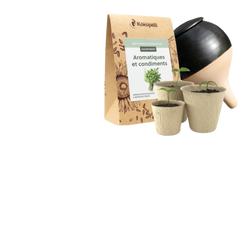
Aromatic herbs in aquaponics

Aromatic herbs are among the most popular plants in aquaponics. Their high culinary value, rapid growth, and moderate nutritional needs make them ideal candidates.

Like leafy greens, they can be grown with few nutrients and adapt well to a young, stabilizing system. Another significant advantage is that most of these plants are harvested leaf by leaf as they ripen, without compromising their development. This allows for continuous production over several weeks, or even months. Highly valued for their culinary uses, they also add an aesthetic and aromatic dimension to the system. Their rapid growth and tolerance to constant humidity make them high-value crops, both for personal consumption and for local resale.

Basil, mint, parsley, coriander, chives, dill…
All these herbs grow particularly well in well-oxygenated containers, benefiting from nutrients directly absorbed from the water.

  • Basil : A heavy light lover, it grows quickly and can be pruned every two weeks. It will add a significant touch to your tomato salads and Italian dishes.
  • Mint : Extremely productive, it can quickly become invasive. It is therefore recommended to grow it in separate pots to control its spread.
  • Parsley : Very hardy, it grows slowly at first but can produce for several months without stopping.
  • Coriander and dill : More sensitive to heat, they are ideal in cooler periods. Their cultivation improves biodiversity and helps regulate insect populations.

Fruit and vegetable plants compatible with aquaponics

Fruiting vegetables are more demanding in terms of light, nutrients, and heat, but growing them in a mature aquaponic system can be extremely rewarding. They often require physical support (a hydroponic growing block or coconut fiber) and good climate control, but in return offer abundant and colorful harvests.

Tomatoes, cucumbers, peppers, chili peppers, eggplants…
All these plants belong to the Solanaceae or Cucurbitaceae family, two large families that adapt very well to aquaponics provided that the system is well established.

  • Tomatoes : very popular, they are ideal for growing in flood and drain containers or using NFT (Natural Film Technique). They produce for a long time and can yield several kilos of fruit on a single plant, provided they have warmth and a sturdy structure to climb.
  • Cucumbers : like courgettes (if the system is large enough), appreciate a spacious, well-ventilated environment and a substrate that allows for good root circulation. They need good staking.
  • Peppers and chilies : very similar, they thrive in deep, nutrient-rich containers. They like consistent warmth, direct sunlight, and well-regulated humidity.
  • Eggplants : although less common, can also produce very beautiful fruits provided they benefit from a stable system and good sunshine.

Other complementary varieties

Aquaponics isn't limited to traditional leaves and fruits ! Many "secondary" or complementary plants can also enrich your system. These crops often allow you to play with crop rotations, optimize space, or add sweet and unique touches to your harvests.

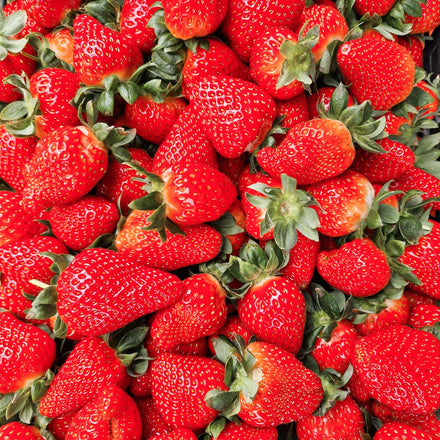
  • Strawberries : highly prized, they grow very well in vertical or hanging systems. Their flavor is often more pronounced thanks to the nutrients directly absorbed from the water. They like cool temperatures but also light.
  • Climbing beans : like green beans, adapt perfectly to well-balanced systems with good support. They also enrich the system with nitrogen through their roots, which is a small bonus for overall balance.
  • Melons : can be tested in systems with good sun exposure, plenty of space and good support for the stems.

Plants unsuitable for aquaponics

Aquaponics allows for the cultivation of a wide range of fruits, vegetables, herbs, and aromatic plants, but it is not universally suitable for all plant species. Some plants are particularly ill-suited to this type of environment due to their specific substrate requirements, their sensitivity to humidity, or their growth patterns being unsuitable for aquaponic systems.

Root and bulb vegetables

At the top of the list are root and bulb vegetables such as carrots, potatoes, onions, turnips, radishes, and beets. In a constantly irrigated bed, roots and tubers are at risk of becoming deformed, rotting, or remaining stunted. Indeed, constant moisture is not conducive to their development, as it prevents the natural aeration of the soil.

Fruit trees

Other slow-growing plants, or those with invasive root systems, should also be avoided. Fruit trees, shrubs, or large plants are not suitable for a home aquaponics system, as their anchorage requires deep, stable soil, often incompatible with the lightweight substrates used, such as expanded clay pebbles. Their longevity and size make them difficult to manage in a tank or aquaponic tower.

Plants with specific soil requirements

Some species require conditions that aquaponics cannot provide. This is the case for plants that prefer dry or acidic soils , such as certain heather plants (e.g., blueberries , rhododendrons , azaleas ), or cacti , which will not thrive in a continuously humid environment.
Conclusion : Choosing the right plants is key to success in aquaponics.

To optimize your aquaponic crops, it is important to base your choices on several criteria :

  • Adapt your plantings to the size of the system : Small setups are ideal for salads, herbs, and radishes. For fruiting vegetables, a larger volume, good oxygenation, and sufficient lighting are necessary.
  • Respect the system's maturity : Newer systems, still unstable, are better suited to less demanding plants. Wait 2 to 3 months before adding tomatoes, peppers, or eggplants.
  • Mixing crops : Combining heavy feeders with simpler ones helps to stabilize nutrient supply and avoid imbalances in the nitrogen cycle.
  • Favor local and seasonal varieties : By choosing plants adapted to your climate, you limit the need for heating, artificial light or constant adjustments.
Our "Seeds & Germination" selection for aquaponics