Getting Started with an Aquaponic System

Written by Tristan Ulrich · July 1, 2025
Démarrer en aquaponie

Do you dream of growing your own vegetables while raising fish, but don't know where to start ?
Aquaponics is a sustainable, accessible, and exciting solution for producing food independently at home.
In this article, discover the essential basics to get your aquaponics adventure off to a good start, step by step.

The aquaponic system faces summer challenges


In an aquaponic ecosystem, fish waste (rich in ammonia) is converted by bacteria into nutrients (nitrates) for plants, which filter and purify the water before returning it to the fish. This symbiotic system has many advantages : it uses up to 90 to 95% less water than a traditional soil-based vegetable garden, requires no chemical fertilizers (the fish provide everything), and allows for rapid plant growth.

Aquaponics is also within everyone's reach with a little patience and follow-up. Ready to embark on the adventure ? Follow this step-by-step guide to start your own aquaponics system at home, even without gardening or aquarium experience.

What is aquaponics?

What is aquaponics ?

Aquaponics refers to an ecosystem where fish and plants grow together in symbiosis. In practice, you raise fish in a pond and grow plants in a substrate or on the water, without soil . The fish waste, rich in ammonia, is broken down by nitrifying bacteria into nitrites and then nitrates, nutrients that can be assimilated by plants. The plants absorb these nitrates for their growth and thus clean the water, which is continuously recycled back to the fish pond.

This closed-loop system is very water-efficient , with up to 95% savings compared to conventional open-ground cultivation, as the water is constantly recycled. Aquaponics thus makes it possible to produce vegetables (and possibly fish) in a sustainable, local and fun way.

Choosing your type of aquaponic system

Choosing your type of aquaponic system

Before you start, decide which type of aquaponic system suits you best. There are three common methods: the grow bed (with grow medium), deep water culture (DWC), and the nutrient film technique (NFT).

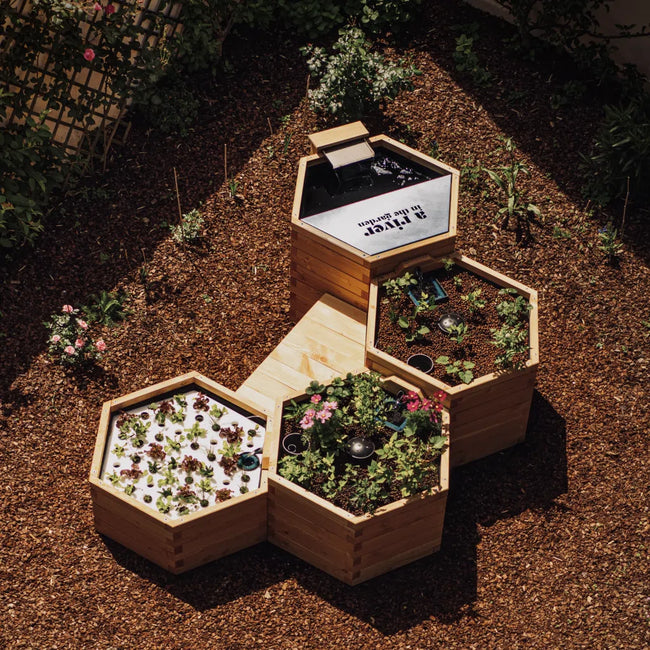
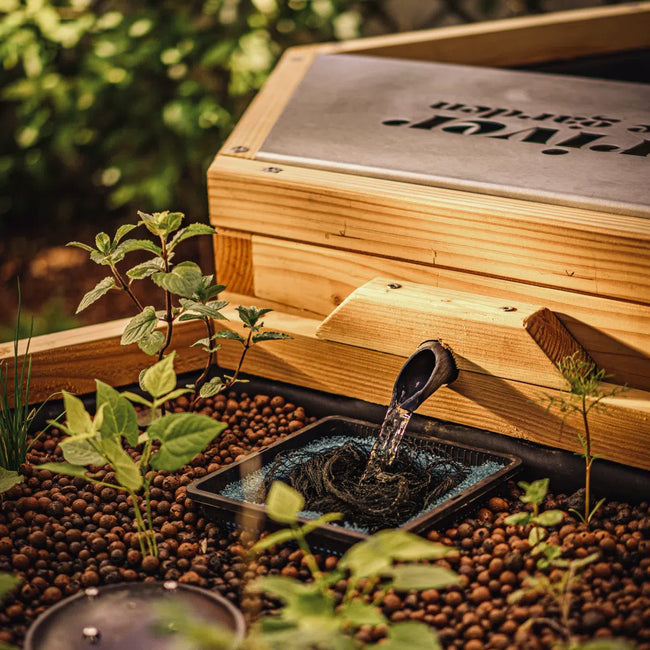
1) The grow bed consists of a tank filled with grow medium (gravel, clay pebbles…) into which pond water is pumped and then flows back down, feeding the plants. This system is highly versatile and allows a wide variety of plants to be grown, with a stable environment for the roots. It is also very forgiving of unexpected events: for example, if the pump fails, the damp grow medium acts as a reserve for the plants, which can survive for a period without water circulation.

Deep water culture in an aquaponic tank

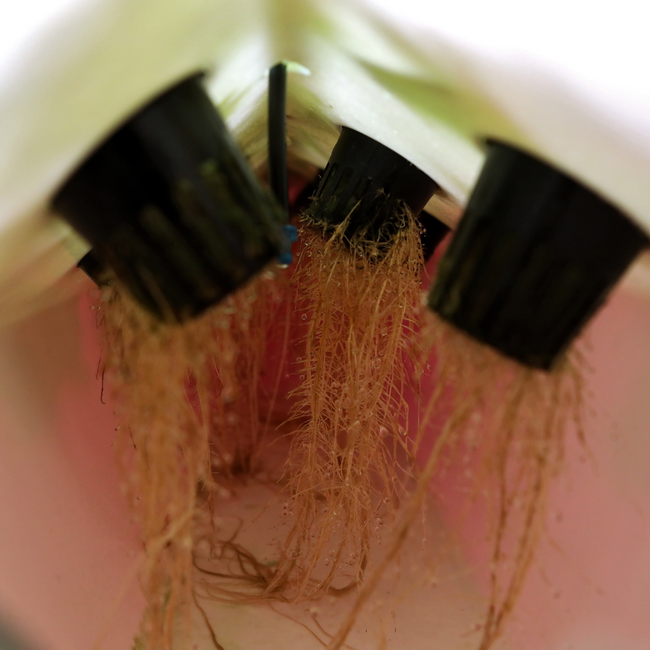
2) The raft system (floating system) uses a tank in which foam boards (rafts) float, fitted with holes to hold plant pots. The roots sit permanently in the pond water. This system is ideal for leafy vegetables (lettuce, basil, etc.) with fast growth cycles.

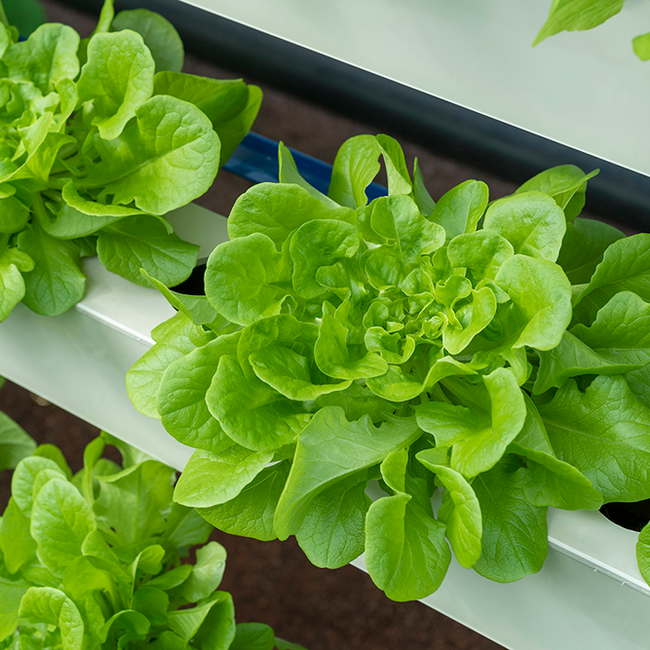
3) NFT (Nutrient Film Technique) circulates a thin film of nutrient-rich water through long pipes or channels in which the plants are placed. It allows vertical growing across multiple levels of pipes and suits smaller plants well (strawberries, herbs).

Which method is best for beginners? For a hobbyist, a grow bed is generally recommended, as it naturally incorporates biofiltration through the grow medium colonised by bacteria. In other words, a grow medium bed is simpler and more robust to get started with. It is also important to make your choice based on the space available for your setup.

Essential equipment for beginners Above-ground fish pond

Essential equipment for beginners

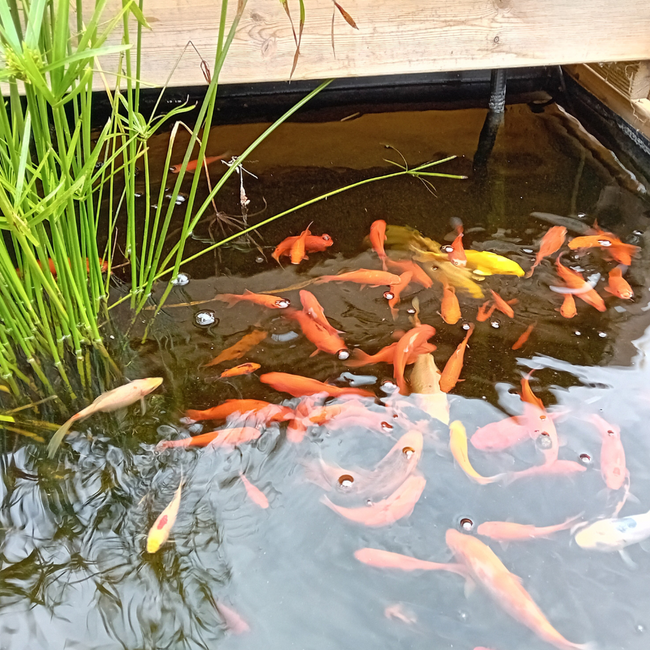
A fish tank : This can be an aquarium, a food-grade plastic tub, a barrel, or any other watertight container. It's best to start with a medium-sized tank (200 L or more) to ensure a stable ecosystem.

A plant growing tray : This is where your vegetables will grow. Its size should be proportional to the size of the fish tank. This tray will be filled with substrate (for a grow bed system) or will support the NFT rafts or pipes, depending on the method chosen.

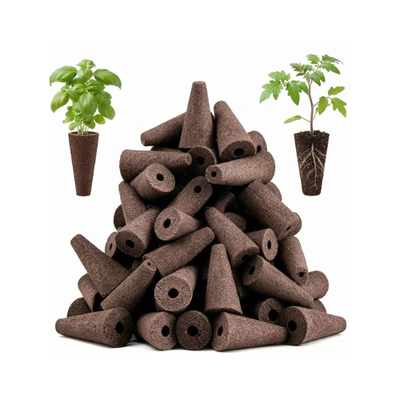
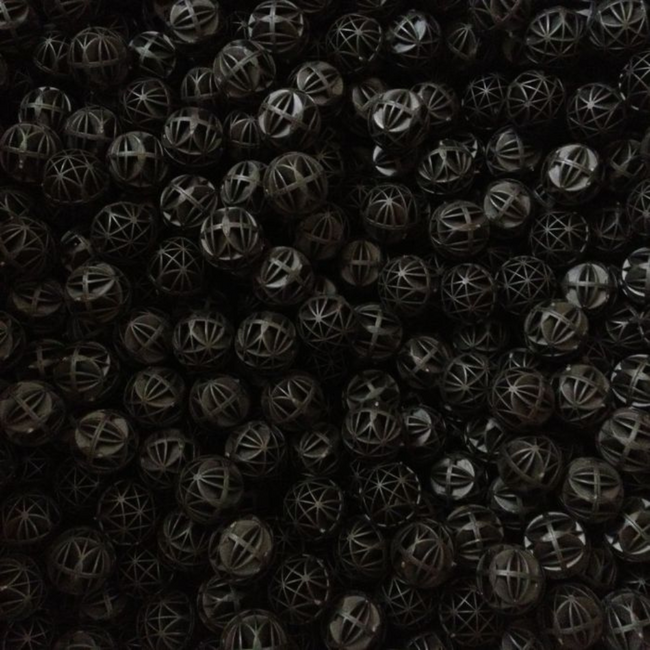
A growing medium (if using a grow bed) : essential for stabilizing plants and harboring bacteria. The most commonly used substrates are expanded clay balls, non-calcareous rolled gravel, or pozzolan.

Pump ensuring water circulation to the grow bed Pond pump : Universal 1200-3400 L/h

A water pump : This circulates water from the pond to the growing tank continuously or intermittently. Choose a pump that is suitable for the volume of water to be mixed (it should be able to pump the entire volume of the pond in one hour, typically).

Pipes and fittings : to connect the pump to the growing tank and allow gravity flow of water back to the pond. 13 mm (1/2") PVC pipe is often suitable. Also, plan a drainage system for the growing tank (an overflow or siphon) to prevent overflow and ensure the flood/drain cycle if necessary.

An aeration system (depending on the case),: Often, mixing the water with the pump is enough to properly oxygenate the pond. However, if the fish density is high or the water volume is large, an air pump with a diffuser (bubbler) can be useful to enrich the water with oxygen.

Where to install your aquaponic system ?

Aquaponics can be installed both indoors and outdoors , provided that a few criteria are met. Light is the first factor to consider. Placing the system in a well-lit, naturally lit area is ideal, as plants need sufficient sunlight on a daily basis. Place your system away from shadows (away from north-facing walls, trees, or hedges that would cast shade).

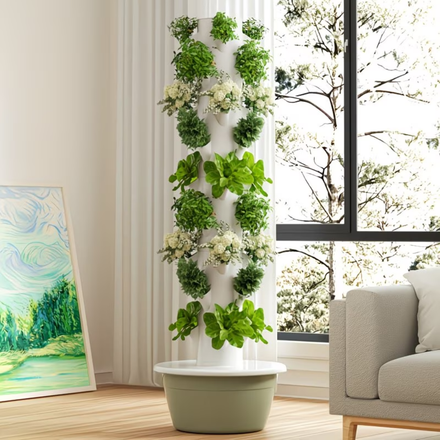
In an apartment without outdoor space, you can install the system near a sunny window. And if the light is insufficient, it is possible to invest in artificial grow lights (horticultural LEDs) to supplement natural light.

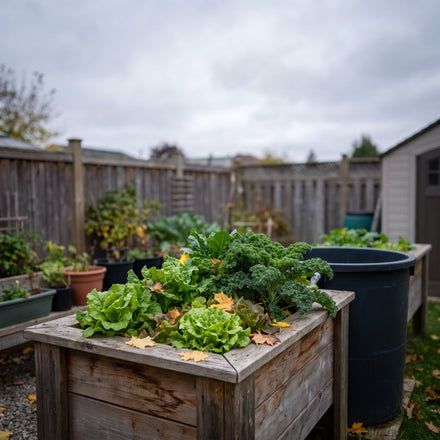
Outdoor aquaponic system in a temperate climate 200W pond heater

The other important criterion is the ambient temperature. In temperate climates, an outdoor system works well from spring to fall, but winter poses a challenge. If you install your aquaponics system outside, plan to be able to bring the system indoors in winter (garage, veranda) or protect fish and plants from frost.

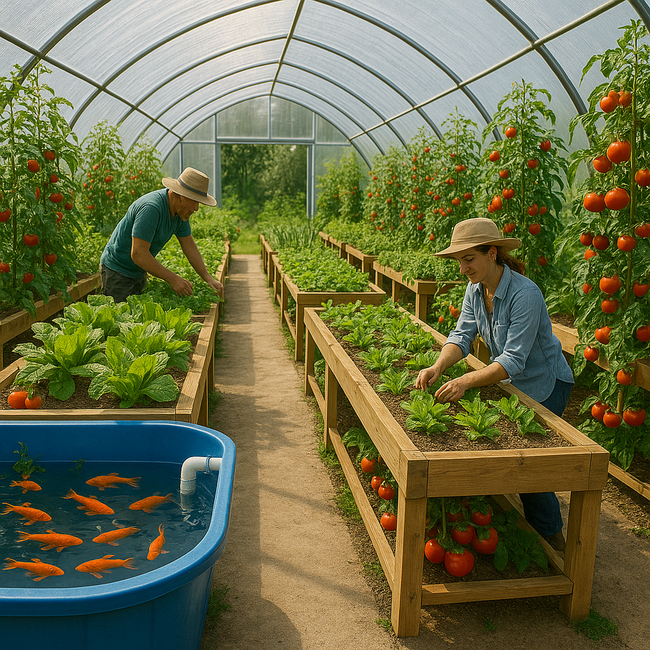
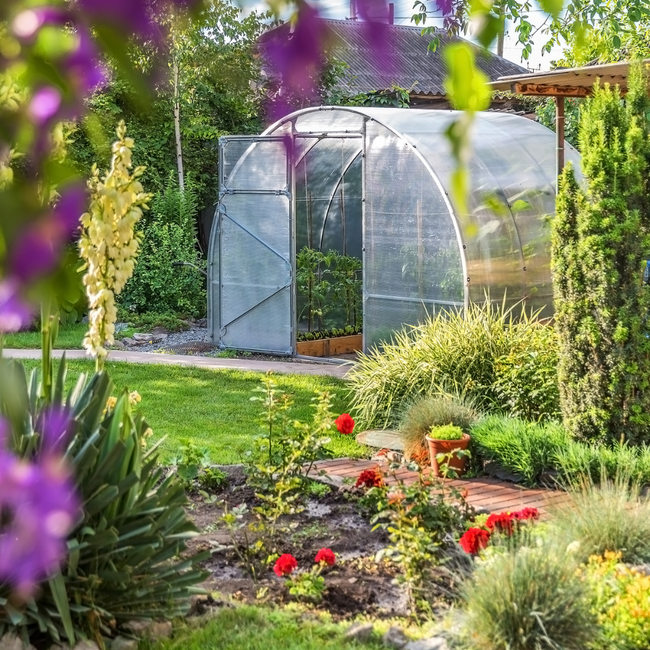
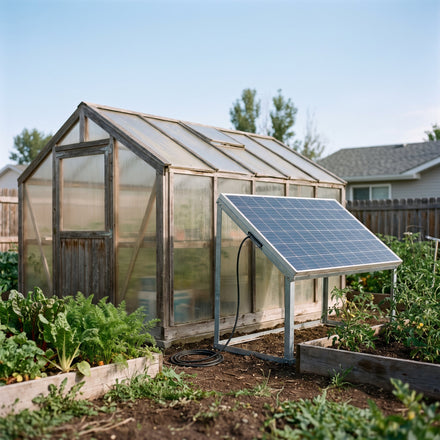
Ideally, if you have the option, you should build or use a greenhouse. A dedicated aquaponics greenhouse allows you to maintain a favorable microclimate year-round, your fish and plants will be protected from the elements and cold, while still receiving sunlight.

Place the pool in a stable, level location that's easy to access for maintenance. Finally, provide a secure electrical outlet nearby to power the pump (and lighting if needed).

Starting up your aquaponic system: the first few weeks

Launching the Aquaponic System : The First Weeks

Once the equipment is in place and the location is chosen, you need to start the system's biological cycle before adding all your fish and plants. This is to give the nitrifying bacteria time to colonize the filter and transform the nitrogenous waste. First, fill your pond with water (preferably dechlorinated or left to stand for 24 hours to evaporate the chlorine). Turn on the pump to circulate the water.

At first, introduce very little life: ideally, do a dry cycle (without fish) or with one or two robust feeder fish. Monitor the evolution of the water quality each week using tests : after 1 to 2 weeks, the level of ammonia toxins will rise then fall in favor of nitrites, then nitrates will appear.

This process typically takes 4 to 6 weeks for sufficient bacterial balance to establish. Be patient !

Water test checking ammonia and nitrite before adding fish Essential Pack : Aquaponics water analysis (NH4, NO2, NO3, pH, KH)

Wait until the tests show 0 mg/L of ammonia and nitrites, a sign that the biological filter is doing its job, and a few dozen mg/L of nitrates (a non-toxic nutrient consumed by plants). You can then gradually add your fish to the pond (preferably during a mild period in spring or autumn, outside of heat waves or frost).

Introduce a few fish at a time, spacing them out over several days, so as not to saturate the system all at once. Similarly, gradually plant your growing tank with easy-to-use young plants (lettuce, basil, mint, etc.) so that they begin to absorb nitrates.

During these first few weeks, monitor your setup daily : check that the pump is running continuously, that the water remains clear, and measure the pH and toxins every 2–3 days. The ideal pH is between ~6.5 and 7.5 to suit both fish and plants. Once the nitrogen cycle is established, your aquaponics system is officially "cycled" !

First steps and mistakes to avoid

First reflexes and mistakes to avoid

Clean, well-oxygenated water at the right temperature and balanced in nutrients keeps fish and plants healthy. Test the water regularly (pH, ammonia, nitrites, nitrates) and be ready to intervene if something goes wrong (for example, a nitrite spike that needs to be corrected by a partial water change).

Feed your fish sparingly : Overfeeding is a common mistake. It can be tempting to overindulge, but excess uneaten food decomposes and causes ammonia levels to skyrocket, throwing the fish out of balance and potentially poisoning the entire system. A good rule of thumb is to only feed as much as the fish can eat in 2 to 3 minutes, even if it means splitting up the meals. In aquariums, the recommended basic density is about 1 cm of fish per liter of water.

Aquaponic system in the biological cycling phase

Common mistakes to avoid : Skipping cycling or adding sensitive fish too quickly is a guarantee of problems (diseases, mortality).

Going too fast or too big : Don't start with a huge, complex system. A small unit of 200–500 L is ideal for beginners: large enough to be stable, but still easy to manage.

Neglecting routine maintenance : Although aquaponics requires little daily maintenance, a quick daily inspection is important. Check that the pump is working, that the water level is correct (regularly compensate for evaporation), that the fish are eating well and showing no signs of stress. Remove dead leaves from the plants, and make sure no pipes are blocked by debris.

Conclusion: Over to you!

Setting up an aquaponic system at home is a rewarding and accessible adventure. It does take a little preparation and patience at the start, but the effort is well worth it. By following this step-by-step guide — from choosing your system through to cycling it, covering equipment installation and best practices along the way — you have everything you need to take your first steps in aquaponics. Don't be afraid to start small, observe your ecosystem carefully, and intervene gently whenever necessary. You'll find that over time, your aquaponic setup will become more balanced and more productive.

Aquaponics not only provides fresh, healthy vegetables, but also a genuinely enriching day-to-day experience — educational for children and deeply satisfying for anyone looking for greater food self-sufficiency. So dive in with confidence: even as a complete beginner, you can successfully build and run your own aquaponic system at home.

Sources

Oklahoma State University Extension, Nitrification and Maintenance in Media Bed Aquaponics, Start-up time for the biological filter and the pH range tolerated in the growing bed.

New Mexico State University, Aquaponics, Circular 680, Target values for dissolved oxygen, total ammonia and nitrite.

UF/IFAS, A Practical Guide for Aquaponics as an Alternative Enterprise, HS1252, Approximate figures for fish stocking density, feeding rate, and water renewal.

Goddek et al., Challenges of Sustainable and Commercial Aquaponics, Sustainability, 2015, Distribution of feed-to-grow-bed ratios and the system's compromise pH.

SMIDAP, programme OPRA 2, rapport final, French practical experience on managing aquaponic systems and their water consumption.

Frequently asked questions

Yes, indoors or in a heated greenhouse. Outdoors, in a temperate climate, it is better to wait until spring, as cycling is very slow in cold water.

There is no universal ratio, and this is precisely what the overview literature on aquaponics makes clear. The balance depends on the species being raised, the feed composition, the plants being grown, and the water chemistry. Published figures for leafy vegetables range from roughly fifteen to one hundred grams of feed distributed per day per square metre of growing area — a considerable spread.

For your first year, think in terms of feed rather than number of fish. Start deliberately at the low end of that range, then observe. If nitrates build up and the plants are putting on strong growth, you can increase the ration. If ammonia or nitrites start to rise, you are already feeding too heavily.

On stocking density, aquaponic production guides give figures in the region of 16 kg of fish per cubic metre in a well-aerated system. Start at half that figure while the biofilter builds up to full capacity.

A cycling process that drags on beyond a month almost always stems from a parameter that is inhibiting the nitrifying bacteria, rarely from a simple lack of time. Work through the following, in this order:

  • water temperature, as nitrification collapses in cold water;
  • pH, which should be kept within the broad range of 6.5 to 8.5 accepted for grow beds;
  • dissolved oxygen, which must remain above 5 mg/L, with an air pump running day and night;
  • top-up water, which will still contain chlorine if it has not been left to stand;
  • nitrogen input, which is too low if you are cycling without an ammonia source.

Correct only one point at a time and allow three to four days between measurements; otherwise you will never know what actually made the difference.

It is never strictly necessary. Nitrifying bacteria arrive on their own, through the air, the water, and the plants, and a well-oxygenated grow medium will always end up colonised. A commercial inoculant, or better still a handful of grow medium taken from an already established system, mainly saves a few days off the usual two to four weeks. That said, no bottled product compensates for pH out of range, cold water, or water that still contains chlorine.

In a coupled system, top-up water is primarily used to compensate for evaporation and plant transpiration, not to renew the tank water. Recirculating aquaculture guides typically work with a daily renewal rate of around 5 to 10% of the total volume, but a well-planted domestic setup will use considerably less. Mark the high water level in your pond and top up as soon as it drops by a few centimetres, using settled water at a similar temperature. A large, sudden addition of cold water does far more damage than a slightly low water level.

This is one of the riskiest trade-offs at start-up. At night, plants stop producing oxygen whilst the respiration of fish, roots and bacteria continues. This is when dissolved oxygen is at its lowest, even though it should remain above 5 mg/L.

If the noise is a problem, place the pump on anti-vibration foam or switch to a submersible model, but keep aeration running permanently. A circulation cut can be tolerated for a few hours in a moist grow medium bed, which retains a water reserve around the roots. It is far less tolerable in raft or NFT systems, where roots suffocate or dry out very quickly.

Read next

Getting started with indoor hydroponics

Getting started with indoor hydroponics

Growing your own salads, herbs and fruit without soil, indoors, all year round and with accelerated growth is no longer the preserve of well-equipped enthusiasts. Indoor hydroponics opens up this possibility to any household,

Read the article
Build your aquaponic system

Build your aquaponic system

Do you dream of growing your own fresh vegetables and fish at home, in just 2 m² of garden, without pesticides, without weeding, and using roughly 90% less water than in the ground? It

Read the article
Maintaining your aquaponic system in summer

Maintaining your aquaponic system in summer

Aquaponics is an effective solution to water shortages and increasingly hot summers, where traditional agriculture is struggling. Yet, the summer season remains a challenge : intense heat, rapid evaporation, and strained plants. Fortunately, with

Read the article
Aquaponics and Summer Holidays

Aquaponics and Summer Holidays

You're going away for two weeks in July and your aquaponics system will be running without you : this thought rightly makes you anxious, because heatwaves, evaporation, and fish feeding raise practical questions. Good

Read the article
Salmonponics: aquaponics in cold water

Salmonponics: aquaponics in cold water

Aquaponics is often associated with pond fish like goldfish and koi. However, there is a variant perfectly suited for our temperate regions, cool climates, and winters : salmoponics. Trout, char, brook trout, these iconic

Read the article