Vegetarian Summer Recipes : Making the Most of Your Homemade Produce

01 June 2026
Recettes estivales végétariennes : valoriser sa production maison

Summer turns the vegetable garden into a machine of abundance, and that's precisely where the biggest waste occurs, due to not knowing what to do with the harvest. Cooking and preserving what you've grown well means extending the joy of the garden long past August.

Cooking What You've Grown

Nothing is more frustrating than watching tomatoes spoil on a shelf or an excess of zucchini end up in the compost. Yet, summer harvests wait for no one; they all arrive at once and set their own pace. Learning to transform this abundance into simple dishes, flavorful preserves, and jars ready for winter changes everything, both for daily cooking and for the feeling of fully valuing the garden.

This guide brings together eleven practical approaches for harvesting at the right time, preparing iconic seasonal dishes, preserving intelligently, and keeping the taste of sunshine all year long. Tomatoes, zucchini, eggplants, basil, and other summer protagonists find their place, from slow-cooked stews to forgotten jars of lacto-fermentation at the back of the cupboard.

Harvest at the right time

The quality of a recipe starts at harvest time. A vegetable picked too early lacks sugar, another picked too late loses its firmness and aroma. Knowing the right benchmark avoids half the disappointments in the kitchen.

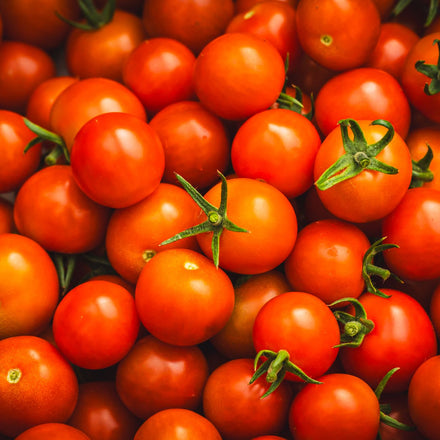
Tomatoes are picked when they are at the turning stage, when their color has changed over the entire surface but the skin remains taut. They finish ripening on a countertop at room temperature, never in the refrigerator. Zucchini should be picked young, around 15 to 20 cm, before the seeds harden inside.

Eggplant is ripe when the skin is shiny and a light finger pressure leaves an indentation that slowly disappears. Basil leaves are picked one by one, pinching just above a pair of young shoots, which encourages branching.

The right approach is to harvest in the morning, just after the dew and before the heat, to preserve volatile aromas. To support production at the same time, Olla irrigation regulates soil moisture.

The ratatouille, a garden classic

Ratatouille remains the queen of recipes for using up a loaded summer basket. It accommodates all sun-drenched vegetables in flexible proportions, making it the go-to dish when you're overwhelmed with accumulating zucchini and tomatoes.

The secret lies in separate cooking. Eggplants, zucchini, peppers, and then tomatoes are individually pan-fried before being assembled in a pot to simmer gently for thirty minutes. This method preserves textures and concentrates flavors.

Basil is added only at the end, off the heat, to preserve its essential oils. A drizzle of quality olive oil, a pinch of salt, a crushed raw garlic clove, and the dish stands on its own.

Ratatouille freezes perfectly in portions, or can be canned in sterilized jars for one hour at 100 °C, to open a jar of sunshine in the heart of winter. To grow the right vegetables at the right time, see what to plant throughout the seasons.

Tian provençal, complete dish

Tian is ratatouille's more elegant, quicker cousin. No separate cooking, no constant stirring, just thinly sliced rounds neatly arranged that make the dish as beautiful as it is delicious.

Alternating slices of eggplant, zucchini, and tomato of the same diameter are carefully arranged tightly in an oiled gratin dish. A few crushed garlic cloves at the bottom, fresh thyme, salt, a drizzle of olive oil, and it all goes into the oven at 180 °C for 50 to 60 minutes.

The secret lies in 3mm thick slices, packed tightly upright in the dish. This ensures even cooking, without excess water, and slightly caramelized edges.

Tian can be eaten hot, warm, or cold for a picnic, accompanied by mozzarella, a soft-boiled egg, or simply a crust of bread rubbed with garlic. A Provençal classic that succeeds every time.

Pesto, basil's green gold

Pesto remains the best way to transform a massive surplus of basil into an aromatic concentrate that can be used all year round. The traditional Genoese recipe combines fresh basil leaves, pine nuts, garlic, grated Parmesan cheese, Pecorino cheese, olive oil, and a pinch of coarse salt. Everything is ground in a mortar or pulsed in a blender so as not to heat the basil.

Count about 50 g of fresh leaves, 30 g of pine nuts, one clove of garlic, 40 g of Parmesan, and 100 ml of olive oil for a 200 ml jar. Pesto can be stored for about ten days in the refrigerator, covered with a layer of oil, or for several months in the freezer, for example in ice cube trays for individual portions to be thawed on demand.

The variations are well worth exploring. Rocket pesto with walnuts for a spicier taste, carrot top or radish top pesto to waste nothing from the garden, mint and almond pesto to accompany grilled zucchini. The basic structure remains the same: herbs or tender leaves plus nuts plus oil plus a touch of acidity or umami. For abundant aromatics all year round, see our selection of the 15 essential plants to grow in aquaponics.

Homemade dried tomatoes

Homemade sun-dried tomatoes concentrate flavors and sugars into a ready-to-use format all year round. Well-prepared, they are far superior to industrial versions, which are often too salty and too oily.

Choose very ripe and rather firm tomatoes, such as Roma. Cut them in half lengthwise, lightly salt them, and place them on a rack with the cut side up. Bake them in the oven at 80 °C with a convection fan, door slightly ajar, for 6 to 10 hours depending on their size. A dehydrator does the same job at 60 °C for 12 to 24 hours.

Once dry but still pliable, they can be stored for six months in an airtight jar in a dry place. For longer preservation, cover them with olive oil, garlic, thyme, and rosemary. The jar then becomes a flavor reserve ready to enrich pasta, salads, focaccias, and toasts.

Tip: the flavored oil from the jar itself absorbs the aromas of the tomatoes. It can be reused in a vinaigrette to transform a simple salad into a memorable summer dish.

Carpaccio and veggie tartare

Summer vegetables lend themselves beautifully to raw, fresh, and quick preparations. Zucchini or tomato carpaccio and tartare break away from the usual casseroles and oven dishes to celebrate the pure essence of the ingredients.

For zucchini carpaccio, choose very young and firm zucchini. Slice them thinly with a mandoline to 1 mm thickness, arrange them in a rosette, drizzle with olive oil, lemon juice, and fleur de sel, then sprinkle with parmesan shavings, lemon zest, and chopped mint.

Tomato tartare follows the same spirit. Dice tomatoes of various colors into very small pieces, mix with chopped shallots, chives, olive oil, and a dash of white balsamic vinegar. Let it rest in the refrigerator for twenty minutes.

These preparations are best made at the last minute, just before serving. Fifteen minutes are enough for a refined dish that highlights vegetables that heat would otherwise make ordinary.

Fresh salads, express ideas

A mixed salad is as good as a stew when the ingredients come straight from the garden. The freshness of freshly cut leaves, the crunch of just-picked cucumbers, and the intense aroma of herbs from the vegetable patch need no embellishment.

The base takes three minutes to assemble. A mixture of young leaves – lettuce, arugula, lamb's lettuce, or spinach – complemented by cherry tomatoes cut in half, thin slices of cucumber, and some fresh herbs.

The dressing deserves a few seconds of attention. One part quality vinegar to three parts olive oil, a hint of mustard, salt, pepper, and possibly a spoon of honey to soften. Whisk it with a fork in the salad bowl just before adding the leaves.

To spice things up, add edible flowers such as nasturtium or borage, toasted seeds, crumbled fresh cheese, or dried fruit. All this transforms a simple salad into a memorable dish.

Cold Soups and Gaspachos

When the thermometer rises, soup doesn't disappear, it simply chills out. Gazpacho and its cousins open up a whole family of raw, vibrant, and refreshing soups that make the most of garden surpluses without any cooking.

Traditional gazpacho is blended from very ripe tomatoes, cucumber, red bell pepper, sweet onion, garlic, breadcrumbs, Sherry vinegar, and olive oil. Two hours of chilling allow the flavors to meld, then it's strained for a velvety texture. Serve chilled.

Cucumber offers a milder variation, blended with Greek yogurt, garlic, mint, and a squeeze of lemon, in the spirit of Bulgarian tarator. Watermelon combined with tomato creates a surprising and refreshing pink gazpacho.

The Basics of Home Preservation

Beyond recipes, the true victory of a productive summer lies in the ability to extend harvests long after the last basil leaf. Four techniques cover most household needs.

Sterilization at 100 °C in jars with rubber seals remains the king of methods for tomato sauces, ratatouille, soups, and jams. Allow one hour of full boiling for low-acid vegetables, thirty minutes for sweet fruits. Check the seal and airtightness after cooling to confirm it's set.

Freezing preserves delicate textures. Blanch zucchini for three minutes, green beans, chopped herbs, pesto in ice cube trays, and spread berries flat on a tray before bagging to prevent them from sticking together.

Drying is suitable for herbs, flowers, and certain vegetables like tomatoes or zucchini chips. Finally, lacto-fermentation, ancient and cooking-free, generates its own natural preservatives and provides a valuable probiotic boost for gut flora.

Pickles and lacto-fermentation

Quick pickling and lacto-fermentation look visually similar but are based on opposing principles. Understanding the difference avoids surprises and opens up a huge playing field.

Vinegar pickles are prepared in thirty minutes. Bring a mixture of water, vinegar, and sugar in 2-1-1 proportions to a simmer, with salt, pepper, bay leaf, and spices of your choice. Pour boiling hot over raw vegetables already placed in a jar, close, and wait at least three days. It keeps for several months in the refrigerator.

Lacto-fermentation transforms sugars into lactic acid using bacteria naturally present on vegetables. A simple brine, 30 g of salt per liter of water, is sufficient. The vegetables remain submerged under a weight and ferment at room temperature for 5 to 10 days, then stabilize in the refrigerator.

Lacto-fermented cucumbers, tangy cabbage, carrot sticks, pink radishes, or cauliflower with turmeric offer a palette of crunchy, lively, probiotic-rich jars.

Preserve herbs without loss

Herbs are the number one source of waste in a kitchen garden. Bought in bunches or picked in abundance, they wilt in two days in the vegetable drawer. Three household methods solve the problem.

The first involves chopping fine herbs such as basil, parsley, chives, or cilantro, filling silicone ice cube trays with them, then topping up with olive oil or a little water before freezing. Each cube becomes a ready-to-use dose to add to a hot dish.

Drying is suitable for hardy herbs like thyme, rosemary, oregano, bay leaf, or savory. Hang them in small bunches, upside down, in a dry, dark, and airy place for two to three weeks, then crumble the leaves into airtight jars.

Finally, herbal salt, an equal parts mixture of chopped leaves and coarse salt, preserves color and aroma for six months when kept cool. One spoonful is enough to flavor a salad or grilled fish.
From garden to plate, with nothing wasted

Growing your own vegetable garden also means knowing how to do it justice in the kitchen. Every harvest tells a story of a season, an effort, an anticipation that deserves more than just ending up in the compost bin. Between everyday recipes, strategic canning, and fermentation techniques, summer offers an endless playground for making the most of what the earth provides.

The goal isn't to become a Michelin-starred chef, but to attune yourself to the garden's rhythm, cook what's ready quickly, and preserve what grows in abundance. A few well-filled jars in September, some portions of frozen pesto, and a cupboard of dried herbs are enough to extend the taste of sunshine far beyond November. The rest will come with practice and the pleasure of rediscovering the same obvious joy every year.