Common Mistakes in Aquaponics

Written by Tristan Ulrich · August 22, 2025
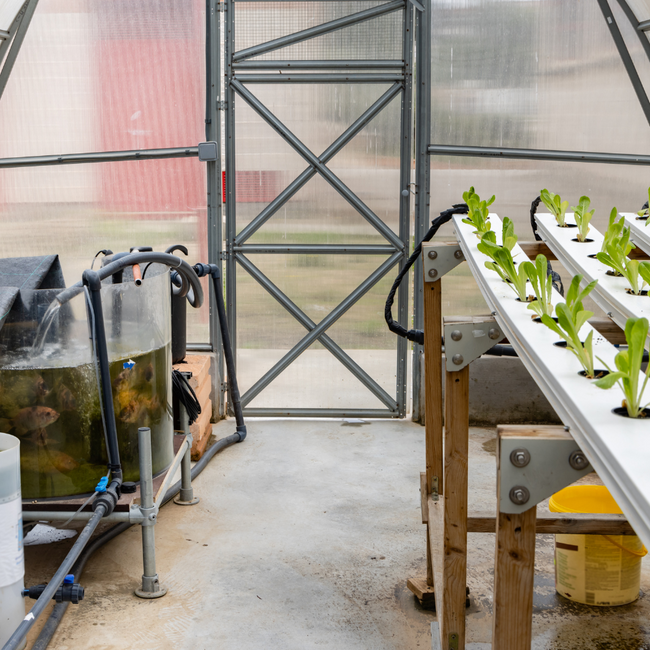
Système aquaponique domestique en cours de réglage
Aquaponics is attracting more and more urban gardeners, ecology enthusiasts, and lovers of innovative home gardens. This sustainable growing method, which combines fish farming and plant cultivation in a closed-loop system, promises both food self-sufficiency and water savings. However, whether you are a beginner or already experienced, it is easy to make common mistakes in aquaponics. To ensure the success of your setup and avoid disappointment, here are the key mistakes to avoid when starting your aquaponics project at home.
In domestic aquaponics : beware of common mistakes

Aquaponics is attracting more and more people passionate about sustainable gardening and food self-sufficiency. This ingenious system, which combines fish farming and plant cultivation in a closed system and allows you to produce vegetables and herbs while saving water, seems simple to master. However, even experienced aquaponics enthusiasts can make certain common mistakes that compromise the proper functioning of their system. Discover the main mistakes to avoid for successful home aquaponics.

Sizing your aquaponic system incorrectly

Improperly sizing your aquaponic system

Sizing is the first essential step in aquaponics : volume of the fish tank, cultivation surface, filtration capacity, etc. A system that is too small quickly saturates with waste, while an oversized system becomes difficult to balance and maintain.

Take the time to carefully assess your needs : number of fish, types of plants, available space, production targets. Also consider space for maintenance and the possibility of upgrading your installation over time.

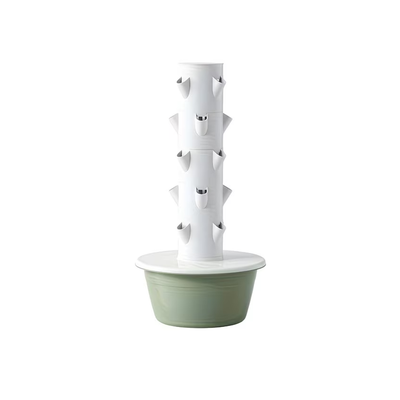
If this step seems complex, don't panic ! We've selected a range of pre-sized aquaponics kits for you, suitable for all projects and skill levels. Each kit is designed to ensure proper balance and ease of use, even for beginners. Simply click here to explore our selection and choose the kit that's right for you.

Neglecting the nitrogen cycle Easy-Start Bacterial Activator

Neglecting the nitrogen cycle

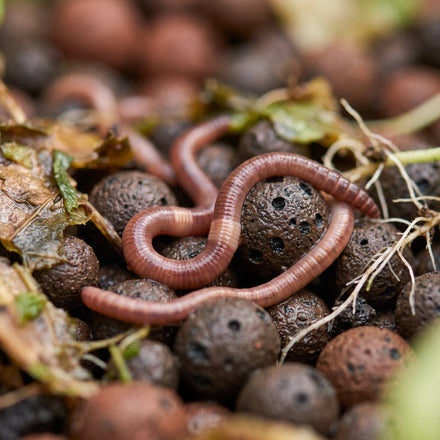
The nitrogen cycle is the heart of any aquaponics system : it transforms fish waste into nutrients that plants can absorb, thanks to the action of beneficial bacteria. Many aquaponic growers make the mistake of introducing fish too early, before these bacteria have had time to establish themselves.

The result : spikes in ammonia and nitrites that put both fish and plants at risk, and can destabilize the entire ecosystem. To avoid this, it is essential to start the nitrogen cycle beforehand (for 3 to 6 weeks) and to regularly monitor the water parameters. This step ensures the long-term stability and health of your aquaponics setup.

Overstocking the fish tank

Overload the tank with fish

It is tempting to add a lot of fish to accelerate plant growth, but too high a density leads to a build-up of waste and throws the system out of balance. This can cause a rapid decline in water quality, stress for the fish, and an outbreak of algae or disease. It is therefore essential to respect the recommended ratio between fish and plants, and to start with a low stocking density. You can increase it gradually as your setup matures and your experience grows.

Finally, test for ammonia, nitrite, and nitrate every week so you can respond quickly
if values drift (a nitrite spike, excessive nitrate accumulation).

Choosing unsuitable species Reine de Mai lettuce seeds

Choosing unsuitable species

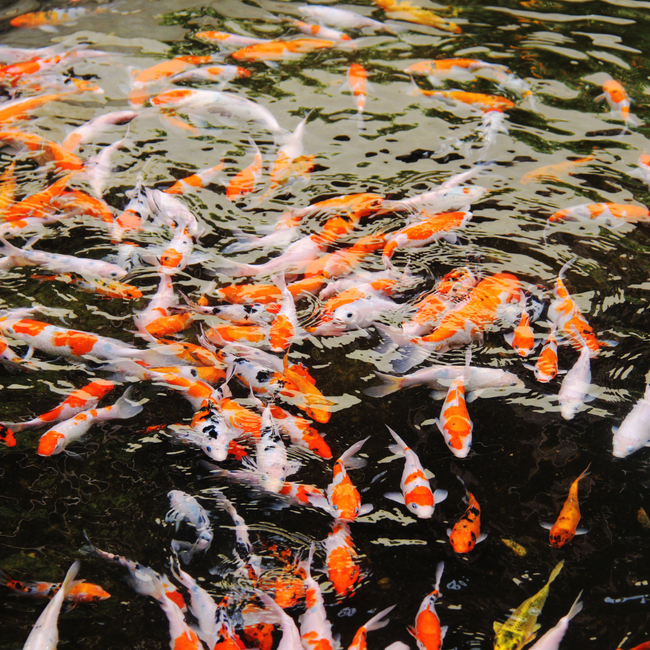
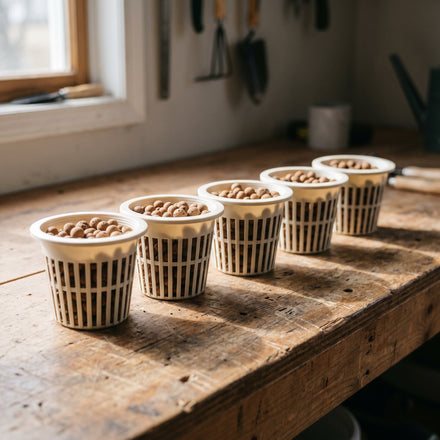
Not all plants and fish are suitable for aquaponics. It is better to choose robust and easy-to-grow species, such as lettuces, aromatic herbs, strawberries, tomatoes, or fish such as carp or goldfish. Fragile or exotic species often require specific conditions and can destabilize the system, especially for beginners. It is also important to check the compatibility of the chosen species, particularly in terms of water temperature and pH tolerance.

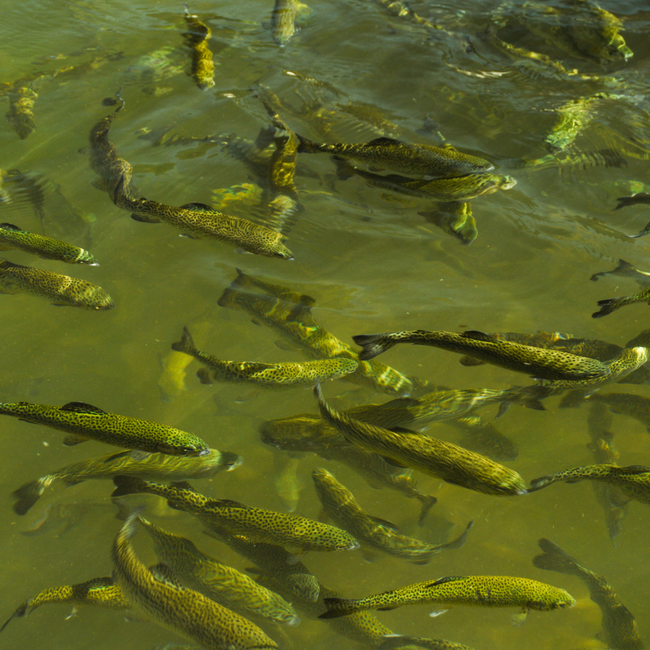
For a first experience, avoid fish like trout, which are common in aquaponics but do not tolerate temperature fluctuations or summer heat well. There are many other interesting options for setting up a successful aquaponics system.

Forgetting to monitor water parameters Essential Pack : Aquaponics water analysis (NH4, NO2, NO3, pH, KH)

Forgetting to check water parameters

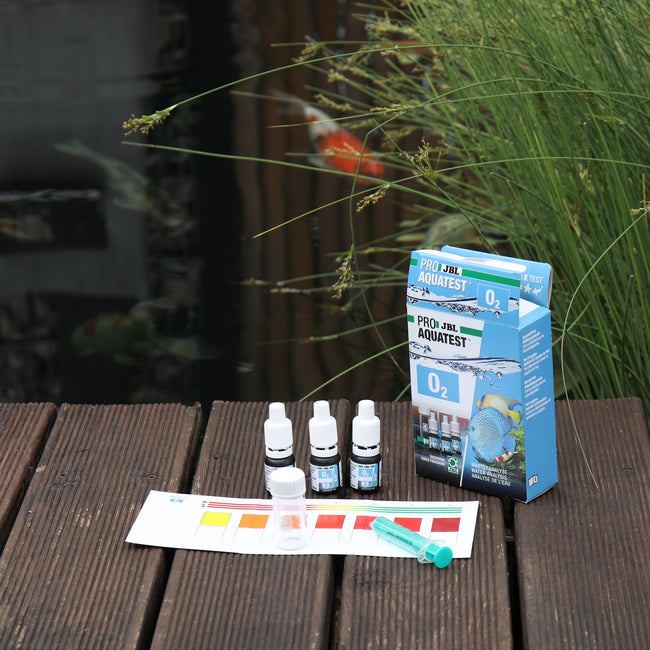
Monitoring water parameters (pH, temperature, nitrites, nitrates) is essential for the health of your system. An imbalance can cause stress in fish, slow plant growth, or promote the appearance of algae and disease. It is therefore important to have appropriate tests and regularly record the results to anticipate any problems. Monitoring this data helps maintain a healthy environment for all organisms in the system.

Neglecting oxygenation OXYBOOST 100 & 200 PLUS Aerator

Neglecting oxygenation

Oxygen is vital for the fish, plants, and bacteria in the filter. A lack of oxygen can quickly harm the entire system, especially during hot weather or if the water is not properly circulated. Installing an air pump or diffuser helps ensure proper oxygenation, and care must be taken to ensure good water circulation throughout the system. This promotes fish vitality and plant growth, while maintaining the efficiency of the biological cycle.

Neglecting regular system maintenance

Neglecting regular system maintenance

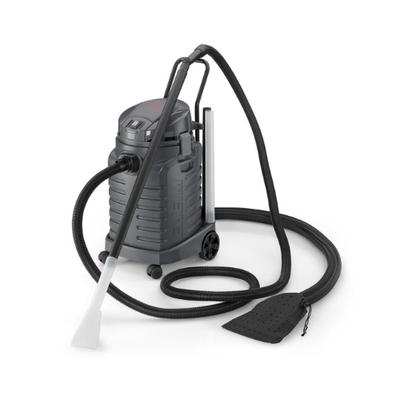
Regular maintenance is key to a sustainable aquaponics system : cleaning filters, checking pumps, monitoring plants and fish, etc. Set aside time each week to inspect your entire system and take prompt action if any issues arise. This helps prevent waste buildup and buildup in pipes or tanks, and ensures the longevity of your equipment. A well-maintained system remains efficient, productive, and enjoyable to use year-round.

Conclusion: fewer mistakes, more harvests

In aquaponics, experience is built step by step, and every mistake is an opportunity to learn. By knowing from the outset which common pitfalls to avoid and by applying these tips and best practices, you increase your chances of success. Do keep a logbook to monitor your system, engage with the aquaponics community, and continue learning as you go.

With time, observation, and careful adjustment, your aquaponic system will find its balance and reward you with fine vegetable harvests while keeping your fish in good health. So take the plunge into aquaponics with confidence — sidestep these pitfalls and your fish and plants alike will thank you for it!

Sources

Oklahoma State University Extension, Nitrification and Maintenance in Media Bed Aquaponics, Ammonia and nitrate thresholds to monitor and routine maintenance of the growing bed.

New Mexico State University, Aquaponics, Circular 680, Dissolved oxygen threshold and temperature ranges to maintain for the species being raised.

UF/IFAS, A Practical Guide for Aquaponics as an Alternative Enterprise, HS1252, Fish stocking densities and feeding rates not to be exceeded.

Goddek et al., Challenges of Sustainable and Commercial Aquaponics, Sustainability, 2015, Phosphorus deficit in coupled systems and the compromise pH to maintain.

SMIDAP, programme OPRA 2, rapport final, Water consumption and actual operation of aquaponic installations in France.

Frequently asked questions

One full test per week is sufficient on a mature system, with more frequent pH checks since that's the first parameter to shift. Switch to testing every two days in four specific situations: after adding fish, after a treatment, after a pump failure, and during a heatwave. Record every reading — a series of measurements is worth infinitely more than a single isolated one.

Abundant nitrates do not mean a complete nutrient solution. Aquaponics structurally suffers from deficits in phosphorus and iron. Published measurements on coupled systems show phosphorus levels in the region of 1 to 17 mg/L, compared with 40 to 60 mg/L in a standard hydroponic solution, with a large proportion of the phosphorus supplied by the feed leaving with the filtered sludge.

The second factor is pH. Above 7.0, iron precipitates and becomes unavailable, which produces exactly the picture observed: young leaves turning yellow while their veins remain green, on plants that are otherwise well supplied with nitrogen.

Before adding anything, measure the pH and bring it gently down towards 6.8. If the chlorosis persists, an iron chelate suited to aquaponics remains the most common supplement — dose it carefully, because everything you add ends up in the fish pond.

Yes, healthy adult fish can go without food for a week without any harm. The real holiday risk is not hunger — it's a pump failure that nobody notices.

Hot weather is when every safety margin disappears, because warm water holds less oxygen at the very moment fish and bacteria are consuming the most. The most common mistakes are:

  • feeding normally, when rations should be sharply reduced;
  • switching off the air stone at night, when dissolved oxygen must stay above 5 mg/L;
  • leaving the pond in full sun with no shading or light-coloured cover;
  • doing a large cold-water change in the middle of the day, adding thermal shock on top of everything else.

A simple shade cloth and increased aeration will resolve most of the problem.

Never all at once, and never with an aquarium product designed to drop the pH rapidly. Sudden swings stress fish far more than the value itself. Aim for a drop of no more than two or three tenths per day, acting on alkalinity rather than pH alone, and re-measure the following day at the same time. Above all, check the root cause — a calcareous grow medium or very hard top-up water will keep pushing the pH back up until you change them.

No, and this is a fundamental difference from fishkeeping. The plants take the place of water changes by continuously consuming nitrates, which explains the low water consumption recorded on monitored systems in France. Top-ups are therefore limited to replacing evaporation losses. A partial water change remains an emergency tool — to bring down a nitrite spike or dilute after a die-off — not a routine maintenance task.

Read next

Growing lotus in aquaponics

Growing lotus in aquaponics

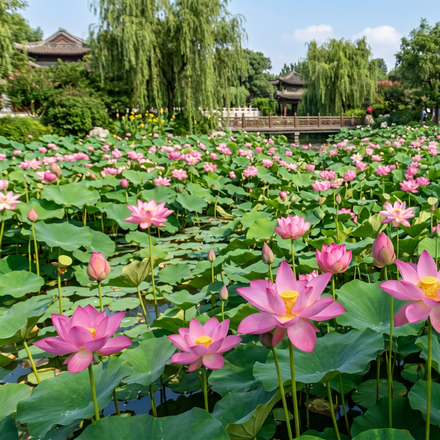
The lotus is an aquatic plant whose flowers are emblematic of the most beautiful ornamental ponds. In aquaponics, in an ornamental system (a pond with goldfish or koi carp) that does not need to

Read the article
Aquaponics and Summer Holidays

Aquaponics and Summer Holidays

You're going away for two weeks in July and your aquaponics system will be running without you : this thought rightly makes you anxious, because heatwaves, evaporation, and fish feeding raise practical questions. Good

Read the article
Recognizing deficiencies in aquaponics

Recognizing deficiencies in aquaponics

In aquaponics, plants can show signs of weakness even when the system appears balanced. Pale leaves, slowed growth, or deformities are often linked to subtle yet critical micro-deficiencies. These deficiencies involve essential elements such

Read the article
A practical calendar for success in aquaponics

A practical calendar for success in aquaponics

In aquaponics, the success of a season depends mainly on good upstream calendar management : periods of sowing, planting, ramp-up… and times when it is better not to intervene. Unlike a traditional vegetable garden,

Read the article
Controlling pests in aquaponics

Controlling pests in aquaponics

Aquaponics has a reputation for being a clean, ecological, and naturally protective method of cultivation. However, like any living system, it can be affected by pests : aphids, gnats, mites, invasive algae, or unwanted

Read the article
Plant deficiencies in aquaponics

Plant deficiencies in aquaponics

Aquaponics relies on a precise balance between fish, plants and bacteria. When that balance is disrupted, plants can quickly show signs of nutritional deficiencies, even in a system that appears stable. Understanding the cause

Read the article