What fertilizer should I use in aquaponics ?

28 September 2025
Quel engrais utiliser en aquaponie ?

In aquaponics, fish and bacteria provide many of the nutrients plants need. However, some nutrients can sometimes be lacking. Adding the right fertilizers then becomes essential to maintain a healthy balance. But what products can be used without harming the fish or disrupting the ecosystem ?

The Importance of Using Natural Fertilizers in Aquaponics

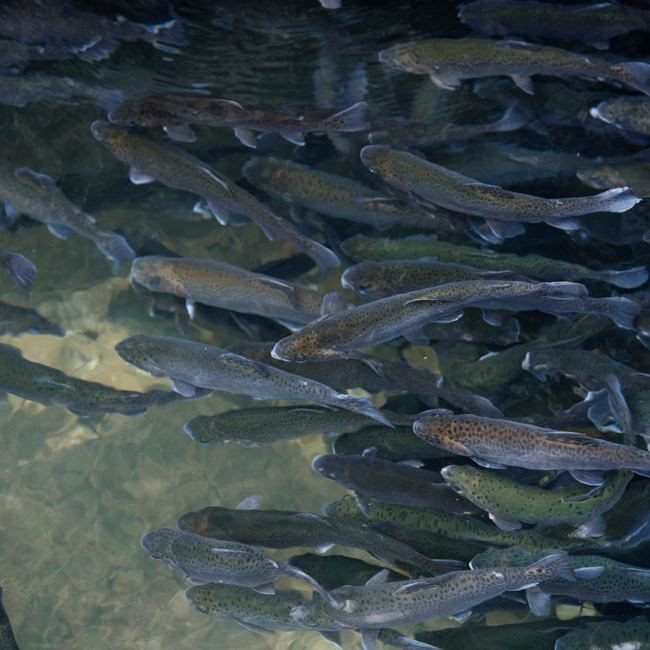
In aquaponics, fish produce waste that, transformed by microorganisms, becomes nutrients that can be assimilated by plants. These, in turn, filter and purify the water for the fish. This ingenious system is often sufficient to ensure good fertility. However, certain elements become lacking or inaccessible. A deficiency in iron, potassium, calcium, or magnesium can quickly slow plant growth and compromise the overall balance. This is when the addition of suitable fertilizers becomes necessary. Unlike in traditional gardening, it is not a matter of fertilizing abundantly, but of correcting with precision and moderation.

The role of fertilizers in aquaponics

In aquaponics, fertilizers are supplements, not mass fertilization solutions. The goal is never to directly feed the plants as one would with conventional fertilizers, but to fill specific deficiencies that harm the system's balance. Each addition must be thought of as a fine correction, carried out with caution, because the slightest error has repercussions on the fish and the bacterial colony. In this context, fertilizer becomes a management tool, allowing productivity to be optimized while preserving the ecosystem.

Chelated iron : essential against chlorosis

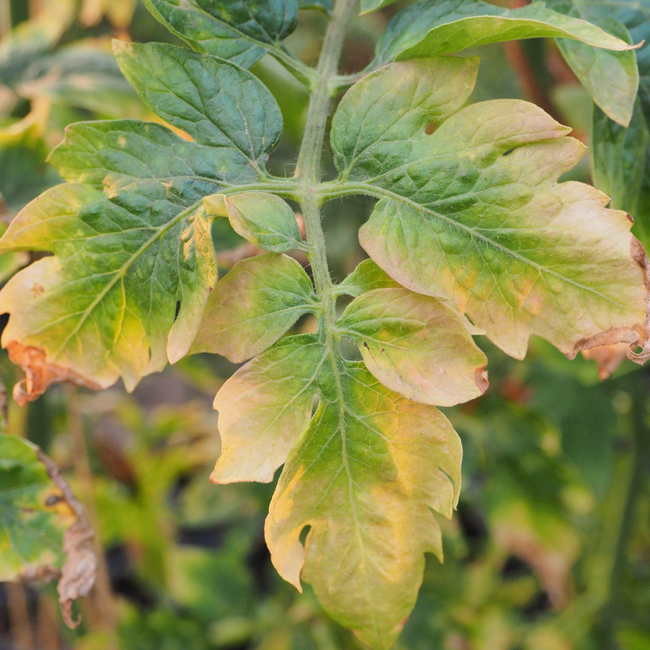
Iron is probably the most problematic nutrient in aquaponics. Often present, it quickly becomes unavailable when the pH exceeds 7. The plants then show typical symptoms of iron chlorosis : young leaves turn yellow but retain green veins. To correct this, chelated iron is used. EDDHA iron 6% is the most stable even at high pH (up to 9) and remains effective in basic soils or solutions, but it strongly colors the water and contains less active iron. EDTA iron 13% is the most concentrated and economical, but it only works well at pH below 6.5. DTPA iron 11% offers an ideal compromise: it remains stable down to neutral pH, does not alter the water color, and is ideal for aquaponic systems. A few grams are generally enough to restart growth and restore vigorous foliage. Chelated iron is therefore an essential ally, which it is wise to always have available.

Potassium : the key to resistance and fruiting

Without potassium, plants become fragile, flowering is reduced, and fruit develops poorly. The most visible symptoms are dried leaf edges and brittle stems. To remedy this, aquaponics generally uses potassium bicarbonate, which has the advantage of also regulating pH, or potassium sulfate, which is very effective and easily assimilated. Patentkali is also an interesting option, as it combines potassium and magnesium, a duo particularly appreciated by fruit plants. These contributions must be made with care, because an excess of potassium can hinder the absorption of other nutrients.

Calcium and magnesium : an essential duo

Calcium is essential for plant structure and fruit health. Its deficiency causes deformed leaves and the famous blossom-end rot on tomatoes or peppers. Magnesium, at the heart of chlorophyll, is just as vital : its deficiency manifests itself by yellowing between the veins of old leaves. To correct these deficiencies, calcium carbonate or calcium hydroxide, which also remineralize water, and magnesium sulfate , better known as Epsom salt, are generally used. In the right doses, these contributions rebalance the system and quickly restore vigor to crops.

Natural fertilizers and organic supplements

Beyond mineral inputs, certain natural fertilizers can usefully complement an aquaponic system. Marine guano , rich in phosphorus, stimulates flowering and fruiting. Seaweed extracts, rich in trace elements and natural stimulators, strengthen plant resistance. Liquid organic fertilizers can also occasionally support growth. However, their use must be measured, as excess organic matter risks saturating biological filtration. These products therefore have their place as occasional "boosts," and not as a base for fertilization.

Microelements : Details that matter

While we often talk about iron, potassium, calcium, and magnesium, we must not forget about trace elements : zinc, boron, manganese, copper, etc. These nutrients, required in very small quantities, play a crucial role in the overall health of plants. Their absence sometimes leads to subtle symptoms that are difficult to identify, but which ultimately reduce productivity. To avoid these invisible deficiencies, some producers occasionally add trace element solutions adapted to aquaponics, or opt for natural extracts (seaweed, liquid compost). These micro-supplements complement the work of the fish and ensure balanced growth.

Conventional fertilizers to absolutely avoid

In aquaponics, not all fertilizers are suitable. Chemical fertilizers rich in nitrates or phosphates, which are very common in conventional agriculture, risk seriously unbalancing the water and endangering the fish. Products that are too concentrated or dissolve too quickly should be avoided, as should fertilizers containing heavy metals or chemical additives. The rule is simple : use only aquaponics-compatible products that are natural or specially formulated to be harmless in a living system.

The Importance of Water Monitoring and Testing

Before adding any fertilizer, it's essential to understand the system's condition. Monitoring pH, conductivity, and water hardness is essential. Regular testing allows you to anticipate deficiencies and adjust your input accurately. It's also a way to ensure that the added supplements aren't disrupting your fish. A good practice is to keep a logbook, noting each addition and its visible effects on your plants. Over time, this monitoring becomes a valuable basis for better understanding your system and avoiding mistakes.

Good practices for using fertilizers

The key to using fertilizers in aquaponics can be summed up in two words : moderation and observation. It's better to split the inputs and introduce them gradually rather than adding a massive dose that would upset the balance. After each addition, you must carefully observe the plants and also monitor the system's reaction (water, fish, bacteria). Aquaponics-compatible fertilizers are designed to limit risks, but their effectiveness depends on careful management.

In conclusion

Using fertilizers in aquaponics isn't an admission of failure, but a natural step in managing a complex system. Fish and bacteria provide the essentials, but some nutrients require targeted supplements. Chelated iron, potassium, calcium, magnesium, trace elements, and even marine guano are all suitable solutions, provided they are used wisely. Aquaponics, more than a growing method, is a lifelong learning process : one of balance. By observing your plants, monitoring your parameters, and choosing compatible products, you'll turn each adjustment into an opportunity to strengthen your system's stability and improve its productivity.