This is the only genuinely life-threatening scenario during a summer absence. Without a pump or airstone, the dissolved oxygen in warm, heavily stocked water can drop below the comfort threshold within just a few hours, and the figure commonly cited as the safety floor is around 5 mg/L. The actual time available depends on the biomass, the water temperature, and how much food was fed the day before.
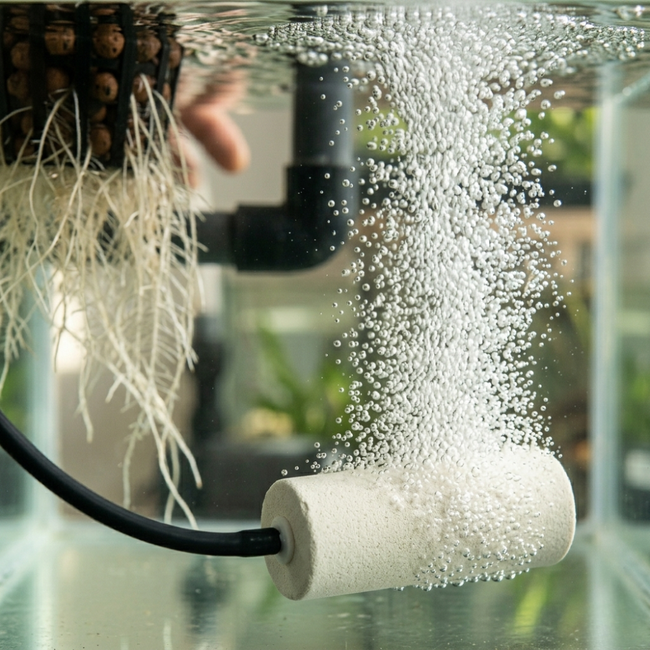
Three safeguards work well in combination. A battery or solar-powered backup for a small air pump, a smart plug that sends you an alert when the power goes off or comes back on, and a neighbour who can recognise the sound of the pump running. That last point matters more than people realise, because a primed pump that has lost its prime will still make noise without actually moving any water.
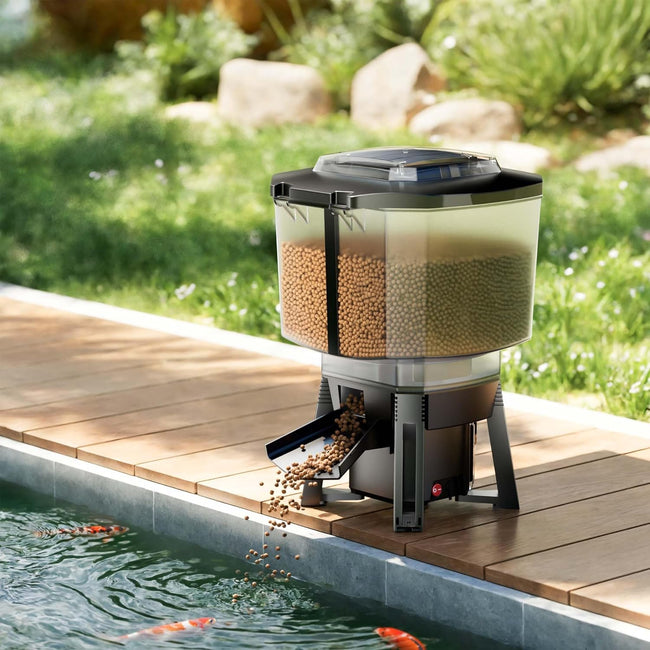
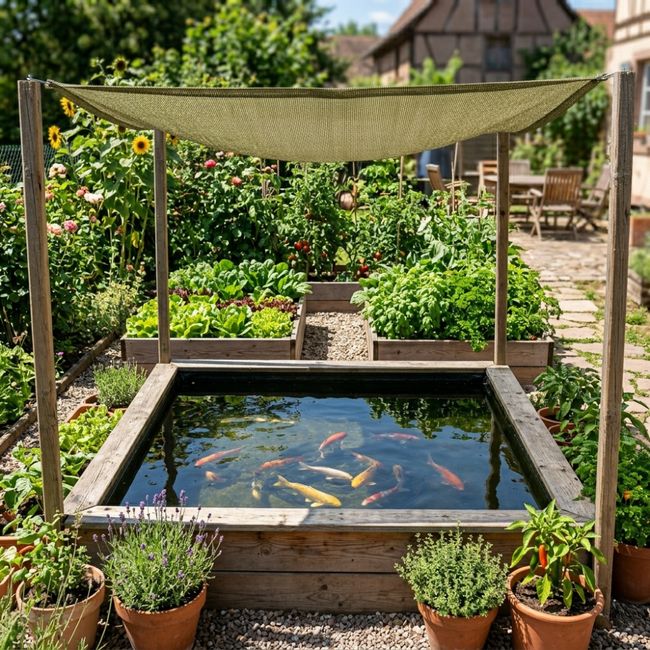
Reduce the risk upstream as well. Cutting back on feeding in the days before you leave, providing adequate shade, and keeping stocking density moderate all lower the system's oxygen consumption, thereby extending the time it can cope without electricity.