A practical calendar for success in aquaponics

17 January 2026
Calendrier pratique pour réussir en aquaponie

In aquaponics, the success of a season depends mainly on good upstream calendar management : periods of sowing, planting, ramp-up… and times when it is better not to intervene.

Unlike a traditional vegetable garden, aquaponics operates in a closed loop, where water, fish, plants, and bacteria are closely interconnected. Every decision directly influences the overall balance of the system.

Why is the calendar different in aquaponics ?


In aquaponics, plant and fish growth depends directly on a significant number of invisible but essential parameters : water temperature, bacterial activity, oxygenation, and filtration capacity. Two systems located in the same region can therefore develop at very different rates, depending on their maturity or the level of organization of the aquaponic system.

An effective aquaponics calendar doesn't just tell you "what to plant." Its main purpose is to avoid biological spikes : waste, unassimilated nutrients, and oxygen consumption. Proper timing allows for a gradual ramp-up, which secures the entire system and makes production much more consistent over time.

This month-by-month aquaponics calendar, from February to October, has a simple objective : to help you progress at the right pace, according to the biology of the system, and not a simple sowing calendar.

The 4 signals to check before accelerating

The water must remain clear and stable over time. Water that becomes cloudy after each intervention is a warning signal : either mechanical filtration is insufficient, or particles are being introduced into the system.

Nitrite levels must remain at zero. Their appearance indicates that the biofilter is no longer able to handle the current load. Fish should display normal behavior and a consistent appetite. A loss of appetite or gasping at the surface often signals an oxygen deficiency or a water quality issue.

Finally, plants should show continuous growth, even if moderate. Prolonged stagnation or pale leaves generally indicate unsuitable conditions (temperature, pH, oxygen).

January : Preparing for the recovery

January is the month of invisible preparation. The system is still running at a slow pace, but anticipation for the coming season begins.

It is the right time to check the core parameters, service or repair equipment if needed, and plan upcoming sowings. A few seedlings can be started outside the system toward the end of the month, allowing February to be approached with a head start, without rushing the restart.

February : Prepare and relaunch

February is the month for intelligent restarting. The system often comes out of a period of inactivity : the biofilter is less active, deposits have accumulated, and circulation may be uneven.

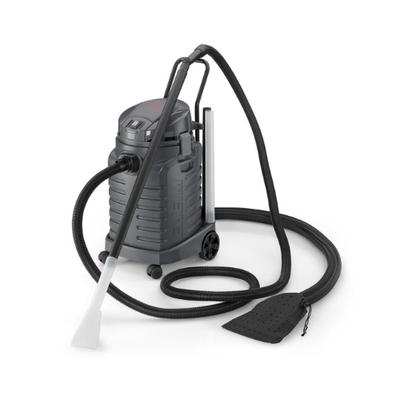
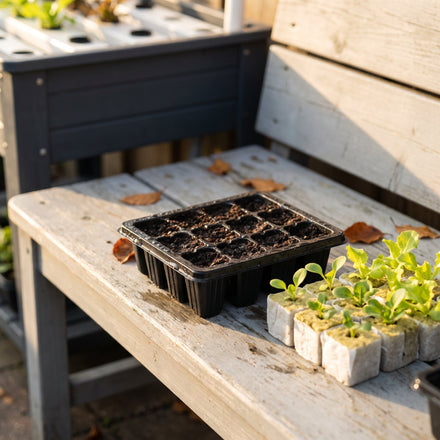
When it comes to plants, we favor off-system sowing : easy-to-grow leafy vegetables and herbs. This allows us to produce uniform plants without putting too much strain on the filtration system. From a technical standpoint, now is a good time to check the circulation, lightly clean the mechanical filtration, and ensure that oxygenation is sufficient.

What you should avoid in February : accelerating feeding or planting directly into the system thinking you're "starting the season." In aquaponics, forcing the start almost always has negative consequences later on.

March : A gentle start

March marks the beginning of the first transplanting, but always gradually. Planting is done in small waves to observe the reaction of the water and the biofilter after each addition.

The best crops are those with a short growing cycle : lettuce, arugula, and baby greens. They quickly consume nutrients and stabilize the ecosystem. At the same time, summer crops can be started using indoor sowing methods, but remain outside the system.

It is often in March that the first water problems appear. Effective mechanical filtration, maintained at this stage, prevents many of the problems that occur in the spring.

April : Structuring production

April is a key month for establishing stability. Light levels increase, temperatures become more consistent, and the system’s biological activity intensifies.

You can gradually increase the density of leafy greens, introduce more herbs, and begin organizing space for larger crops. This is also the right time to monitor pH trends closely : an unsuitable pH can block the uptake of certain nutrients even when the system appears to be functioning correctly.

To avoid : stacking several major changes within a short period. In aquaponics, imbalances are often caused by the accumulation of actions carried out too quickly.

May : Switching to gourmet crops

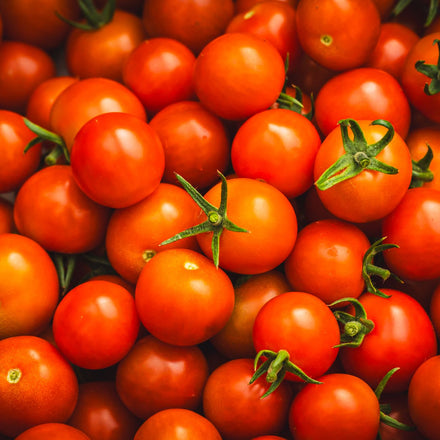
May is the month of transition. If the system is stable, you can begin integrating more demanding plants such as tomatoes, cucumbers, or basil.

The key is gradual progression. Each nutrient-hungry crop increases overall demand. Maintaining a rotating base of leafy greens helps absorb fluctuations and protects the system’s overall balance.

Uniform water circulation and clean mechanical filtration become essential to prevent waste accumulation.

June : Produce without creating imbalances

In June, the system can enter full operation. Plants grow rapidly, fish are active, and nitrification is efficient.

The main risks are excessive plant density and overfeeding of fish. Too much vegetation creates poorly ventilated, humid areas that favor pests and diseases. Regular harvesting not only increases yields but also helps stabilize nutrient consumption.

Maintenance should remain light but consistent : frequent small actions are far preferable to a late, major cleanup.

July : Managing the heat

July is often the most technically demanding month. Warm water holds less oxygen, while fish and bacteria consume more of it.

Priority must be given to oxygenation, water circulation, and protecting the system from direct light exposure. Algae growth and fish stress almost always appear when these factors are neglected. It is also important to avoid overfeeding the fish. Installing a ventilation system is likewise essential during this season.

August : Maintaining stability

August is a month of continuity and anticipation. The system has already produced a lot and may show signs of fatigue if maintenance is irregular.

It's also an excellent time to start sowing leafy vegetables and herbs for autumn. This early planting helps avoid a production gap in September.

September : Rebalancing

September is often compared to a second spring. Temperatures are milder, the system is still warm, and short-cycle crops perform very well again.

It is the ideal time to rebalance after summer : gradually reduce nutrient-demanding crops, strengthen short rotations, and stabilize the system before autumn.

Care must be taken not to remove plant biomass too abruptly, as this may trigger a rise in nitrate levels.

October : Slowing down intelligently

In October, the goal is to slow down without disrupting the balance. Cool nights slow down the fish and the biofilter, but the system can remain productive with suitable crops.

The transition must be gradual : no sudden reduction in feeding, no complete cessation of planting, no aggressive weeding. A system that is well supported in October will overwinter with much greater stability.

November : Entering maintenance mode

In November, the system slows down significantly. Reduced light and lower temperatures decrease the activity of both plants and the biofilter. The objective is to maintain stability rather than maximize production.

Plant density and fish feeding should be gradually reduced, adapting to the fishes’ actual appetite. This is also a good time to check water circulation and perform light cleaning of the mechanical filtration, without disturbing the biological core of the system.

December : Protect without intervening

December is a period of active monitoring. Plant growth is minimal, fish are calm, and the system operates at a reduced level.

The key is to observe water clarity, fish behavior, and overall stability, allowing the system to run quietly.

December is also the time to review the past year, draw conclusions, and, if necessary, plan adjustments to the aquaponic system for the year ahead.

Conclusion : Pace before speed

In aquaponics, success depends on timing. A well-understood schedule helps avoid imbalances, extend production periods, and significantly reduce technical problems.

Observing, progressing step by step and respecting the biological signals of the system are the keys to stable, productive and sustainable aquaponics.