



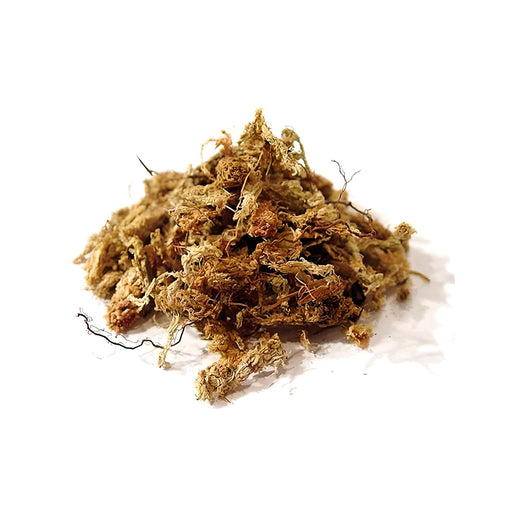

Light potting compost with perlite for seedlings and cuttings
Regular price
$11.00
Regular price
Sale price
$11.00
Unit price
/
per
| Volume | Price | Price per L | vs 20 L |
|---|---|---|---|
| 20 L | $11.00 | $0.55 | — |
| 50 L | $23.00 | $0.46 | −16 % |
| 90 L | $37.00 | $0.41 | −25 % |
BioBizz's Light-Mix combines sphagnum peat and perlite, with deliberately light fertilisation. It takes seedlings, cuttings and potted plants that you feed through watering, after 2 to 3 weeks. It comes in 20, 50 and 90 L bags.
 Customer support 7 days a week by email
 Delivery within 2 to 15 business days
100 % secure payment
The summary
- Ingredients: a compost of sphagnum peat and perlite, lightly fertilised.
- Uses: seedlings, cuttings and potted plants that you feed yourself.
- Start of feeding: the starter charge lasts about 2 to 3 weeks, after which fertiliser takes over.
- Acidity: a natural pH of about 6.2.
- Grow bed: for pots and seedlings in the neighbouring vegetable garden, not for the aquaponic system.
- Available sizes: 20 L for a few pots, 50 or 90 L for a balcony or a greenhouse.
Airy blend of peat and perlite, for seedlings, cuttings and pots
BioBizz's Light-Mix is a light potting compost of peat and perlite, lightly fertilised, for seedlings, cuttings and potted plants. Feeding is done through watering after 2 to 3 weeks, with Root-Juice and then Bio-Grow. Plants intended for an aquaponic grow bed are better started in stone wool, with Light-Mix kept for the vegetable garden.
A very rich compost feeds quickly, but it sets its own pace: its reserve is released regardless of the plant's stage, and a young root copes poorly with a high concentration of salts. BioBizz Light-Mix takes the opposite approach. Its fertilisation stays light, so your seedlings and cuttings get off to a smooth start, then feeding passes into your hands after 2 to 3 weeks. It is a compost for controlled growing, designed for those who prefer to dose their own fertiliser.
🫧 Perlite for aeration
The base of the mix is sphagnum peat, which retains water and gives the compost its softness. Perlite, a volcanic rock expanded by heat, adds small white grains that are light and incompressible. They keep pockets of air between the peat particles even after repeated watering, which lets the roots breathe and drains away excess water. The mix contains only ingredients of natural origin, with no synthetic mineral salts added, and its natural pH is around 6.2, in the range where most nutrients remain available. This careful drainage encourages rapid rooting, which is exactly what you want from a seedling or a cutting. If you would rather do without peat, Light-Mix Peat Free follows the same principle with renewable fibres.
Seedling
Fill the pot loosely without pressing the compost down, sow, then water with a fine spray.
Cuttings
Place the cutting in a prepared hole, close it up without crushing the stem and keep it moist.
Repotting
A well-formed plant moves into a larger pot filled with potting compost, then receives its fertiliser.
Reuse
Remove the dead roots, add fresh compost, moisten and leave to settle.
Add perlite for plants that dislike wet roots
Mediterranean herbs, such as thyme or rosemary, and succulents appreciate an even more free-draining mix. A portion of expanded perlite added to the Light-Mix lightens the root ball and speeds up drying after watering, which limits crown rot indoors. This way you keep a single bag of potting compost for the whole house, simply adjusting the proportion of perlite to suit the plant.
A potting compost, not for systems with circulating water
Light-Mix is a potting compost for watered pots. In an aquaponics or hydroponics bed where the water circulates continuously, the peat breaks down, clouds the water and clogs the pump. For these systems, clay pebbles or volcanic gravel, inert and stable, last over time.
🌱 Light fertilisation
The nutrient load of Light-Mix remains moderate, so its electrical conductivity, a reflection of its salt content, stays low. You can therefore fill large volumes with it, including for hungry plants, without overloading the compost or burning the roots. Fertiliser burn is quickly recognised, however, by yellowing leaves and dry, brittle tips: with this compost, it almost always comes from a fertiliser added too early or too strong, not from the mix itself. This restraint makes Light-Mix the base for crops where you want to decide every feed yourself, from the first watering to the harvest.
💧 Water first, then feed
For the first few weeks, clean water is enough, because the light fertilisation in the mix supports the plant as it settles in. After that, the plant needs a fertiliser at almost every watering: Bio-Grow, from 2 ml per litre at the start up to 4 ml, is suitable during the leafy phase, and Bio-Bloom is then added for tomatoes or peppers that are flowering. For cuttings, Root-Juice at 4 ml per litre supports rooting during the first few weeks. Water gently, until the water soaks through the whole root ball without pooling on the surface. To fine-tune the solution, a liquid pH test kit tells you whether the irrigation water stays in the right range, around 6 to 7 for most vegetables.
In a pot or tray watered automatically, by drip irrigation or by wick, check that the water really does penetrate the compost. Very dry peat repels water at first, so it runs down the side of the pot without moistening the centre of the root ball; conversely, a grow medium that stays waterlogged encourages mould. So moisten the compost before potting on, working it with a little water until it holds together in a clump without dripping. For indoor seedlings, light and warmth matter as much as the compost, as explained in the article on the indoor seedling area.
🐟 Light-Mix and aquaponics
The grow bed of an aquaponic system needs a inert, dust-free, pH-neutral medium that does not alter the quality of the fish water. A peat-based compost does not meet these criteria, and even coconut fibre, which is more stable, eventually breaks down and clogs the circuit. You therefore keep Light-Mix out of the system, for seedlings and for the pots in your vegetable garden, from herbs on the windowsill to tomato plants destined for the open ground. Its light fertilisation suits these young plants well, which stay in small pots while they form their roots.
Seedlings intended for the grow bed are better started in an inert medium, in a perforated grow pot filled with rock wool or coconut fibre, then join the system about two weeks after their first true leaves appear. If a seedling has nevertheless grown in the Light-Mix, gently wash its roots in lukewarm water before placing it in the grow bed, so that the peat ends up neither in the pond nor in the pump. The article which grow medium to choose in aquaponics compares the media suited to the circuit.
Technical specifications
The compost
- Composition
- Sphagnum peat and perlite
- Fertilisation
- LightStart the fertiliser after 2 to 3 weeks
- pH
- Around 6.2
- Uses
- Seedlings, cuttings, potsIndoors and outdoors alike
The bags
- Volumes
- 20, 50 or 90 L
- Weight
- 5.5, 13.1 or 24 kg
- Reuse
- Possible, with fresh potting compostRoots removed, mixture moistened then left to rest
- Automatic watering
- Checking drainageCompost that stays waterlogged goes mouldy
In the box
- 1 bag of Light-Mix compost of 20, 50 or 90 L, depending on the size chosen
Composition and directions for use based on BioBizz technical data sheets and a reseller's data sheet, pH and waiting time before fertiliser based on another reseller's data sheet; aquaponic medium based on the FAO.
Manufacturer and product safety
- Manufacturer
- Biobizz Worldwide S.L.
- Website
- biobizz.com
Information provided under Regulation (EU) 2023/988 on general product safety.
Documents & manuals
BioBizz 2026 growing schedule
The doses of BioBizz fertilisers on light compost, week by week, in French.
Document not showing? Some publishers block display inside a frame, so open it in a tab.
Estimate your
delivery time
Your estimate
Delivery
Estimated time
It covers preparing your order and then the transit time quoted by the carrier, counted in working days.
It is not a guaranteed delivery date: public holidays, peak periods, customs or a carrier delay can extend it. The exact amount, in your currency, is worked out in the cart once your address is entered.
The bag is dispatched from a distributor's warehouse in France, as a parcel of 5 to 20 kg depending on the volume. The exact shipping cost is shown in your basket.
Frequently asked questions
6 questions
6 key questions
You may also like


Related articles

Seedling
Setting up an indoor seedling area
This guide sets the heat and light for seedlings raised in light potting compost.
Read the article

Grow media
Which grow medium should you choose in aquaponics?
Potting compost or inert medium: the article explains when to choose one or the other.
Read the article

Nutrition
Which fertiliser should you use in aquaponics?
This article helps you choose the fertiliser that takes over from the potting compost.
Read the article

Crops
Herbs in aquaponics
Basil and mint are rooted from cuttings in it before being planted out.
Read the article

Guide
Getting started with indoor hydroponics
Light potting compost sits alongside the first indoor soilless systems here.
Read the article
Let us talk about your project
A question about this product or your setup? Our team will answer and advise you.

Interest-free instalment payments
Offered depending on the cart amount, at checkout.

Delivery in 2 to 15 working days
Depending on the products and shipping sites. Estimate by destination in the estimator on this page.

After-sales service 7 days a week by email or chat
Our team answers all your questions.

Shop responsibly
Become part of the change.
