What to grow in a hydroponic tower?
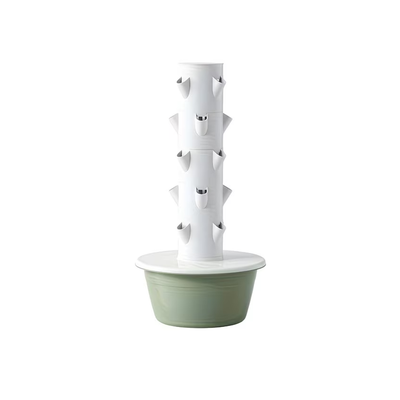
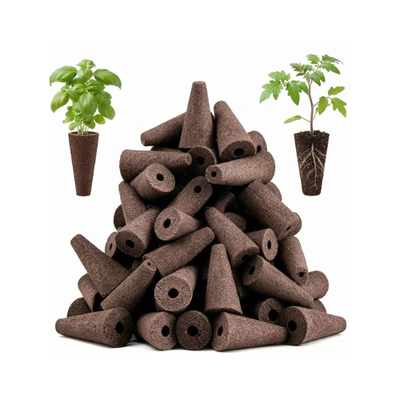
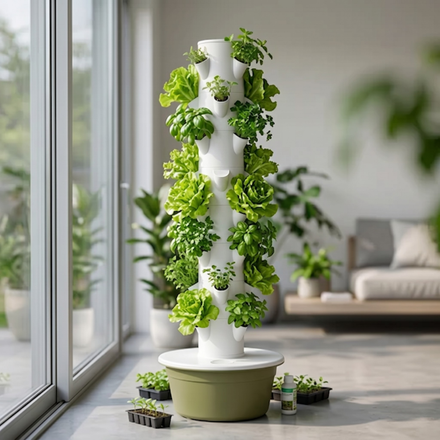
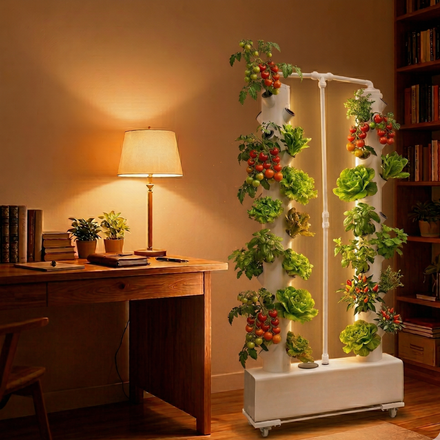
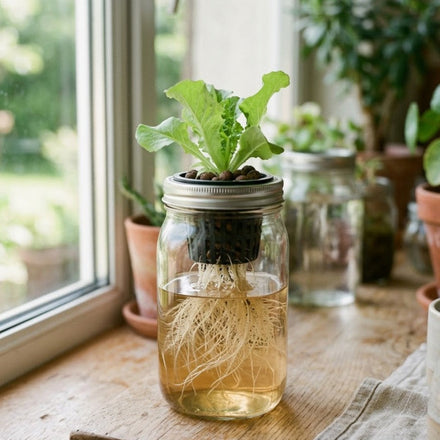
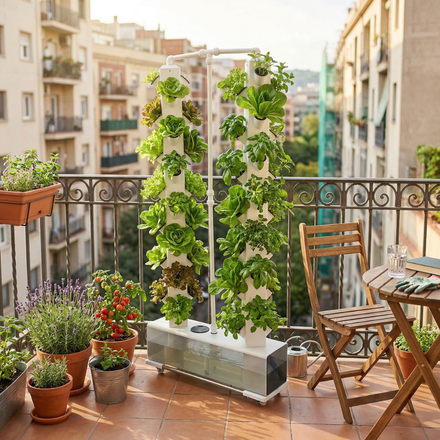
A growing tower is primarily designed for leafy vegetables. Lettuces, lamb's lettuce, rocket, spinach, chard, kale, basil, parsley, chives, mint and coriander are particularly well suited to this type of growing, because their root systems remain compact and their short cycle — fifty to sixty days for a lettuce according to the University of Florida — allows for rapid rotations. Strawberries also thrive in towers, with the added benefit of keeping the fruit off the ground and out of reach of slugs.
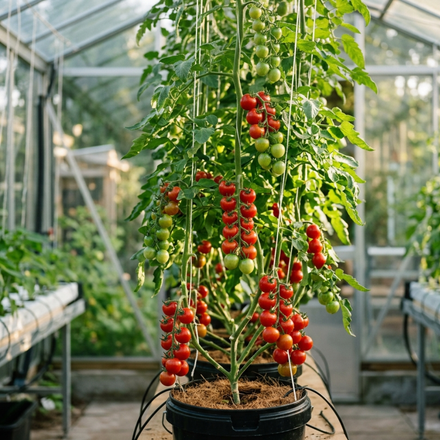
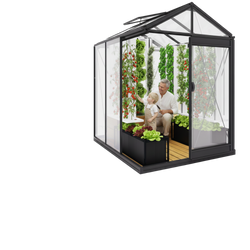
Summer fruiting crops are possible, but require careful thought. A tomato, pepper or cucumber grown in a column demands solid staking, generous spacing, manual pollination indoors and a more concentrated solution. Oklahoma State University places tomatoes at a conductivity of 2.0–4.0 mS/cm, compared with 1.2–1.8 for lettuce, which rules out growing both on the same reservoir without accepting a compromise that disadvantages one of the two crops.
Finally, some crops simply have no place in a tower. Root vegetables and tubers — carrots, potatoes, beetroot and turnips — have neither the space nor the support they need. Maize, squash and melon far exceed the dimensions available. These crops are not a failure of the method; they simply belong in a different container, and our article on what to grow hydroponically covers the corresponding planting calendar in detail.