Common Mistakes in Aquaponics
22 August 2025
Aquaponics is attracting more and more people passionate about sustainable gardening and food self-sufficiency. This ingenious system, which combines fish farming and plant cultivation in a closed system and allows you to produce vegetables and herbs while saving water, seems simple to master. However, even experienced aquaponics enthusiasts can make certain common mistakes that compromise the proper functioning of their system. Discover the main mistakes to avoid for successful home aquaponics.
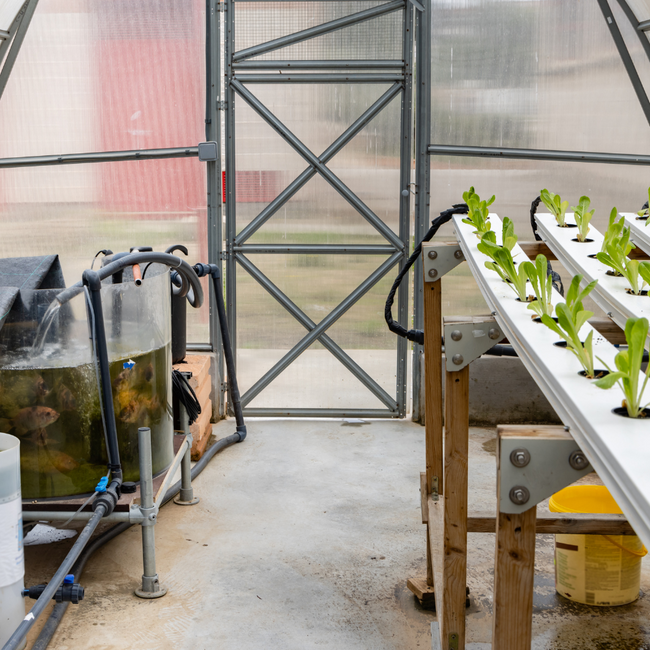
Sizing is the first essential step in aquaponics : volume of the fish tank, cultivation surface, filtration capacity, etc. A system that is too small quickly saturates with waste, while an oversized system becomes difficult to balance and maintain.
Take the time to carefully assess your needs : number of fish, types of plants, available space, production targets. Also consider space for maintenance and the possibility of upgrading your installation over time.
If this step seems complex, don't panic ! We've selected a range of pre-sized aquaponics kits for you, suitable for all projects and skill levels. Each kit is designed to ensure proper balance and ease of use, even for beginners. Simply click here to explore our selection and choose the kit that's right for you.
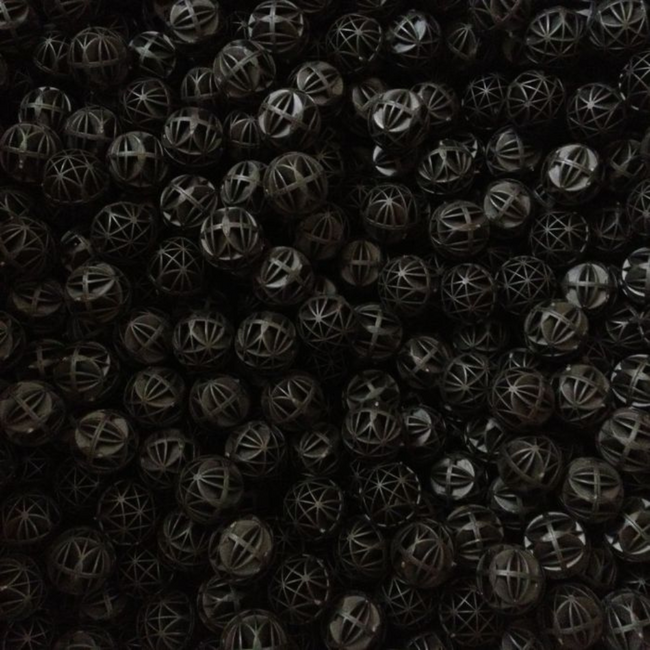
The nitrogen cycle is the heart of any aquaponics system : it transforms fish waste into nutrients that plants can absorb, thanks to the action of beneficial bacteria. Many aquaponic growers make the mistake of introducing fish too early, before these bacteria have had time to establish themselves.
The result : spikes in ammonia and nitrites that put both fish and plants at risk, and can destabilize the entire ecosystem. To avoid this, it is essential to start the nitrogen cycle beforehand (for 3 to 6 weeks) and to regularly monitor the water parameters. This step ensures the long-term stability and health of your aquaponics setup.
It may be tempting to add a large number of fish to speed up plant growth, but an excessive stocking density leads to a buildup of waste and destabilizes the system. This can quickly degrade water quality, cause stress for the fish, and promote the spread of algae or diseases. It is therefore essential to respect the recommended ratio between fish and plants, and to start with a low stocking density. You can gradually increase it as your system matures and your experience grows. Finally, test ammonia, nitrites, and nitrates every week so you can react quickly in case of imbalances (nitrite spikes, excessive nitrate accumulation).
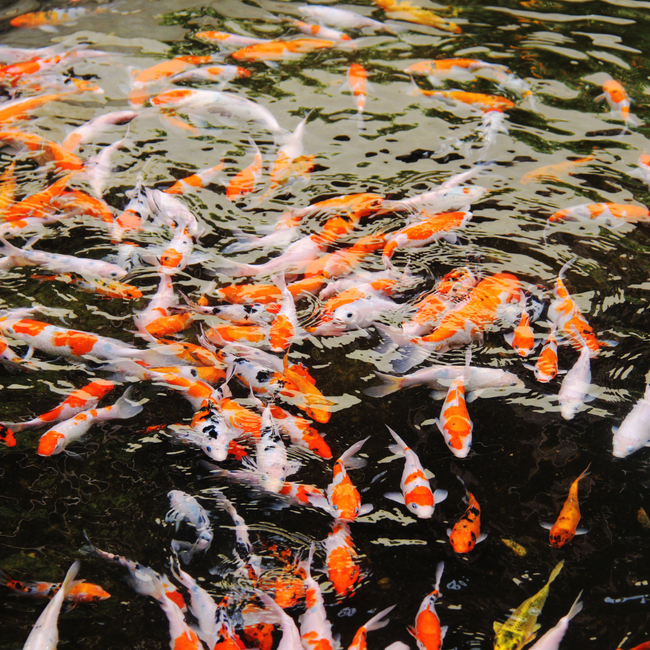
Not all plants and fish are suitable for aquaponics. It is better to choose robust and easy-to-grow species, such as lettuces, aromatic herbs, strawberries, tomatoes, or fish such as carp or goldfish. Fragile or exotic species often require specific conditions and can destabilize the system, especially for beginners. It is also important to check the compatibility of the chosen species, particularly in terms of water temperature and pH tolerance.
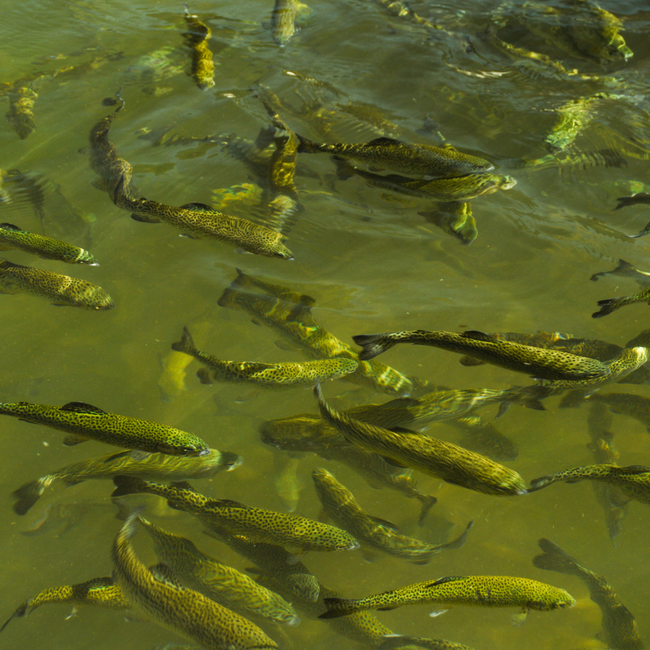
For a first experience, avoid fish like trout, which are common in aquaponics but do not tolerate temperature fluctuations or summer heat well. There are many other interesting options for setting up a successful aquaponics system.
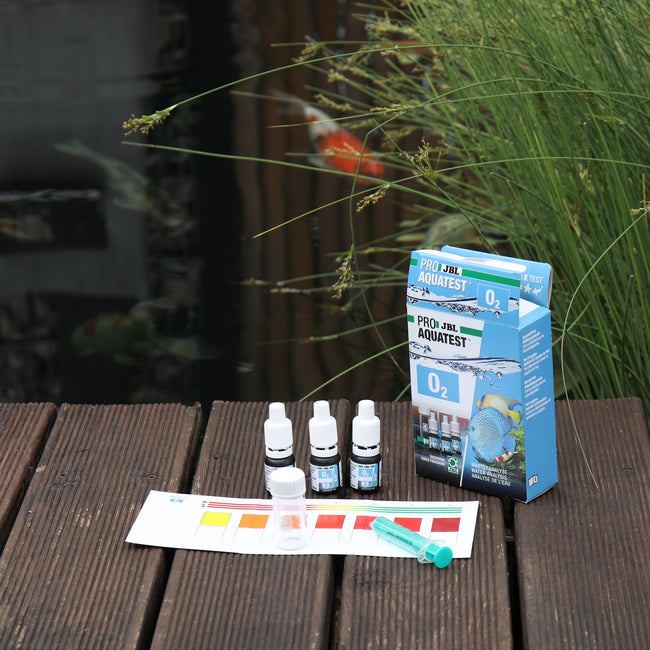
Monitoring water parameters (pH, temperature, nitrites, nitrates) is essential for the health of your system. An imbalance can cause stress in fish, slow plant growth, or promote the appearance of algae and disease. It is therefore important to have appropriate tests and regularly record the results to anticipate any problems. Monitoring this data helps maintain a healthy environment for all organisms in the system.
Oxygen is vital for the fish, plants, and bacteria in the filter. A lack of oxygen can quickly harm the entire system, especially during hot weather or if the water is not properly circulated. Installing an air pump or diffuser helps ensure proper oxygenation, and care must be taken to ensure good water circulation throughout the system. This promotes fish vitality and plant growth, while maintaining the efficiency of the biological cycle.
Regular maintenance is key to a sustainable aquaponics system : cleaning filters, checking pumps, monitoring plants and fish, etc. Set aside time each week to inspect your entire system and take prompt action if any issues arise. This helps prevent waste buildup and buildup in pipes or tanks, and ensures the longevity of your equipment. A well-maintained system remains efficient, productive, and enjoyable to use year-round.
In aquaponics, experience is gained step by step, and every mistake is an opportunity to learn. By knowing from the start which common mistakes to avoid and by applying these tips and best practices, you greatly increase your chances of success. Keep a logbook to track your system, exchange knowledge with the aquaponics community, and continue learning to improve. With time, observation, and the right adjustments, your aquaponics system will find its balance and reward you with healthy fish and abundant harvests of fresh vegetables. So, embark confidently on your aquaponics journey, avoid these pitfalls, and both your fish and plants will thank you !
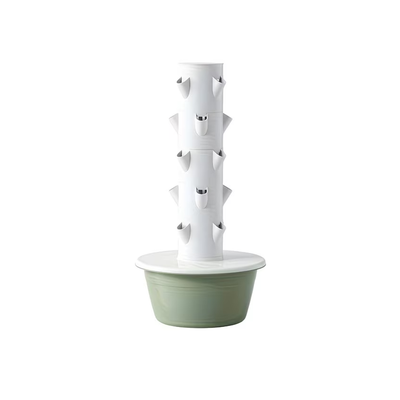
Greenhouses & Aquaponics Kits
Our greenhouses and kits dedicated to aquaponics. Get started with ease !
Plant Universe
Substrates, Seeds, Plants, Supplements, ...
Fish Universe
Ponds, food, nets, decorations, ...
Equipment Universe
Growing supports, pumps, heaters, lighting, ...
BOOKS Universe
Books on Aquaponics