Maintaining your aquaponic system in summer

01 July 2025
Entretenir son système aquaponique en été

Aquaponics is an effective solution to water shortages and increasingly hot summers, where traditional agriculture is struggling. Yet, the summer season remains a challenge : intense heat, rapid evaporation, and strained plants. Fortunately, with the right practices, your fish-plant ecosystem can not only survive, but also thrive under the sun.

Aquaponics and the Challenges of Summer

Summer is a season full of promise for aquaponics : plants grow quickly, sunlight boosts photosynthesis, and the outdoors becomes a natural playground for enthusiasts. But it’s also a time of thermal stress, increased evaporation, and potential imbalances in the system. As water heats up, oxygen levels drop, and both fish and plants can suffer if no adjustments are made.

This article will help you understand how to adapt your system to the specific demands of the summer season, so you can keep it healthy, productive… and comfortable for both your fish and your plants.

Impact of heat on water and fish

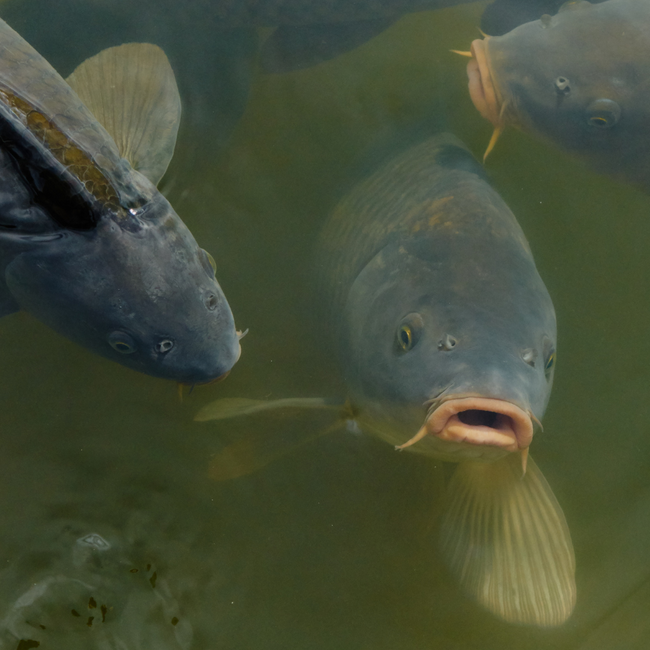
In summer, rising water temperatures can become problematic in aquaponics : beyond a certain threshold, specific to each species, the fish suffer and can even die if the heat persists. Moreover, the warmer the water, the less dissolved oxygen it contains, which further aggravates the situation. As a result, the fish gasp at the surface, feed less, and their metabolism is disrupted.

When designing your aquaponics system, consider choosing species that are suited to the local climate and temperature variations. Alternatively, consider a water heating or cooling system.

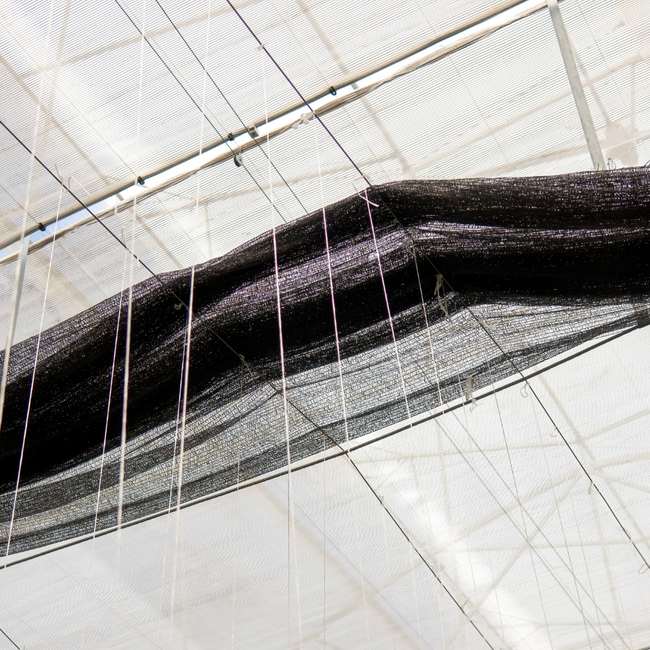
In summer, if possible, place your fish tank in the shade (using a tarpaulin or shade canopy) to limit direct sunlight. If, despite these precautions, the temperature exceeds acceptable limits, it would be best to transfer your fish to a cooler location.

Risk of evaporation and water level management

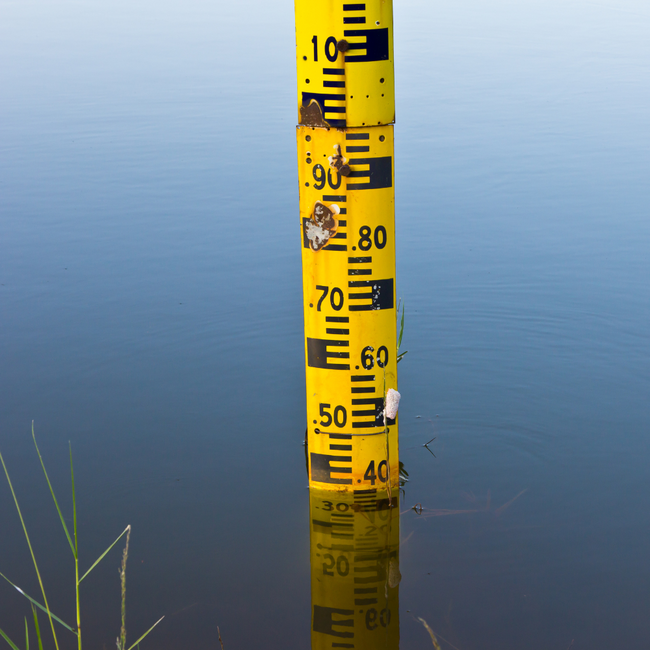
In summer, an aquaponic system can lose between 1 to 5% of its water volume per day due to evaporation and plant uptake. This loss is even greater if the system is exposed to wind or set up in a greenhouse without proper ventilation. Without regular top-ups, the water level drops, which can concentrate waste, disrupt the chemical balance… and even cause the pump to run dry.

To limit these effects, check the water level daily and top up with fresh water whenever needed. Use high-quality water : either filtered rainwater or tap water that has been left to sit for at least 24 hours to allow the chlorine to dissipate. Adding chlorinated water directly can stress the fish and kill the beneficial bacteria in the biofilter.

Also, cover as much of the water surface as possible to reduce evaporation : use boards, floating covers, aquatic cover plants (like duckweed), or shade cloths over the tank. These solutions offer a double benefit, they reduce water loss and help keep the temperature more stable.

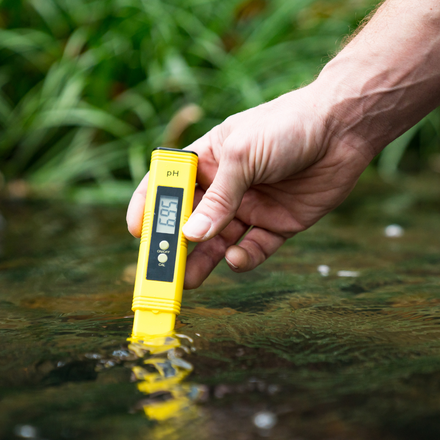
Finally, monitor the pH and salt concentration after significant evaporation. Regularly adding fresh water helps dilute accumulated nitrates and maintain the chemical balance of your ecosystem.

Plants suitable for summer in aquaponics

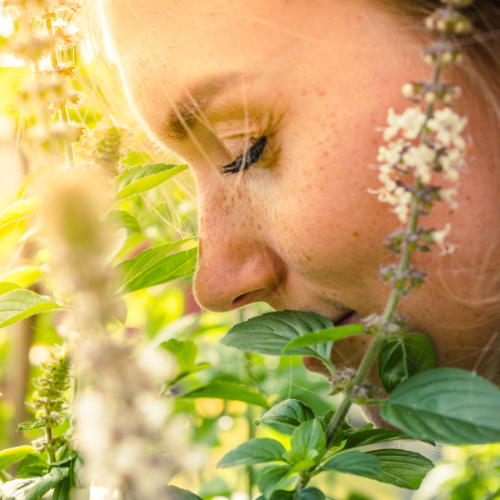
Choose plants that thrive in warmth and abundant sunlight. For example, basil is ideal for summer aquaponics : it thrives in nutrient-rich water and warm temperatures, conditions that are common in a summer system. Similarly, tomatoes thrive in plenty of light and warmth ; summer is the perfect season for them.

Peppers, cucumbers, eggplants, and zucchini also thrive in the summer heat. These fruiting plants consume more nutrients, so make sure your biofiltration system keeps pace. During heatwaves, consider protecting your most sensitive crops : even robust plants can suffer from blazing sun.

Installing a light shade cloth or ventilating the greenhouse during heatwaves helps prevent leaf burn. You can also combine plants with different growth cycles : for example, plant lettuce or spinach between taller crops like tomatoes or zucchini. This way, the larger plants provide shade for the more delicate ones, helping prevent lettuce from bolting too quickly.

Mini melons or small watermelons can also be grown in a vertical system or deep grow bed, as long as they get plenty of sunlight, a strong trellis, and good air circulation.

For gardeners looking to combine productivity with aesthetics, nasturtiums are an excellent summer choice : they’re edible, add beauty to your system, and attract pollinators.

How to optimize water oxygenation

The warmer the water, the less oxygen it can hold : at 30°C, natural oxygenation is much less than at 20°C. In summer, you should therefore increase the aeration of your aquaponic system.

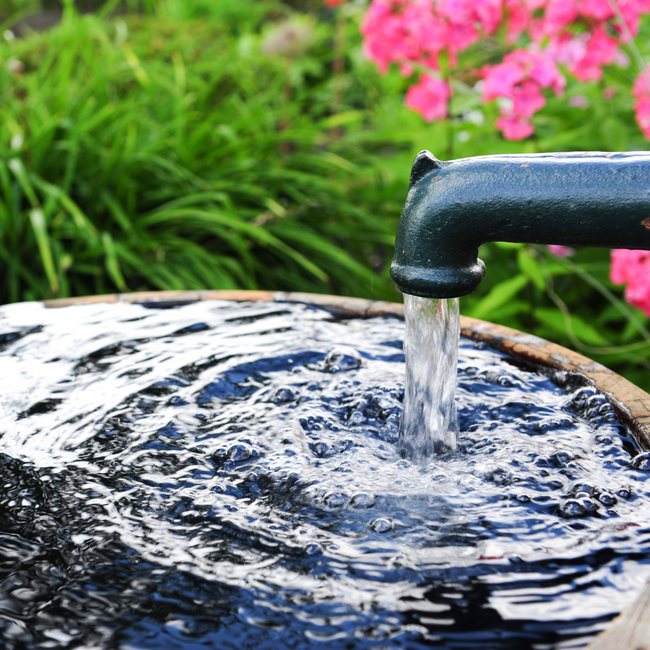
Step one : Ensure good water circulation. Continuously moving water (fountain, waterfall, dripping) promotes gas exchange. Leave the circulation pump at maximum flow rate at all times.

Next, equip your pools with powerful air diffusers (bubblers), to be operated 24/7 during the hot season. Check that each tank has its bubbler properly submerged for optimal diffusion of micro-bubbles.

It can also be wise to add a second air pump or air stone during heatwaves, especially if your fish population is dense. Another useful tip : install a surface circulation pump that injects air into the water flow, this combines water movement with oxygenation. Finally, keep an eye on your fish’s behavior : if they are gasping for air at the surface, it’s a sign that the water is low in oxygen. In that case, you can slightly reduce feeding. In short, during extreme heat, maintaining water oxygenation consistently is essential to offset natural declines and prevent stress on all the living organisms in your system.

Mistakes to avoid in aquaponics during the heat

Overfeeding fish : In high heat, fish appetites may decrease. Any uneaten food will rot in the tank, consuming oxygen and degrading the water. Distribute smaller rations and remove leftovers after 5-10 minutes.

Forget about shade : Direct sunlight on your fish tank heats it up quickly. Don't leave your system unprotected in the blazing sun. Install a shade or cover over at least part of the tank. This will keep your fish cool and the water will turn green less quickly.

Overstocking with fish : In summer, oxygen is limited, so an excess population is even more risky. Maintain a reasonable density (e.g., ~20 kg of fish per 1000 L of water) to avoid a mass die-off during heat waves.

Neglecting the water level : With rapid evaporation, the level can drop by several centimeters in a few days. Not topping up exposes the pump to air suction and concentrates waste. Check the level daily in hot weather and add water as needed.

Adding ice water suddenly : Trying to cool it too quickly can shock the fish. Never add a large amount of very cold water at once, and don't throw in ice cubes.
directly into the fish tank. Thermal shock can kill them. If necessary, perform small water changes spread out over the day.

Forget emergency ventilation : A power outage of a few hours on a hot day without a backup air conditioner is tragic. If possible, plan for a battery-powered backup system.
(solar air pump, oxygenation by gravity waterfall) in order to deal with unforeseen events and maintain oxygen if the main pump stops.

Conclusion : Fewer mistakes, more harvests

In summary, maintaining your aquaponic system in summer requires a few adjustments, but it’s entirely manageable with a bit of common sense and planning. By keeping your water at the right temperature, well-oxygenated and topped up, by choosing seasonal plants, and avoiding common mistakes, you’ll get through the hot season smoothly.

Even better, you can harness the power of summer to enjoy abundant harvests and meaningful moments around your system. Aquaponics in summer can be just as fulfilling for you as it is for your fish and plants. So apply these tips and make the most of this season, perfect for growth, both in your ecosystem and your harvests !