Understanding and correcting cloudy water in aquaponics

19 December 2025
Comprendre et corriger l’eau trouble en aquaponie

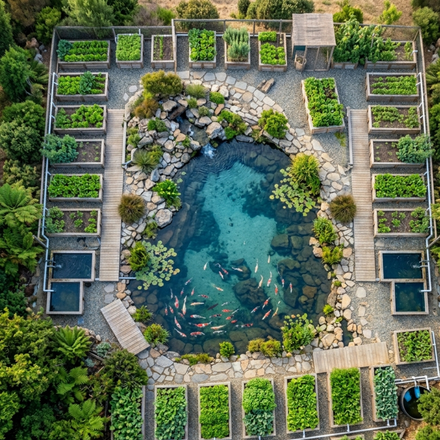
An aquaponics system is not a simple machine ; it is a living and complex ecosystem. It relies on a fragile but fascinating balance between three main players : fish, plants, and, above all, the invisible bacteria that link the two.

Whether it's a bacterial bloom, a mechanical problem, or an algae overgrowth, cloudy water is a sign that your system isn't functioning properly. Let's delve into the causes of this phenomenon to learn how to control it.

Why does the water become cloudy in aquaponics ?

An aquaponics system operates in a closed loop. Any change in organic matter, light, or the nitrogen cycle is directly reflected in the water. Cloudy water is often a sign of increased suspended particles or microbial growth. This can result from uneaten food, fish waste, an incomplete biofilter, overcrowding, or excessive light promoting algae growth.

It is therefore essential not to look for a single solution : it is necessary to observe the condition of the fish, measure the water parameters, and understand when the cloudiness appeared.

Whitish water : a sign of an immature biofilter

White or milky water after a few days of operation is perfectly normal. It often accompanies the colonization of the biofilter by nitrifying bacteria.

When a system starts up, the bacteria multiply rapidly, creating a visible "bacterial bloom," similar to a milky film. In this case, there is nothing to do but wait. The film disappears naturally when the nitrogen cycle reaches equilibrium.

Cloudy water can also appear after overly aggressive filter cleaning or a large water change, which disrupts the bacterial colony. The water will become clear again once the microbial population stabilizes.

Green water : an algae bloom

Green water indicates excessive growth of microscopic algae. They appear when three conditions are met : direct light, presence of nutrients, and heat.

This phenomenon often occurs when the pond is exposed to sunlight, or when nutrients (especially nitrates) accumulate in the water. Algae are not toxic in small quantities, but they consume oxygen at night and compete with plants.

The solution is to reduce direct sunlight, improve mechanical filtration, and increase the capacity of the biofilter. A well-balanced system, with limited sun exposure and adequate oxygenation, rarely produces excessive algae.

Brown or murky water : a mechanical problem

Brownish or slightly opaque water is often linked to the presence of suspended particles. These particles usually come from food, waste, or a clogged mechanical filter.

When too much solid matter circulates in the water, it indicates that the first stage of filtration, mechanical filtration, is not functioning properly. A simple improvement to the pre-filter, more frequent cleaning of the filter sponges, or the addition of a settling tank may be enough to clarify the water. In aquaponics, it is important that mechanical filtration be kept separate from biofiltration to avoid suffocating the nitrifying bacteria.

The essential role of water quality

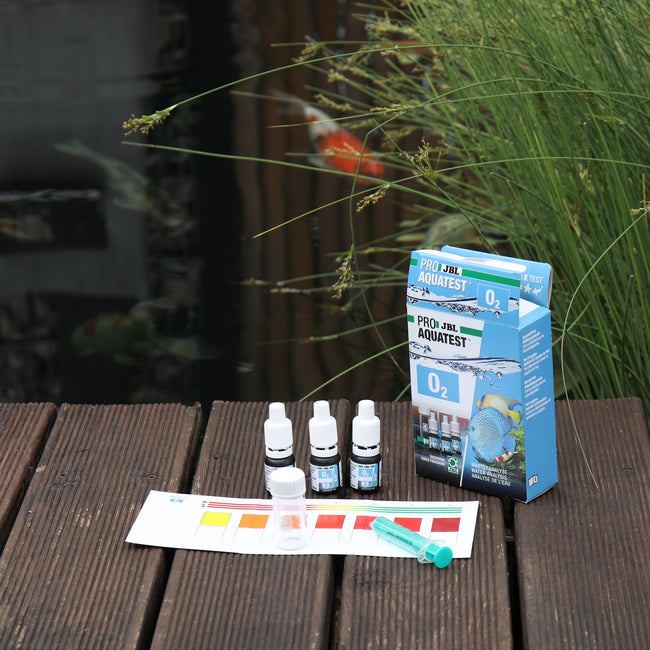
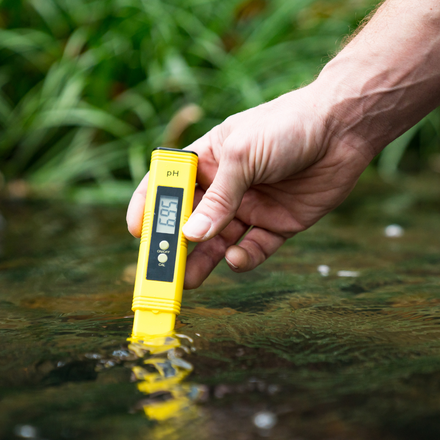
To understand and resolve cloudy water, three key parameters must be monitored : ammonia, nitrites, and nitrates.

A spike in ammonia or nitrites often coincides with cloudy water. This indicates that the biofilter is unable to absorb the current organic load, either because it is too new, has been disturbed, or there are too many fish in the system.

Temperature also influences water clariy : cold water slows down nitrification and promotes the accumulation of undegraded organic matter.

How to restore clear water permanently ?

The key to restoring clear water isn't adding products or doing a complete water change. On the contrary, massive water changes can worsen the problem by further disrupting the bacterial colony. To restore water clarity, you need to restore the biological balance. This involves :

– a sufficient supply of oxygen,
– clean and efficient mechanical filtration,
– a mature or reinforced biofilter,
– a diet adapted to the quantity of fish
– controlled light exposure.

In most cases, the water naturally becomes crystal clear once the ecosystem stabilizes.

Refine mechanical filtration

If your water is full of small suspended particles or is starting to turn green, it means your mechanical filtration system (the first stage that traps larger debris) is letting too much matter through. Unfiltered waste decomposes in the water and feeds microscopic algae.

The solution is to temporarily add a finer filtration layer at the beginning of the circuit. Using filter floss (perlon) or fine mesh foams allows the water to be "polished" by retaining the finest particles.

Warning : these materials clog quickly, they must be rinsed very regularly (every 2-3 days) until the water runs clear.

Boost biological filtration

If your water looks like diluted milk, it's a bacterial bloom. This means that the "good" nitrifying bacteria (those that live in the biofilter) are not numerous enough to compete with the free-water bacteria that are clouding your pond.

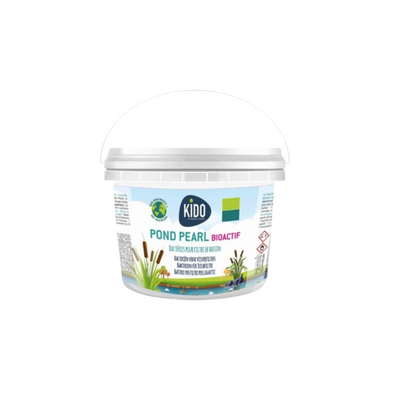
This is common at startup or after over-cleaning the filter. To help the system, you need to re-seed your biofilter extensively. Adding a biological activator (concentrated bacteria) allows you to quickly recolonize your filter media and clear up cloudy water.

Preventing cloudy water in aquaponics : understand before you act

Cloudy water is not a problem in itself : it is a message sent by the ecosystem.
A well-designed system, with a generous biofilter, regular water circulation, and good oxygenation, remains clear with minimal effort. Prevention involves a simple routine : moderate feeding, cleaning the pre-filter, monitoring parameters, and protecting the water from direct sunlight when it is not beneficial to the plants.

Over time, observation becomes your best tool. A mature, stable, and well-maintained aquaponics system is capable of remaining crystal clear for years, proof of a perfectly managed balance.