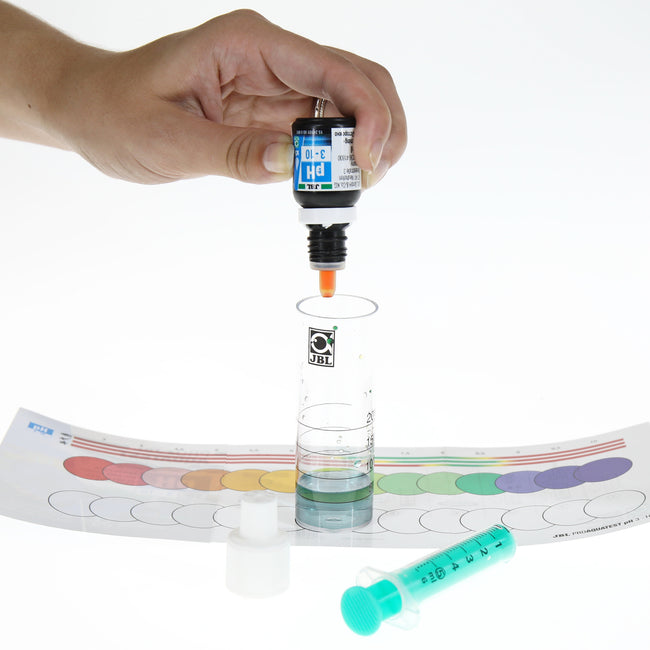
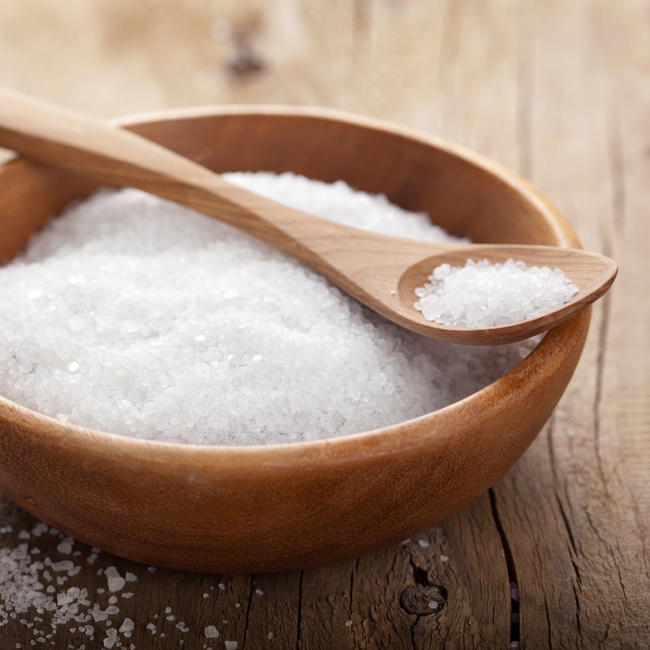
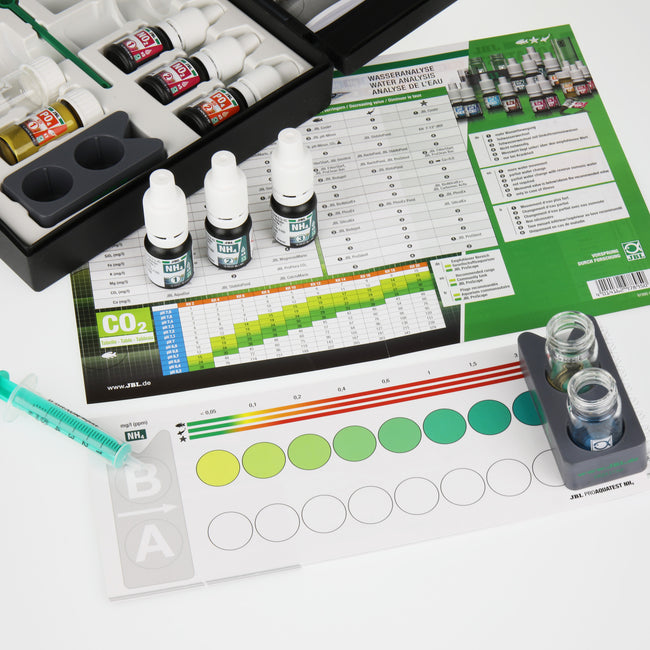
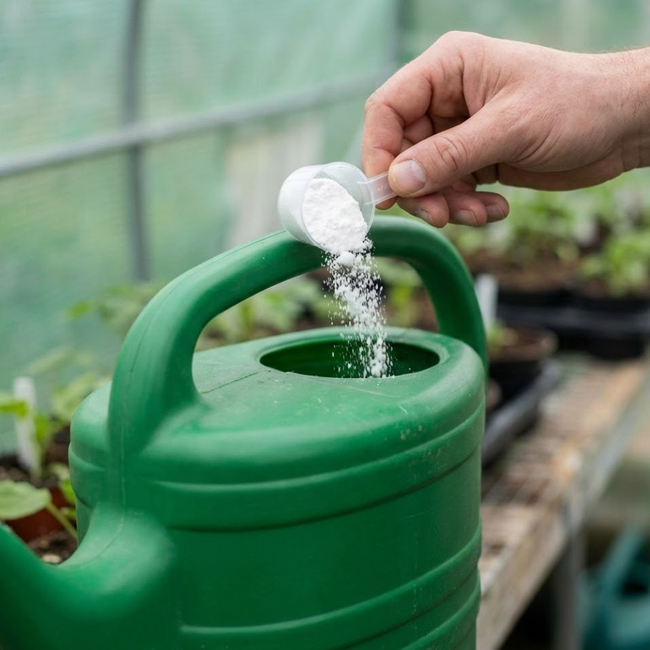
There's no universal dose, because the result depends on your water volume, its starting carbonate hardness, and the intensity of nitrification. The only reliable method is to work in very small increments — dissolve the powder in a bucket of system water before pouring it slowly into a high-flow area, then measure again twenty-four hours later. A rise of around two tenths of a pH unit per day is a reasonable pace, and more than sufficient for a living system.
The second habit to develop is not to make potassium carry the entire load. Aquaponic design guides describe an alternating base addition approach, where potassium hydroxide and calcium hydroxide are added in comparable quantities several times a week to hold pH around 7.0 in commercial units. The same logic applies at a domestic scale. Alternating a potassium source with a calcium source avoids saturating the system with a single cation, while simultaneously covering two plant requirements.
The classic mistake is to correct once, generously, and think no more of it. A productive system continuously consumes its buffer, so a single heavy correction merely shifts the problem — and gives the fish a pH shock into the bargain. A small, regular weekly addition, logged in a notebook, is far better than a massive intervention every two months.