Aquaponics and hydroponics, what's the difference ?
Written by Tristan Ulrich · August 23, 2025 · min read
Soil-free growing is experiencing remarkable growth, driven by rising demand for sustainable food production, increasing environmental awareness, and the development of innovative urban solutions. Among the most popular techniques are hydroponics and aquaponics — often confused with one another, yet fundamentally different. Understanding their principles, advantages, and limitations is essential to making an informed choice between these two systems.
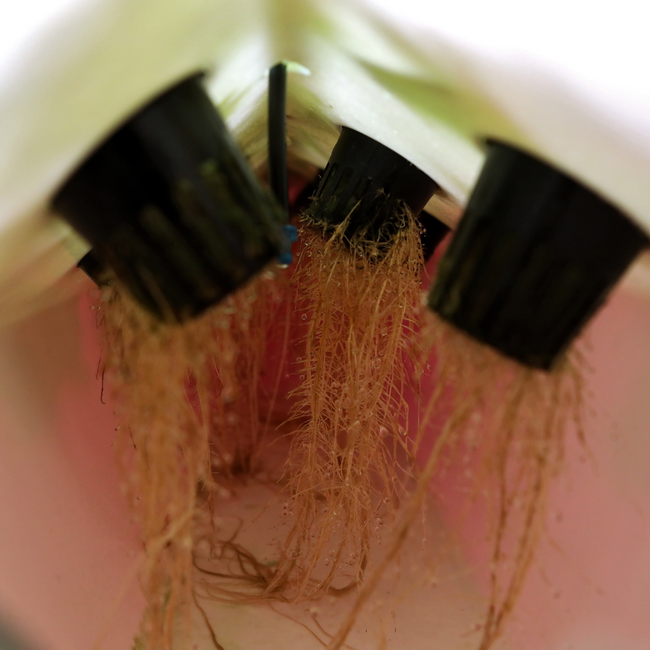
Hydroponics is a soilless growing method in which plant roots are immersed directly in nutrient-enriched water. This water contains a precise nutrient solution, composed of soluble mineral fertilizers that provide plants with all the essential elements for growth, such as nitrogen, phosphorus, potassium, and various trace elements.
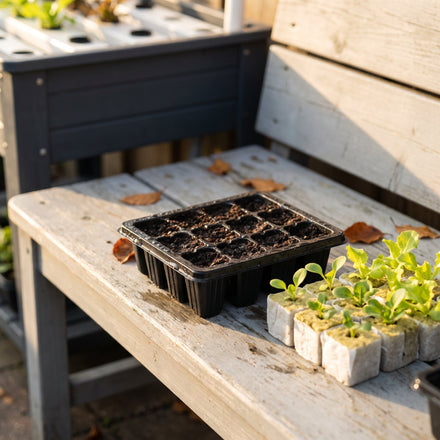
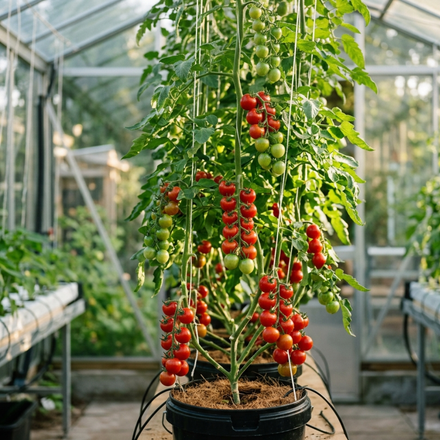
Plants can grow in a neutral substrate such as clay pebbles, rock wool, or perlite, or directly in water. A pump ensures the continuous circulation of this nutrient solution to feed the roots. To ensure proper growth, it is essential to constantly monitor water parameters, such as pH, temperature, and nutrient concentration.
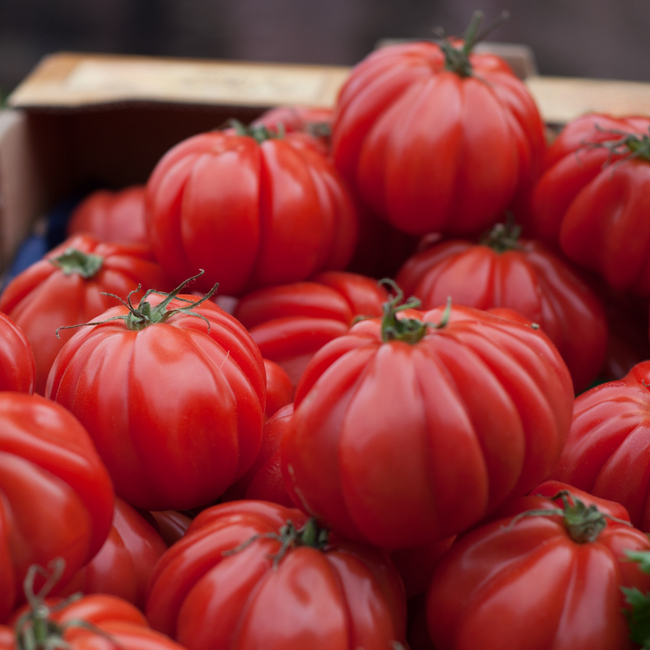
Widely used in intensive agriculture, particularly in greenhouses, hydroponics is particularly suited to market garden crops such as tomatoes, lettuce, and cucumbers. It allows for high, rapid, and consistent yields throughout the year.
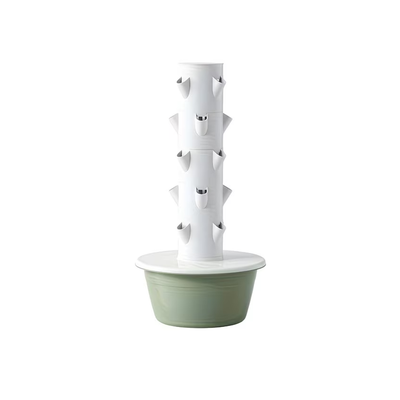
Aquaponics goes further by combining aquaculture and hydroponics (hence its name: aquaponics). It draws inspiration from the functioning of natural ecosystems to create a virtuous loop where nothing is wasted. Fish produce waste rich in ammonia. Bacteria transform this ammonia into nitrites, then into nitrates that are easily assimilated by plants. The latter use these nutrients to grow, while purifying the water, which then returns to the fish pond.
This system relies on a fragile but powerful biological balance, in which each player, fish, plants, and bacteria, plays an essential role. Aquaponics uses no chemical fertilizers, since the nutrients come directly from fish waste. It therefore allows for the production of both vegetables and fish in an environmentally friendly system, perfectly illustrating the principle of circular and sustainable agriculture.
Hydroponics appeals for its high productivity and ease of installation. It allows for the control of every parameter to achieve fast and consistent harvests, making it a preferred solution for intensive agriculture. However, this efficiency relies on a constant reliance on chemical fertilizers and requires constant water monitoring, which results in recurring costs and a sometimes questionable environmental impact.
Aquaponics, on the other hand, requires a higher initial investment and a learning curve to find the right balance between fish, plants, and bacteria. But once the system is stabilized, it becomes remarkably self-sufficient and offers dual production : vegetables on one side and fish on the other. Its low water consumption and closed-loop operation make it a more sustainable model, designed to be environmentally friendly and responsible.
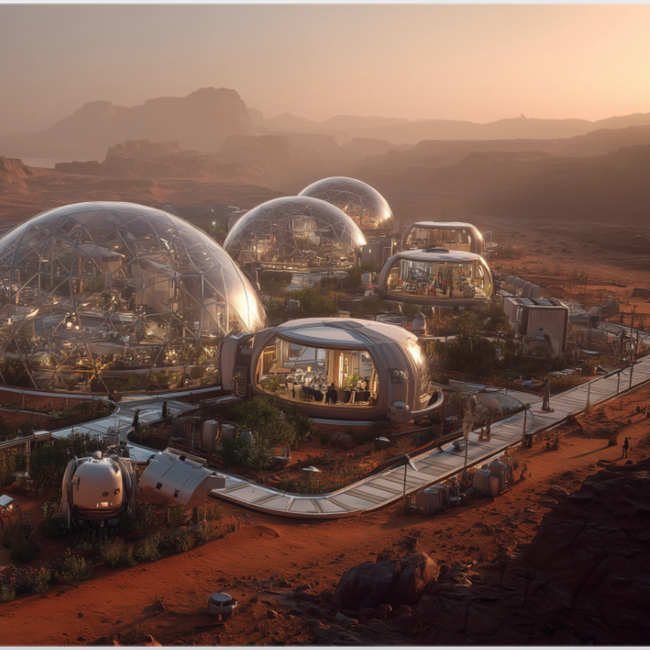
Rather than wondering which system to adopt, it's interesting to imagine the place hydroponics and aquaponics could have in the agriculture of tomorrow. These soil-less techniques meet the challenges of a world where arable land is becoming scarce, water is becoming precious, and proximity between production and consumption is essential. Hydroponics is already making its mark in industrial greenhouses to ensure consistent yields, while aquaponics, still emerging, is appealing for its sustainable dimension and its ability to bring consumers closer to their food. Together, they pave the way for urban farms, educational projects, and even cultivation in extreme environments, such as deserts or space projects.

Beyond the technical aspect, choosing between hydroponics and aquaponics comes down to adopting a certain vision of the relationship we have with nature. Hydroponics embodies total human control over the plant : each nutrient is measured, each parameter is controlled, and cultivation becomes an almost industrial process. Aquaponics, on the other hand, illustrates a more organic approach, where humans strive to support an already existing natural cycle. It emphasizes cooperation between living beings and the search for balance rather than simply optimizing yield. One is not better than the other : they are two philosophies that reflect different ways of approaching the question of food.
Hydroponics and aquaponics both embody the future of soilless agriculture. One has already found its place in intensive production thanks to its efficiency and consistency, while the other appeals for its ecological and educational dimension by recreating a natural balance between fish and plants. These two approaches meet complementary needs and together outline exciting prospects for the agriculture of the future, whether it involves feeding cities, developing sustainable farms, or even exploring extreme environments.
But beyond technique, the choice between hydroponics and aquaponics is also a question of vision. Hydroponics reflects the desire to master every detail to optimize production, while aquaponics invites us to draw inspiration from nature and collaborate with it. Neither is a one-size-fits-all solution : they reflect two agricultural philosophies that, far from opposing each other, complement each other and enrich our way of thinking about food.
In a world where food security and sustainability are becoming major issues, these two systems are opening up new horizons. Whether it's efficiency or balance, both are helping to write a new chapter in modern agriculture, one that is closer to our needs and more respectful of our planet.
Sources
Yang et Kim, revue Water (MDPI), 2020. Comparaison expérimentale des milieux aquaponic et hydroponic, Comparative levels of potassium, calcium, magnesium and nitrogen, and the conductivity difference between the two media.
Eck, Sallam and Jijakli, Aquaponics Food Production Systems (Springer, 2019), chapter Nutrient Cycling in Aquaponics Systems, The proportion of nitrogen from feed actually retained by the fish, and what happens to the rest.
Goddek et al., Sustainability (MDPI), 2015. Challenges of Sustainable and Commercial Aquaponics, Compromise pH in a coupled system and phosphorus levels compared with hydroponics.
SMIDAP. Final report of the OPRA 2 project on aquaponics, French field experience on water savings in an aquaponic installation.
New Mexico State University Extension, circular CR-680. Water quality parameters in aquaponics, Parameters to monitor continuously when transitioning from a mineral solution to a living medium.
No, and the gap is far wider than most people expect. A comparison published in 2020 in the journal Water by Yang and Kim measures both systems side by side. Potassium drops from 333 mg/L in hydroponics to 75 mg/L in aquaponics, calcium from 146 to 18 mg/L, magnesium from 40 to 1.6 mg/L, while nitrogen stays closer, at around 200 versus 110 mg/L. The overall conductivity of aquaponics water comes out two to three times lower.
This does not rule out aquaponics, but it does explain why its raw yields generally remain lower than those of a perfectly dosed mineral solution, and why leafy crops — which are undemanding — succeed better in it than fruiting plants.
It is also why many systems use targeted supplements rather than increasing fish stocking density, which would throw the pond out of balance long before the plants were adequately fed.
The conflict is real. Plants absorb nutrients most efficiently in a slightly acidic range, whereas nitrifying bacteria and fish perform better at a higher pH. The synthesis by Goddek and his co-authors settles on a compromise of around 6.8 to 7.0 for a coupled system — a value that fully satisfies no one but allows every component to function.
It is precisely this compromise that leads some installations to decouple the two circuits, running the pond at its own pH and adjusting the growing circuit separately.
Only a small proportion ends up in the fish itself. The review by Eck and co-authors on nutrient cycles estimates that around 30% of the nitrogen in the feed is retained by the fish biomass. The rest enters the water as excreted ammonia and solid waste.
It is this residual fraction that bacteria convert into nitrates and that plants take up. In other words, what sustains the growing bed is not what the fish retains but what it releases — which explains why solid waste management is considered so important in any aquaponic system.
Yes, within the figures quoted. A French real-world case study puts the saving at around 90% compared with soil growing.
Deficiencies are fairly predictable there, as they concern the elements that fish feed supplies poorly.
These supplements are added in small quantities and should be chosen for compatibility with the presence of fish, which rules out most complete hydroponic fertilisers.
Technically yes, the growing side changes very little. What changes completely is the monitoring. You move from a solution you drain and remake to a living system, where ammonia, nitrites, nitrates and dissolved oxygen all need to be tracked continuously, as university extension water parameter guides make clear.
Above all, allow for several weeks of cycling before you have a bacterial population capable of handling the load. A successful conversion starts with this gradual build-up — never with a full tank on day one.
Greenhouses & Aquaponics Kits
Find the greenhouse or aquaponics kit you've always dreamed of ! Turnkey models, for easy entry into aquaponics.
Plant Universe
Seeds, substrates, fertilizers, composts and horticultural accessories to successfully produce vegetables using aquaponics.
Fish Universe
Food, ponds, aquariums, water analysis systems and various accessories for the well-being of your fish.
Equipment Universe
Pumps, filters, air pumps, heaters, lights, pipes and accessories to equip and secure your aquaponics system.
TRAINING Univers
Practical books and training on aquaponics, agroecology, and food self-sufficiency.