What plants can be grown in aquaponics ?

Written by Tristan Ulrich · May 20, 2025
Légumes-feuilles cultivés hors-sol en aquaponie

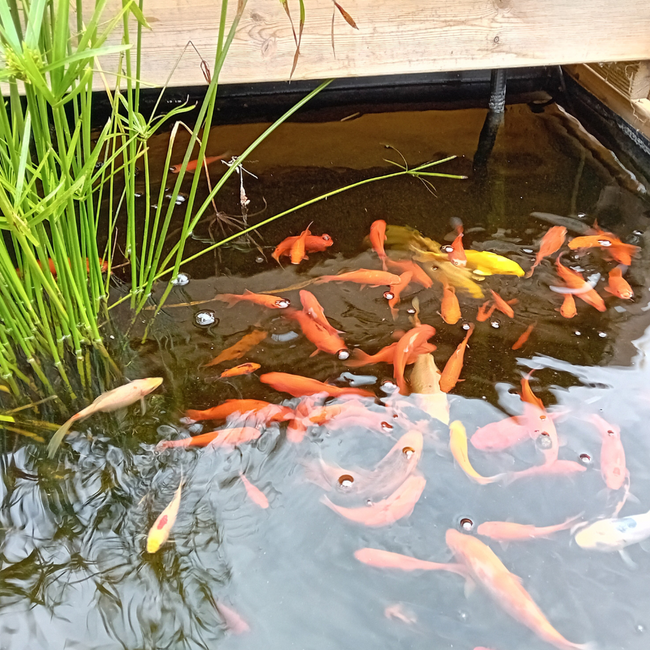
Aquaponics brings together fish farming and plant cultivation in a sustainable, circular system. But for this aquatic garden to become truly productive, you need to know which plants to choose.

Why is choosing the right plants essential in aquaponics ?


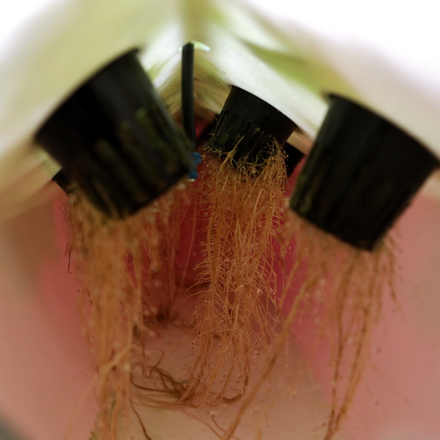
Aquaponics relies on a delicate balance between fish, plants, and bacteria. For this system to function properly, each element must play its part. Plants aren't just there to produce food : they purify the water, absorb nutrients from fish waste, and actively contribute to the overall stability of the system. But not all plants adapt to this growing method in the same way.

Choosing the right plants for aquaponics allows you to achieve better yields, avoid imbalances, and simplify system maintenance. In this article, you'll discover which plants are easiest to grow, which ones to avoid, and the essential criteria for building a productive and sustainable aquaponic vegetable garden.

The easiest plants to grow in aquaponics Reine de Mai lettuce seeds

The Easiest Plants to Grow in Aquaponics

For beginners, it's recommended to start with plants that are easy to grow. The goal is to help get the system off the ground while ensuring a good first harvest.

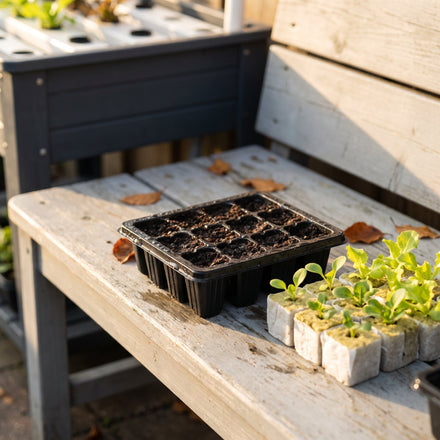
Leafy vegetables are particularly well-suited for the early stages of an aquaponics system. They have relatively low nutrient requirements and a short growth period, allowing for rapid observation of the positive effects of the fish-plant ecosystem.

Lettuce and salad greens : These are aquaponics classics. They grow quickly (about 4 to 6 weeks), tolerate temperature fluctuations well, and thrive on moderate nutrient concentrations. They're ideal for getting acquaponic familiarity.

Spinach and Swiss chard : These leafy vegetables are also very well adapted. They withstand variable conditions well and allow for successive leaf harvests, which extends the production period. Rich in nutrients and popular in cooking, they offer an excellent yield/effort ratio.

Aromatic herbs in aquaponics Dark Opal Basil Seeds

Aromatic herbs in aquaponics

Herbs are among the most popular plants for aquaponics. Their high culinary value, rapid growth, and moderate nutrient requirements make them ideal candidates.

Like leafy greens, they can be grown with few nutrients and adapt well to a young, stabilizing system. Another significant advantage : most of these plants can be harvested gradually, leaf by leaf, without compromising their development. This allows for continuous production over several weeks or even months.

Basil, mint, chives, parsley : Very easy to grow, they appreciate the constant moisture of the substrate and offer generous production. They are the stars of aquaponic systems, often used in educational demonstrations.

Thyme, rosemary, oregano : Although more Mediterranean, these plants can also be grown aquaponically if placed in a less humid area with a more well-draining substrate. They require a little more attention but fit well into a more diversified approach.

Fruiting vegetables compatible with aquaponics Prima Belle Pepper Seeds

Fruit vegetables compatible with aquaponics

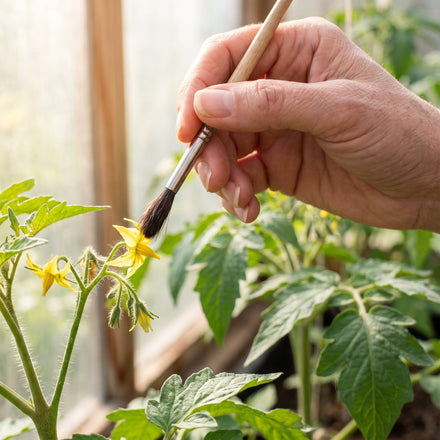
Many fruit-bearing vegetables (plants that produce fruit or vegetables to be harvested) can also be grown aquaponically, although they require a little more attention.

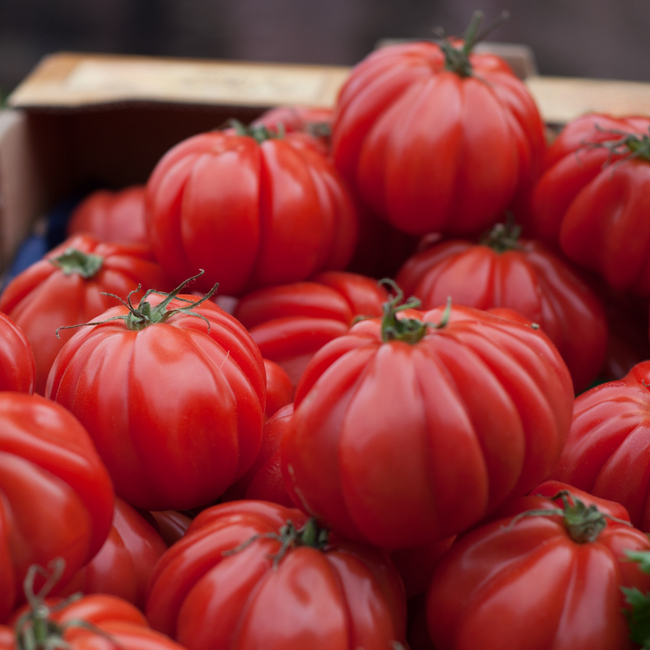
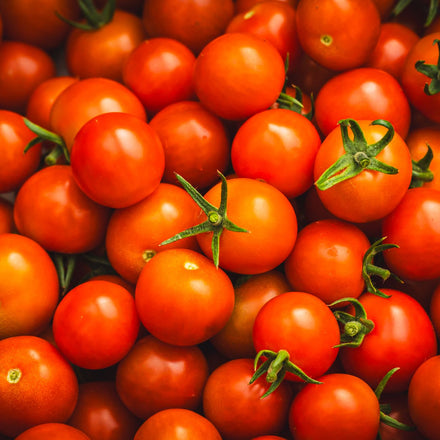
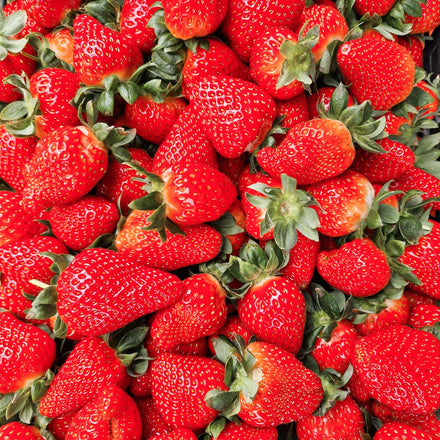
Tomatoes, peppers, chilies, eggplants and strawberries are among the popular species in aquaponic systems.

These plants generally have higher nutrient requirements than salad greens or herbs, but a well-balanced system can handle them perfectly. Just make sure your fish population produces enough waste (nutrients) to feed these more demanding crops.

Compatibility between plants and fish Aquarium thermometer with suction cup

Compatibility between plants and fish

You should choose plant/fish combinations that share similar environmental preferences. For example, warm-water fish (like tilapia) require water around 24-28°C, ideal for plants like basil or tomatoes, while cold-water fish like trout will be better suited to cool-loving crops (lettuce, spinach). Make sure the temperature range, water pH, and even hardness are suitable for both partners in the system.

More fish means more nutrients in the water, which benefits plants... up to a point. Too many fish (and therefore waste) can saturate the system and affect water quality, while too little fish won't provide enough nutrition for your plants.

It's up to you to find the balance of your system !

Plants unsuited to aquaponics

Plants unsuitable for aquaponics

At the top of the list are root and bulb vegetables (carrots, potatoes, onions, beets, etc.). In a constantly irrigated bed, roots and tubers risk becoming deformed, rotting, or remaining stunted.

Other slow-growing plants or plants with overly large root systems should also be avoided. For example, fruit trees or shrubs are not suitable for home aquaponics due to their size and longevity.

Similarly, plants that like arid or very acidic soils (certain heather plants, cacti, etc.) will not thrive in a continuously humid environment.

Conclusion : choose your plants carefully to succeed in aquaponics

Aquaponics allows you to grow a wide variety of plants, from easy-to-grow leafy greens to more demanding fruit plants , as well as aromatic herbs that adapt well to this type of cultivation. The choice of plant species should be consistent with the maturity of the system, available nutrients, and cultivation objectives.

With a little observation and experimentation, it's possible to gradually adjust the balance between fish, plants, and filtration to achieve a productive and stable system. Aquaponics is, above all, a learning process : each installation evolves over time, depending on conditions, trials, and experience.

Starting simply, respecting the needs of the ecosystem and regularly observing its functioning are the keys to a sustainable and effective aquaponic vegetable garden.

Sources

University of Latvia et projet TransFarm, Plants in Aquaponics : Selection, Requirements and Limitations, Suitable species, temperature and pH ranges, and the special status of root vegetables.

Virginia Cooperative Extension, Calculating and Using Daily Light Integral (DLI), SPES-720NP, Quantified light requirements for lettuces, basil, tomatoes and seedlings.

Oklahoma State University Extension, Nitrification and Maintenance in Media Bed Aquaponics, Target pH and nitrate readings for a system considered stable.

New Mexico State University, Aquaponics, Circular 680, Effect of pH on nutrient availability and the usual nitrate range.

Eck, Körner et Jijakli, Nutrient Cycling in Aquaponics Systems, Springer, 2019, Sources of available nutrients and typical deficiencies in potassium, calcium and iron.

University of Florida IFAS, A Practical Guide for Aquaponics as an Alternative Enterprise, HS1252, The link between fish feed ration and the sustainable growing area it can support.

Frequently asked questions

A system that has just been set up does not yet produce enough nitrate for hungry plants. The most reliable indicator is not the calendar but your test results: until nitrate stabilises within a range of around 60 to 70 ppm, with no ammonia or nitrite spikes, stick to lettuces and herbs. Depending on fish stocking levels and temperature, this stabilisation typically takes anywhere from a few weeks to a few months. Planting a tomato too early won't cause lasting damage, but the plant will stall and take up a useful space.

Almost, with one caveat: above approximately 26 °C in the water, it bolts and turns bitter. In summer, aim for partial shade or cooler water.

Light often determines the choice of species more reliably than nutrients do. It is measured as daily light integral, expressed in moles per square metre per day. The benchmarks published by the Virginia Tech extension place lettuces at around 12 to 17, basil at 15 to 25, tomatoes and cucumbers at 20 to 30, and young seedlings at just 5 to 10.

In practice, a north-facing windowsill, or a room lit without a horticultural lamp, peaks well below these figures. A grow bar delivering 200 µmol per square metre per second over sixteen hours provides roughly 11.5 moles per day, which suits leafy crops but is not enough for a tomato.

The conclusion is useful when making your choice: in a poorly lit space, do not try to compensate through fertilisation — grow leafy vegetables and herbs instead, and save fruiting crops for a greenhouse or a sunny outdoor spot in summer.

Confusion between the two is common and can cost weeks of progress. A few simple pointers:

  • A deficiency affects a specific age group of leaves first — young or old — and progresses slowly.
  • Species incompatibility shows up from the moment of transplant: brown roots, a rotting crown, no growth despite healthy water.
  • Persistent overwatering produces a sweet smell at root level — never simple yellowing.
  • If neighbouring plants in the bed are doing well on the same water, the problem lies with the species, not the system.

When in doubt, remove the plant and inspect its roots before touching anything in the water.

Impossible, no; demanding, yes. The training materials from the TransFarm project place them among crops that require a specific grow medium and irrigation method, rather than among species to be ruled out altogether. A radish or a young beetroot can succeed in a deep clay pebble bed, provided the water level drops noticeably between cycles. A long-rooted carrot, however, remains a poor bet in a domestic system.

Yes, and it is often a good idea. Nasturtiums, French marigolds, and borage attract beneficial insects and act as early-warning indicators, as they react quickly to any imbalance. Two points to bear in mind: never introduce any plant that has been treated at a garden centre, as the residues will go straight into the fish water, and avoid ericaceous species, which will tolerate neither the pH nor the constant moisture.

Read next

15 plants to grow in aquaponics

15 plants to grow in aquaponics

Aquaponics is ideal for growing a wide variety of plants, both indoors and outdoors. Some varieties adapt particularly well to this soilless growing method, with a constant supply of nutrient-rich water.

Read the article
Aquaponics and Summer Holidays

Aquaponics and Summer Holidays

You're going away for two weeks in July and your aquaponics system will be running without you : this thought rightly makes you anxious, because heatwaves, evaporation, and fish feeding raise practical questions. Good

Read the article
Salmonponics: aquaponics in cold water

Salmonponics: aquaponics in cold water

Aquaponics is often associated with pond fish like goldfish and koi. However, there is a variant perfectly suited for our temperate regions, cool climates, and winters : salmoponics. Trout, char, brook trout, these iconic

Read the article
Is aquaponics suitable for animal welfare ?

Is aquaponics suitable for animal welfare ?

We often talk about what aquaponics produces. But rarely about what the fish that make it work experience. Are they simply tolerated in a system designed for production, or can aquaponics truly respect their

Read the article
Watering your plants with an olla

Watering your plants with an olla

The Olla, also called an Oya, is a microporous clay pot buried near plants. It slowly releases water according to the roots' needs, allowing for deep, economical, and consistent irrigation. Increasingly popular, this system

Read the article