



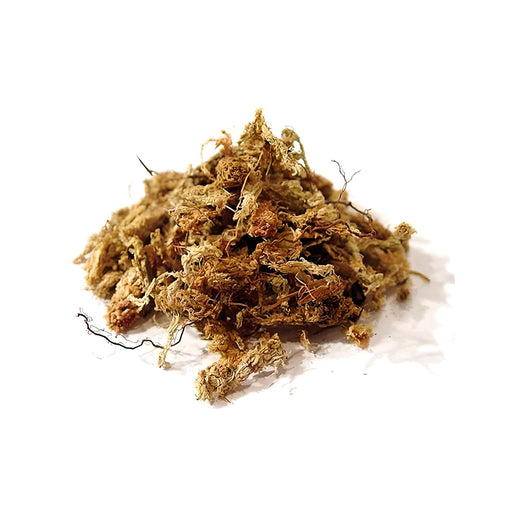


Cuttings and seedling cubes, trays of 24 to 150
Regular price
8,50 €
Regular price
Sale price
8,50 €
Unit price
/
per
These Eazy Plug cutting cubes are made of compressed organic materials, with a hole in the top, and supplied dry. After soaking, they take a seed or a cutting, then are transplanted whole, without disturbing the roots, into potting compost, coco fibre, rockwool or hydroponics.
100 % secure payment
The summary
- What they are: seedling and cutting cubes made from compressed organic materials, supplied dry.
- How to use them: a soak, then a seed or a cutting in the hole in the cube.
- Which size: trays of 24, 77 or 150 cubes, or a bag of 100 cubes.
- And then: the rooted cube is transplanted whole, into the grow medium of your choice.
Ready-to-plant organic medium to start seeds and cuttings, then transplant
For its first two or three weeks, a seedling or cutting needs a medium that holds water without suffocating the base of the stem. The Eazy Plug cubes meet this need in a ready-to-plant form. Each cube is made of compressed organic material based on coir, bound together, with a pH of 5.8 set during manufacture and a constant ratio of 20% air to 80% water. There is no compost to sieve and no pot to fill: the cube stands on its own, keeps its shape once wet and can be transplanted whole when the roots grow through it.
💧 From soaking to transplanting
The cubes arrive dry, which lets them keep for a long time in their sealed packaging. Before use, soak them briefly in water adjusted to pH 5.8, or in a mild nutrient solution for seedlings, then leave them to drain without squeezing them. The seed or cutting goes into the ready-made hole at the top of the cube. The medium holds a slight reserve of nutrients, which covers the first two to three weeks; after that, watering switches to a complete nutrient solution. Between feeds, leave about 3 days before re-wetting the cube, until roots appear, which they do through the cube of a cutting in 7 to 9 days. Once they show on the sides, the cube can be placed as it is in a pot of compost, coconut fibre, a block of rock wool or a hydroponic basket.
🌱 Four sizes for four uses
Tray of 24
The large cubes fit in a 28.5 by 19 cm tray, enough to start a batch of cuttings on a windowsill.
Tray of 77
The 51 by 29 cm tray slides into a standard propagation tray and kicks off a seedling season.
Tray of 150
Smaller cubes, packed tightly on the tray, suit large batches of seedlings of lettuce, cabbage and herbs.
Bag of 100
The large cubes supplied loose refill your own cell trays, with no need to buy more plastic every season.
In aquaponics as in hydroponics, your cube serves as a transition between germination and the system. A basil or lettuce seedling sprouted in an Eazy Plug is placed in a slotted grow pot, wedged in with clay pebbles, then moves to the grow bed without the plug falling apart. The moment of transfer also coincides with the end of the cube's nutrient reserve: after two to three weeks, it is the fish waste, converted into nitrates by the bacteria in the filter, that feeds the plant. Our article on getting spring seedlings off to a good start in aquaponics covers this move from seedling to system in detail.
Gentle warmth and a dome to get cuttings started
A cutting without roots quickly loses water through its leaves. Placed on a heated germination mat regulated by a thermostat at around 22 °C, since failures increase above 23 °C, and topped with a lid that keeps humidity at 80 to 95%, the tray maintains steady conditions around the cubes. You get roots sooner and a more uniform batch, especially in spring when the room stays cool at night.
A damp cube, never in standing water
The open structure of the cube lets excess water drain away, but a tray whose base stays waterlogged will eventually deprive the base of the stem of oxygen. After the initial soaking, wait until the cube feels lighter before watering again, from below if possible, and empty any water that stagnates at the bottom of the tray.
🧫 An organic, compostable medium
Eazy Plug cubes are fully compostable, in an ordinary compost heap, without needing an industrial composting site. Their pH and conductivity are set and buffered at manufacture, so two trays bought months apart behave in the same way. This consistency matters with seedlings, where a medium that is too salty or too acidic delays germination without you seeing the cause. The open structure of the cube retains a share of air even after watering, which makes overwatering hard to achieve, and a cube that has dried out rehydrates without difficulty. The cubes can be combined with rockwool, coconut fibre or peat, and are used in soil as well as in hydroponics, in ebb and flow or drip irrigation, and also in aquaponics.
🐟 The cube in an aquaponic system
Once rooted, the cube can go into any of the three main types of aquaponic growing system, provided you adapt how it is placed to the water flow rate. In a clay pebbles media bed, you simply push it in a few centimetres and the grow medium holds it in place. In raft or gutter culture, the cube goes into a slotted basket and is wedged with clay pebbles: an organic support exposed to a constant, strong current of water can gradually break down, and its fibres would end up in the filter or the pump. Preferably choose grow baskets whose diameter leaves a little room around the cube, so that the roots quickly reach the water. Before planting, give the rooted cube a quick dip in clean water, so that whatever remains of its nutrient reserve or of a starter solution does not end up in the fish water. The support then breaks down slowly over the course of the crop, without leaving any mineral particles in the tank.
🌡️ Storing the cubes before use
Dry cubes keep best in their sealed packaging, in a cool place, ideally below 20 °C, because a warm, humid room encourages mould on the surface. A light white fuzz on a cube that has been stored for a long time is harmless to you and to your plants, and it comes off when rinsed before soaking. An opened tray should be resealed or put in a bag, away from light and fungus gnats, which readily lay their eggs in organic media that have stayed damp. With these precautions, a tray of 77 or 150 cubes will see you through several waves of sowing over the season.
📦 In the parcel
Depending on the format chosen, you receive a tray of 24, 77 or 150 cubes ready to soak, or a bag of 100 large cubes to place in your own cell trays. The cubes arrive dry and light, which keeps the parcel weight down, and each one already has its planting hole at the top.
Technical specifications
The cube
- Material
- Compressed organic fibresCompostable, with no plastic around the cube
- Large cube
- 3.5 x 3.5 x 3 cmTrays of 24 and 77, pack of 100
- Planting hole
- Trained at the topFor a seed or a cutting
- Nutrient reserve
- 2 to 3 weeksThen, water with the nutrient solution
- Composting
- Ordinary compostWithout an industrial composting site
- pH
- 5.8, set at the factoryThe same behaviour from one tray to the next
Application
- Delivery
- Dry cubesLong shelf life in the sealed packaging
- Preparation
- Soaking, then drainingWater adjusted to pH 5.8
- Transplanting
- Whole cube, roots visiblePotting compost, coir, rockwool or hydroponics
- Tray of 77
- 51 x 29 x 4 cm
- Storage
- In a cool place, below 20 °CSurface mould comes off when rinsed
- In a raft or gutter
- In a basket, wedged with clay pebblesThe basket reduces wear on the cube from the current
4 further specifications are available in the detailed view.
In the box
- 24, 77 or 150 cubes per tray, or 100 cubes per bag, depending on the format you choose
Size, pH, air-to-water ratio, composting and the brand's instructions for use; coco base, nutrient reserve and tray dimensions from its distributors.
Manufacturer and product safety
- Manufacturer
- Eazy Plug
Information provided under Regulation (EU) 2023/988 on general product safety.
Estimate your
delivery time
Your estimate
Delivery
Estimated time
It covers preparing your order and then the transit time quoted by the carrier, counted in working days.
It is not a guaranteed delivery date: public holidays, peak periods, customs or a carrier delay can extend it. The exact amount, in your currency, is worked out in the cart once your address is entered.
The trays and the sachet are sent from a distributor's warehouse in France, as a light parcel. The exact shipping cost is shown in the basket.
Frequently asked questions
6 questions
6 key questions
You may also like


Related articles

Seedling
Getting spring seedlings off to a good start in aquaponics
The move from seedling to growing bed is described step by step.
Read the article

Seedling
Setting up an indoor seedling area
Heat, light and humidity are controlled there around the seedling trays.
Read the article

Diagnosis
Germination failure: causes and solutions
An overly damp growing medium is among the causes of damping off in seedlings.
Read the article

Crops
Herbs in aquaponics
Basil and mint cuttings are rooted there before being planted out.
Read the article

Equipment
Grow pots for aquaponics
It explains the diameter of the basket that holds the rooted cube.
Read the article

Grow media
Which grow medium should you choose in aquaponics?
The supports that then take the rooted cube are compared there.
Read the article
Let us talk about your project
A question about this product or your setup? Our team will answer and advise you.

Interest-free instalment payments
Offered depending on the cart amount, at checkout.

Delivery in 2 to 15 working days
Depending on the products and shipping sites. Estimate by destination in the estimator on this page.

After-sales service 7 days a week by email or chat
Our team answers all your questions.

Shop responsibly
Become part of the change.
