Many fruiting vegetables — plants grown for their fruit — can also be produced in aquaponics, although they require a little more attention. Solanaceous crops make up the bulk of them: tomatoes, peppers, chillies, and aubergines.
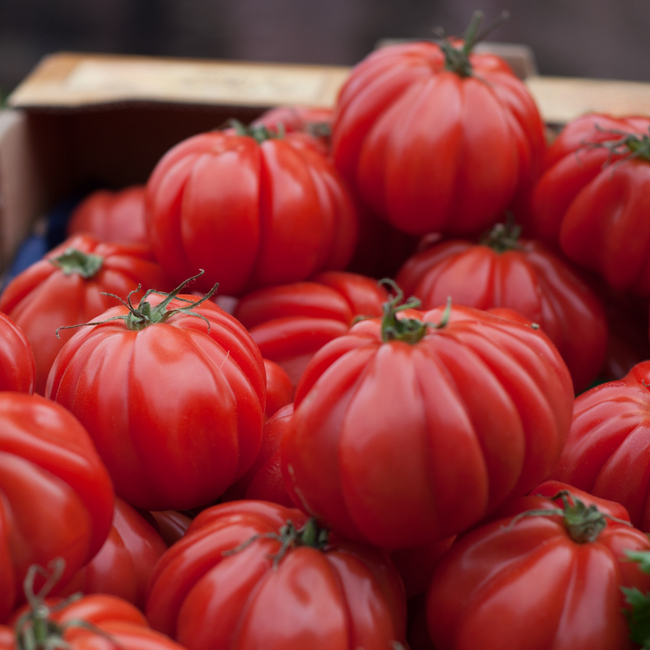
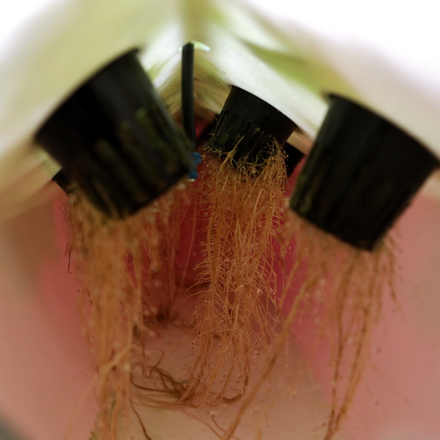
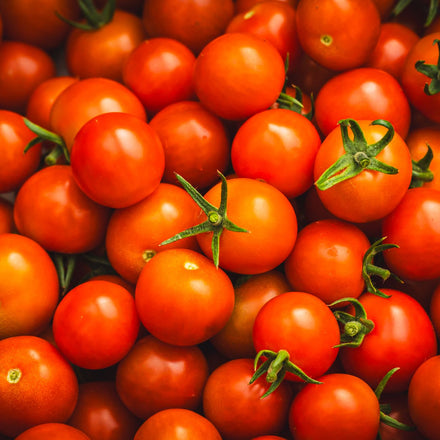
The tomato is the most widely grown of all. Cherry varieties and smaller-fruited types are easier to manage than large beefsteak tomatoes, as they reach maturity faster and tolerate a slight nutrient deficit more readily. Plan for sturdy staking, a grow medium bed rather than a raft system, and plenty of space, as the root system is substantial.
Peppers and chillies need warmth and time. They are excellent candidates for a greenhouse or a well-lit indoor space, where they can even overwinter and grow again the following year. Chillies, being more compact, are well suited to smaller systems.
The aubergine is the most demanding of the lot, both in terms of heat and nutrients. It performs very well in a greenhouse, in a deep grow medium bed, but remains a gamble in a young system or one with a small fish population. You can also add cucumber and courgette to the mix — highly productive, but hungry and bulky plants.
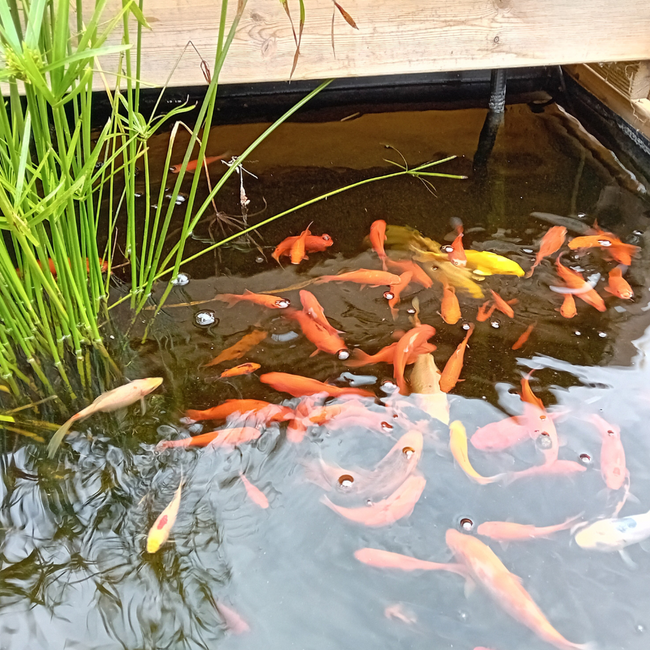
What all these crops have in common is their nutritional requirements, which are considerably higher than those of salad leaves or herbs. Make sure your fish population is producing enough waste to feed them, and keep a close eye on classic deficiencies in potassium, calcium, and iron, which often appear at fruiting time.
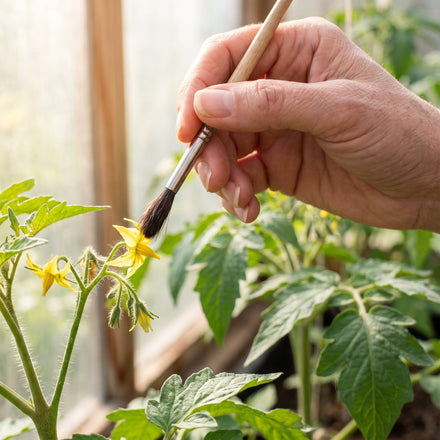
Two practices make a significant difference. The first is pollination: indoors, without insects or wind, a simple daily shake of the flowering stems, or a brush with a soft paintbrush, noticeably improves fruit set. The second is pruning: removing side shoots and limiting the number of flower trusses concentrates the available nutrients on what truly matters.