



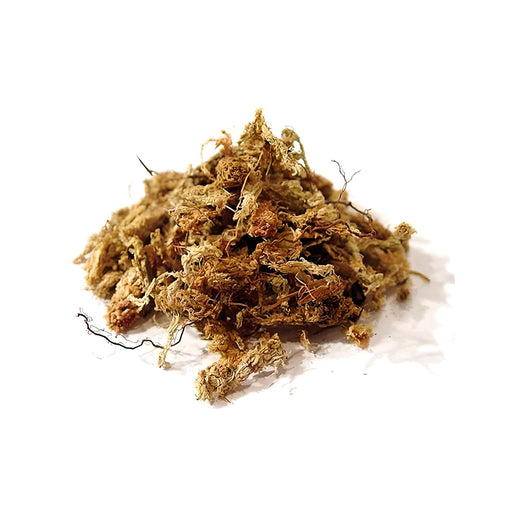

Compost enriched with worm castings for transplanted plants
Regular price
¥2,100
Regular price
Sale price
¥2,100
Unit price
/
per
| Volume | Price | Price per L | vs 20 L |
|---|---|---|---|
| 20 L | ¥2,100 | ¥105 | — |
| 50 L | ¥4,200 | ¥84 | −20 % |
¥700 × 3 with no fees
Klarna.
BioBizz All-Mix combines sphagnum peat, worm castings and perlite in a rich potting compost that feeds plants for 2 to 3 weeks after transplanting. It suits plants that are already established, in pots, trays or a greenhouse, from foliage through to flowering.
 Customer support 7 days a week by email
 Delivery within 2 to 15 business days
100 % secure payment
The summary
- Compost composition: sphagnum peat, worm castings and perlite, already fertilised.
- Richness: a conductivity of 2.2 to 2.4 mS/cm, meaning a marked fertiliser reserve.
- Before planting: moisten the compost and leave it to rest for 36 hours.
- First fertiliser: the reserve lasts 2 to 3 weeks after transplanting, then the fertiliser takes over.
- Aquaponic system: for pots and containers watered alongside, never in the grow bed.
- Choosing the bag: 20 L for a few pots, 50 L for a balcony or a greenhouse.
Rich potting compost for transplanting and growing the plants on to flowering
BioBizz's All-Mix is a rich potting compost of peat, worm humus and perlite, which feeds transplanted plants for 2 to 3 weeks without fertiliser. Moisten it 36 hours before planting, sow in Light-Mix instead, then switch to Bio-Grow. For an aquaponic grow bed, an inert medium is essential: this compost is best kept for pots.
At transplanting, a plant moves from a small pot to a much larger one and has to colonise a fresh volume of medium before it resumes growing. BioBizz All-Mix supports it through this stage with a reserve of nutrients far richer than that of a seedling compost. Its conductivity, 2.2 to 2.4 mS/cm, reflects this charge, which is enough to feed the young plant for 2 to 3 weeks without any other input. You then resume fertilising at watering, at the pace of the crop.
🪱 Worm castings in the mix
Sphagnum peat forms the base of the potting compost and retains water. Perlite, an expanded volcanic rock, keeps air between the particles and aids drainage. Worm humus, produced by earthworms digesting organic matter, supplies nutrients and a microbial life that helps to release them gradually. The pH, between 6.4 and 6.6, lies in the zone where most nutrients remain available to the plant. You can use it for plants in both growth and flowering, indoors or outdoors, preferably in pots of a good size where the reserve comes into its own.
The starting nutrition comes from the Pre-Mix, a dry organic fertiliser blended into the compost, rather than from mineral salts. This is why the measured conductivity looks high even though the nutrients are released slowly, as micro-organisms break down the organic matter. This activity depends on warmth and moisture: cold, waterlogged compost releases little, whereas warm, airy compost feeds your plants well. The mix also keeps a good water reserve, around 700 mL per litre of compost, while the perlite stops the roots from running short of air between waterings.
🌡️ Preparing the compost
Before the first planting, moisten the compost with clean water, without soaking it, then leave it to rest for 36 hours. This delay allows the incorporated fertiliser and the micro-organisms to get to work before the roots arrive. Preferably keep the bag or the filled pots in a mild room, as cold soil slows microbial activity and delays establishment. You can then transplant the plant: set the root ball level with the collar, fill in without firming too hard, then water once to bring the soil into contact with the roots.
Use a light compost for sowing before transplanting
A compost this rich is poorly suited to a germinating seed or a cutting without roots, which are more sensitive to salt concentration. Sow first in a light compost such as the Light-Mix from the same range, then transplant into the All-Mix as soon as the seedling has its first true leaves. This way you get the most from each mix at the moment it serves best, and the young plant arrives in the rich compost with roots able to make use of it.
No strong fertiliser during the first few weeks
Adding a concentrated fertiliser to an already rich compost can burn the roots, which shows as yellowed, dry or scorched leaf tips. Wait 2 to 3 weeks after transplanting before the first feed, then start with a low dose and increase it only if the plant turns pale.
On a long crop, such as a tomato grown from May to September, the reserve in the potting compost only covers the start. You then take over with Bio-Grow, at 2 ml per litre on this rich compost, then add Bio-Bloom when the first flower clusters appear. Before each round of feeding, a drop-based pH test tells you whether the watering water stays between 6 and 7. The worm castings that enrich this mix are the same amendment as that produced by a worm composter, as the article on vermicompost explains.
💧 Watering a living compost
Let the potting compost dry on the surface between waterings. This cycle draws fresh air into the grow medium each time the water drains away, which the roots and micro-organisms need just as much as the water itself. A pot watered while it is still heavy stays saturated, soil life slows down and the roots turn brown. Weigh the pot in your hand rather than following a calendar: a pot of 10 litres of damp compost weighs noticeably more than one that is ready for watering, and you quickly feel the difference. In summer, in a greenhouse, the rhythm can become daily for fruiting plants in full production.
🐟 Around an aquaponic system
In an aquaponic system, the roots sit in the fish water and draw up the nitrates produced by the filter bacteria. The grow bed therefore needs a inert, pH-neutral medium that does not alter the water quality, such as volcanic gravel or clay pebbles. A peat and humus compost meets neither of these conditions: the organic matter breaks down in the circulating water, clouds the pond, clogs the pipes and adds an organic load that the filter has to deal with. So keep All-Mix well away from the fish circuit.
It does, however, find its place alongside the system. Plants that you do not grow in a grow bed, such as trailing squashes, potatoes or fruit bushes, do well in large containers of rich potting compost. Plants intended for the system are started instead in an inert medium, in a slotted net pot filled with rockwool or coco fibre, then move into the grow bed about two weeks after their first true leaves, with no soil clinging to the roots. Worms, finally, are also used in aquaponics, but live in the grow bed, as the article on vermiponics explains.
🧺 20 and 50 litre bags
The 20-litre bag weighs about 5 kg and fills two 10-litre pots or one balcony planter. The 50-litre bag, at about 13 kg, fills a vegetable bed or five 10-litre pots for tomatoes. Keep the potting compost in its resealed bag, sheltered from frost and full sun, so that its microbial life stays active until use. The remainder of an opened bag can be reused to top up the surface of pots during the season, or mixed into a tired potting compost to restore its vigour before a new planting.
Technical specifications
The compost
- Composition
- Peat, worm castings, perliteSphagnum peat, worm castings and perlite
- Starter fertiliser
- Organic Pre-Mix incorporatedNo added mineral salts
- Conductivity
- 2.2 to 2.4 mS/cmMarked nutrient load
- pH
- 6.4 to 6.6
- Nutrient reserve
- 2 to 3 weeksAfter transplanting, before the first feed of fertiliser
- Water retention
- About 700 mL per litre
Use and sizes
- Preparation
- Moisten, wait 36 hIn a temperate room, before planting
- Stages
- Growth and floweringTransplanted seedlings, indoors and outdoors
- Volumes
- 20 or 50 L
- Weight
- 5.2 or 13.1 kg
2 further specifications are available in the detailed view.
In the box
- 1 bag of All-Mix compost, 20 or 50 L, depending on the size chosen
Composition, pH, conductivity and retention based on a retailer data sheet; preparation, reserve, Pre-Mix and weight based on the BioBizz 2026 page and technical data sheet; aquaponic growing medium based on the FAO.
Manufacturer and product safety
- Manufacturer
- Biobizz Worldwide S.L.
- Website
- biobizz.com
Information provided under Regulation (EU) 2023/988 on general product safety.
Documents & manuals
Document not showing? Some publishers block display inside a frame, so open it in a tab.
Estimate your
delivery time
Your estimate
Delivery
Estimated time
It covers preparing your order and then the transit time quoted by the carrier, counted in working days.
It is not a guaranteed delivery date: public holidays, peak periods, customs or a carrier delay can extend it. The exact amount, in your currency, is worked out in the cart once your address is entered.
The bag is sent from a distributor's warehouse in France, in a 4.5 kg parcel for 20 L and a 15 kg parcel for 50 L. The exact shipping cost is shown in your basket.
Frequently asked questions
6 questions
6 key questions
You may also like


Related articles

Compost
Vermicompost, a natural fertiliser
The worm castings in the mix are explained here, from the worms' digestion to the plant.
Read the article

Grow media
Which grow medium should you choose in aquaponics?
The inert supports used in the growing bed are compared here, as opposed to a potting compost.
Read the article

Crops
Growing tomatoes in aquaponics
Tomatoes, being hungry plants, benefit from a rich potting compost at transplanting.
Read the article

Crops
Growing peppers in aquaponics
The needs of the pepper are detailed there, stage by stage.
Read the article

Nutrition
Which fertiliser should you use in aquaponics?
This article helps you choose the fertiliser that takes over from the reserve.
Read the article

Diagnosis
Recognising deficiencies in aquaponics
A damaged leaf tells its own story here, whether the cause is a shortage or an excess.
Read the article
Let us talk about your project
A question about this product or your setup? Our team will answer and advise you.

Interest-free instalment payments
Offered depending on the cart amount, at checkout.

Delivery in 2 to 15 working days
Depending on the products and shipping sites. Estimate by destination in the estimator on this page.

After-sales service 7 days a week by email or chat
Our team answers all your questions.

Shop responsibly
Become part of the change.
