Greenhouses and outdoor aquaponics kits

Written by Ulysse Hay · August 30, 2025
Serre d'aquaponie installée en extérieur dans un jardin

What if your garden became a mini-ecological farm ? Thanks to greenhouses and outdoor aquaponics kits, you can produce your own sustainable food, completely independently.

Growing differently: greenhouses and outdoor aquaponics kits

Aquaponics is attracting growing interest from people looking for healthy food and environmentally responsible production. Not all setups serve the same purpose, though: an outdoor aquaponics kit generally supports small-scale production and is primarily of educational and recreational interest, whereas an aquaponic greenhouse opens the door to a far more ambitious level of food self-sufficiency. These two approaches offer very different experiences and are each worth exploring to determine which best suits your needs.

Before comparing them, one straightforward question cuts through to the heart of the matter: are you looking to understand and observe, or to produce a meaningful share of what you eat? The answer fairly clearly separates the two categories of setup and saves a great deal of disappointment. A kit chosen with self-sufficiency in mind will always fall short, whereas it would have been perfectly suited to a learning experience.

What is an outdoor aquaponics kit? A River In The Garden Aquaponics Kits : Taravo & Estéron

What is an outdoor aquaponics kit?

An outdoor aquaponics kit is a compact, ready-to-go solution designed for anyone who wants an easy introduction to this sustainable growing method. Set up in a garden, on a terrace or a spacious balcony, it turns a simple pond into a genuine productive ecosystem where fish and plants live alongside one another. More of a leisure project than a true food-production system, it appeals to hobbyists and curious gardeners who want to discover aquaponics while growing a few fresh vegetables and bringing their outdoor space to life.

In practice, a kit generally includes everything needed to get started: a watertight pond, one or more grow beds, a pump, the plumbing and the grow medium. All that remains is to fill it up, plug it in, start the nitrogen cycle and introduce the first fish. It's this ready-to-go nature that explains its popularity with those who have neither the time nor the inclination to design their own system from scratch.

Formats vary considerably. Some models sit at ground level like a raised planter, while others are built in modules that can be added to over time. The volume of the pond remains the key criterion: the larger it is, the more stable the water temperature and quality, and the more forgiving the system is of beginner mistakes.

What Is an Aquaponic Greenhouse? Aquaponics balcony greenhouse, 3.5 m²

What is an aquaponic greenhouse?

An aquaponic greenhouse is a setup designed to go well beyond simply discovering aquaponics. Larger and more comprehensive than a kit, it is aimed at those who want to move towards genuine food self-sufficiency. Inside a greenhouse, fish and plants develop in a protected environment, sheltered from bad weather, frost, or excessive rainfall. This ensures a far more consistent and predictable yield. Thanks to the heat built up during the day and retained by the structure, it is possible to extend growing cycles and even produce through winter in certain regions.

An aquaponic greenhouse is not limited to a few lettuces or herbs: it opens the door to growing a wide variety of vegetables — and even small fruit plants — while allowing fish to be raised in sufficient quantities to make a genuine contribution to a family's diet. This scale makes it a more ambitious and more demanding project, one that requires space, careful planning, and a larger upfront investment. In return, however, it offers greater food independence and an immersive experience within a complete ecosystem.

The greenhouse also changes your relationship with time. An outdoor kit follows the rhythm of the seasons, with an almost complete pause in winter. A greenhouse, on the other hand, runs all year round, which demands regular attention but also allows seedlings and harvests to be spread out rather than compressed into the summer months.

Aquaponics kit installed on a garden terrace, fish pond and planted grow beds

The advantages of outdoor aquaponics kits

An aquaponics kit installed outdoors does not serve the same purpose as a greenhouse. Its strength lies in its simplicity and accessibility. Easy to set up and maintain, these compact systems let you discover the principles of aquaponics without getting drawn into complex management. They turn a garden, a terrace, or even a large balcony into a living, interactive space where you can observe fish, grow a few vegetables, and get to grips with how an ecosystem works.

These kits are particularly appealing for enthusiasts looking for a balance between aesthetics and productivity. Unlike a purely decorative pond, they bring a food-producing dimension to the outdoor space. Even if harvests remain modest, the pleasure of watching your own plants grow and raising a few fish makes it a genuinely educational and enjoyable experience. They also help you build familiarity with the basics of water management, biological balance, and the nitrogen cycle — an ideal first step before potentially taking on a more ambitious project.

One final advantage that is often underestimated: reversibility. A kit can be moved, drained, and stored away, making it perfectly compatible with rented accommodation or a garden whose final layout has not yet been decided. A greenhouse, by contrast, is a permanent installation, with all the planning and groundwork that entails.

The Advantages of an Aquaponic Greenhouse

The advantages of an aquaponic greenhouse

The appeal of an aquaponic greenhouse goes far beyond the simple pleasure of growing. It provides a substantial growing area, protected from the unpredictability of the weather, and ensures greater stability of the key parameters essential to aquaponics. Thanks to this controlled environment, plants grow more quickly and fish thrive in safer conditions. The result is a productivity level considerably higher than that of an outdoor kit.

A greenhouse also provides genuine continuity of production. Whereas an outdoor kit remains at the mercy of the seasons and may slow down in winter, a greenhouse ensures regular output for much of the year. It thus becomes a powerful tool for working towards food self-sufficiency, reducing dependence on conventional supply chains, and committing to a more sustainable approach. By choosing the right fish species and vegetable varieties, it is possible to diversify production and provide a healthy, locally grown diet for an entire family.

A greenhouse also makes it far easier to manage water temperature, which remains the single most critical parameter in aquaponics. A sheltered pond heats up more slowly in summer and drops less sharply in winter, which considerably widens the range of fish species that can be kept and provides security during heatwaves — often more dangerous for fish than cold weather.

What budget should you allow?

What Budget Should You Allow?

Investing in aquaponics means matching your budget to your ambitions. An outdoor aquaponic kit typically costs between €1,500 and €6,500 depending on the size of the pond, the materials used, and the options included. Some simpler models can be hired, which reduces the outlay, and it is also possible to build your own system from individual components.

Aquaponic greenhouses represent a more substantial investment, ranging from €4,000 for entry-level structures to over €20,000 for larger ones. That higher cost reflects the more significant equipment involved and its capacity to support diversified, year-round production. The budget is therefore highly variable.

On top of the initial investment come running costs that are worth anticipating from the outset. The pump and aeration run continuously, fish feed needs replenishing, water tests and seeds recur every season, and any heating can weigh heavily on the bills. These items remain modest when spread across the year, but they do exist, and a well-thought-out project builds them in from the start rather than discovering them along the way.

Which species can be grown/raised outdoors?

Which species to grow/raise outdoors?

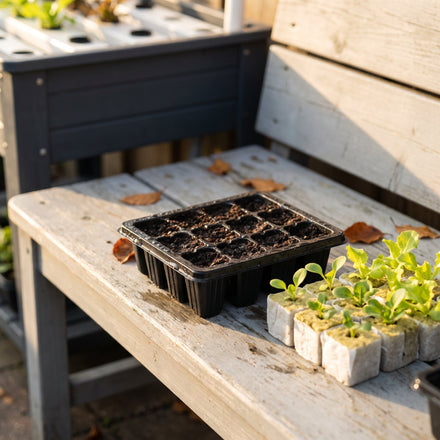
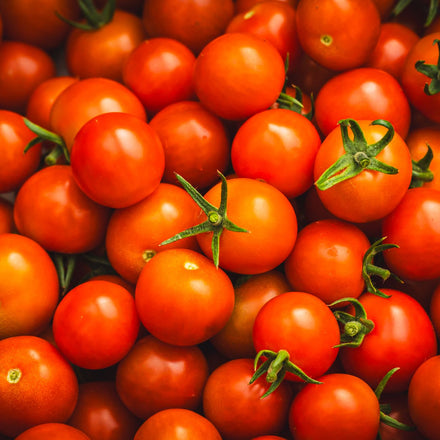
One of the greatest advantages of outdoor aquaponics is the variety of crops you can grow. In a kit system, the focus is often on easy, fast-growing plants such as salad leaves, herbs, or cherry tomatoes. That said, strawberries also work very well in this type of setup.

In an aquaponic greenhouse, the options expand considerably: you can grow more demanding crops such as aubergines, melons, cucumbers, or large-fruited tomatoes.

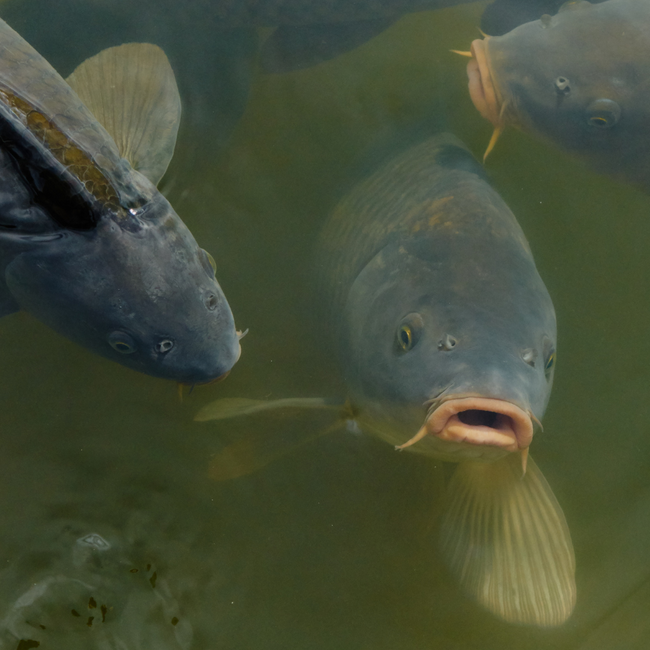
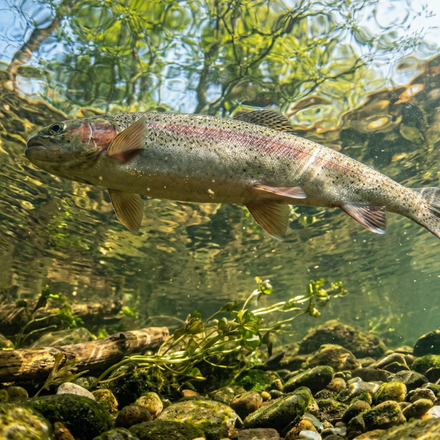
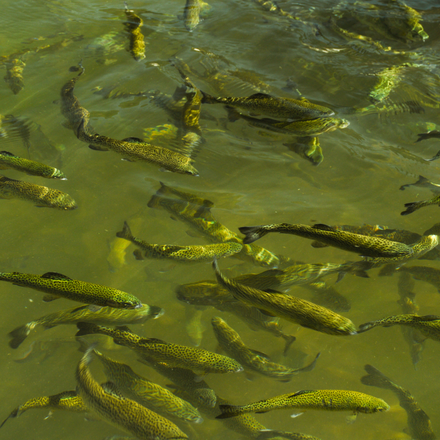
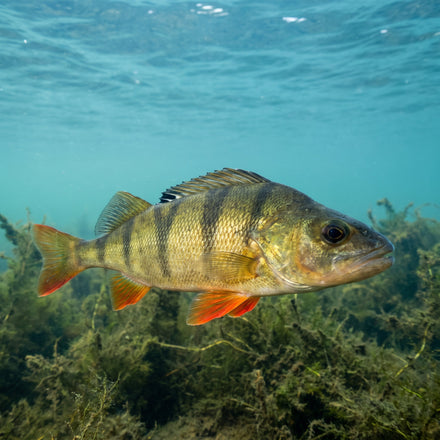
On the fish side, the choice depends on your climate and the volume of water available. Carp, trout, perch, zander, and even wels catfish can all be raised in aquaponics, giving you a wide range of options.

A simple principle guides these choices: start from what your water can realistically support. In an unheated kit, the water temperature closely follows the air temperature, which naturally points you towards hardy species — goldfish, koi carp, roach, or tench — and towards cool-season crops in spring and autumn. In a greenhouse, the temperature range widens, and with it the list of suitable candidates.

Finally, keep the regulatory framework in mind. Species commonly found in French waterways can be kept in a private pond without any particular formality, whereas an exotic species such as tilapia is only permissible in a fully enclosed installation, with absolutely no discharge into the natural environment.

The point about common species applies to France. Elsewhere, the list of fish that can be kept in a private pond without formality differs, and EU Regulation 1143/2014 also prohibits the keeping of certain species throughout the Union. Check with the fisheries authority in your country before ordering fish: the process is free and saves you from having to redo a purchase.
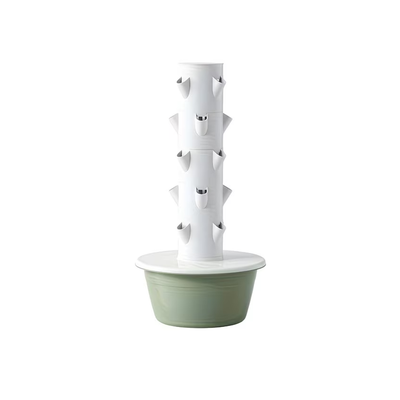
What challenges should you anticipate? Essential Pack : Aquaponics water analysis (NH4, NO2, NO3, pH, KH)

What Challenges Should You Anticipate?

Setting up an outdoor aquaponics system comes with challenges that need to be anticipated to ensure the whole thing works. Temperature fluctuations are one of the main difficulties: a small kit will be more sensitive to rapid changes, whereas a greenhouse offers better protection for crops by creating a more stable microclimate. Water balance also requires regular monitoring, particularly pH, oxygenation, and nutrient concentration.

Water quality is the one thing you should never stop paying close attention to, especially outdoors where conditions can change quickly. A heatwave causes dissolved oxygen to drop, a heavy downpour suddenly dilutes the pond, a few rotting dead leaves send ammonia levels climbing. Regular testing of ammonia, nitrites, nitrates, and pH is enough to catch a problem before it shows up in the fish. It is by far the most useful piece of equipment in an outdoor setup, and the least expensive.

Outdoors, pests can also be a real issue: birds, insects, rodents, or even cats and herons attracted by the fish. Simple protective measures such as nets, tunnel cloches, or reinforced shelters can help to limit these risks.

Overwintering also deserves careful preparation well in advance. A pond needs to be deep enough not to freeze solid, fish feeding drops off considerably in cold water, and the bacteria slow down too, which reduces nutrient production. That is not a problem in itself, provided it has been anticipated and you are not trying to produce at the same rate as in July.

Finally, it is worth keeping in mind that aquaponics relies on a fragile ecosystem that takes time to stabilise. Patience, consistency, and attentive monitoring are therefore essential to turn the experience into lasting success.

Conclusion:

Outdoor greenhouses and aquaponics kits serve different purposes. A kit, simple and enjoyable, lets you discover aquaponics and produce a little for the pleasure of it. A greenhouse, a more ambitious undertaking, opens the door to genuine, lasting food self-sufficiency.

There is no need to make a definitive choice from the outset. Many people start with a kit to learn the ropes, then move on to a greenhouse once they know precisely what they want to grow and how much time they can dedicate to it. The kit is not money wasted — it is an education.

The decision will depend on budget, available time, and individual expectations. Between the variety of species that can be grown and the challenges of maintaining system balance, outdoor aquaponics remains above all an enriching experience that brings you closer to nature and restores meaning to the act of growing your own food.

Sources

ITAVI et APIVA, Réglementation et aquaponie, Aurélien Tocqueville, Salon Aquaponie 2020, Declaration and authorisation thresholds in France, and exclusion of the recirculated circuit from organic certification.

SMIDAP, Étude de la faisabilité technico-économique d'un pilote d'aquaponie dans les Pays de la Loire, 2018, Feedback from a 120 m2 unheated tunnel, run with alternating trout and pike-perch.

Virginia Tech, Calculating and Using Daily Light Integral (DLI): An Introductory Guide (SPES-720), Eric Stallknecht, Daily light requirement for lettuce and the supplementary lighting duration needed.

Barbosa et al., Comparison of Land, Water, and Energy Requirements of Lettuce Grown Using Hydroponic vs. Conventional Agricultural Methods, IJERPH 12(6), 2015, Measured energy cost of soilless greenhouse cultivation compared with open-ground growing.

Oklahoma State University Extension, Recirculating Aquaculture Tank Production Systems: Aquaponics, Integrating Fish and Plant Culture, Feed rate per square metre and the volume ratio between pond and grow medium bed, for sizing an expansion.

Frequently asked questions

Rarely. The pond must remain frost-free to a sufficient depth, and the pump as well as any exposed pipes will crack after just one prolonged overnight frost.

Light often matters more than heat. The SPES-720 guide from Virginia Tech puts a lettuce plant's requirement at around 12 to 17 moles of light per square metre per day, and shows that a supplementary light set to 200 µmol per square metre per second needs to run for roughly eleven hours to reach fifteen moles. In December at our latitudes, an unlit greenhouse falls well below this threshold, which explains crops that don't die but simply stop growing.

Adding heating and lighting comes with an energy cost that must be faced squarely. A study by Barbosa et al. published in IJERPH in 2015 measured, for lettuce, 90,000 kJ per kilogram per year in hydroponic greenhouse production against 1,100 kJ in open-field growing — a factor of around 82. The gains in water use and yield come at the price of electricity.

An alternative exists and is well documented. The Loire Valley pilot project monitored by the SMIDAP was run in a 120 m2 plastic tunnel with no heating or ventilation equipment whatsoever, by matching species to the season — rainbow trout for the winter cycle and pike-perch for the summer cycle. Fitting species to the climate costs far less than forcing the climate.

Product data sheets tend to highlight footprint and plant count — rarely the factors that actually determine success. Five points are worth asking the supplier about in writing.

  • The tank's actual usable water volume, not its overall capacity.
  • The growing area expressed in square metres, the only figure that lets you calculate the stocking load.
  • The type of plastics in contact with water and whether they are food-safe.
  • The availability of wear parts: pump, impeller, seals, and timer.
  • The mechanical filtration volume, often the missing link in small starter kits.

A kit that is properly documented on these five points is straightforward to manage. One that only gives you a litre count and attractive photographs will leave you improvising the moment something goes wrong.

Aurélien Tocqueville's presentation for the ITAVI notes that there is no regulatory framework specific to aquaponics and that the fish farming framework is used instead. An installation with a production capacity below twenty tonnes falls under a declaration requirement under water law; above that threshold, ICPE authorisation applies. A domestic system is well below these thresholds, but any project intended for sale must address the question from the outset.

Two points often come as a surprise. Water abstraction has its own thresholds, and organic certification is closed to recirculating aquaculture systems, with the exception of hatcheries and nurseries. It is also worth noting that our shop does not sell live fish; stocking is done through licensed fish farms.

Yes, provided you expand the growing area and the filtration at the same time as the pond, not the pond alone. Oklahoma State University's extension programme gives the benchmark that underpins any expansion: roughly 60 to 100 grams of feed per square metre of growing area per day in deep water culture, and approximately one quarter of that level for a gravel bed or an NFT gutter. It also offers a simple volume ratio for gravel beds: one volume of fish tank to two volumes of grow medium.

In practice, doubling the number of fish without doubling the growing area produces excess nitrates, cloudy water, and plants unable to absorb the load. A system should be scaled up in stages, allowing several weeks for the bacterial colony to catch up.

A net stretched a few centimetres above the water remains the most effective protection, but only if it is kept taut — a slack net simply becomes a trap. Above all, provide a deep zone and a submerged shelter: tiles, large-diameter pipes or floating plants, because a fish that has somewhere to hide is rarely taken. Wires stretched around the perimeter deter the heron, which lands on the ground and walks towards the edge.

Read next

Salmonponics: aquaponics in cold water

Salmonponics: aquaponics in cold water

Aquaponics is often associated with pond fish like goldfish and koi. However, there is a variant perfectly suited for our temperate regions, cool climates, and winters : salmoponics. Trout, char, brook trout, these iconic

Read the article
Is aquaponics suitable for animal welfare ?

Is aquaponics suitable for animal welfare ?

We often talk about what aquaponics produces. But rarely about what the fish that make it work experience. Are they simply tolerated in a system designed for production, or can aquaponics truly respect their

Read the article
What to sow in autumn in aquaponics

What to sow in autumn in aquaponics

Autumn is not the end of the growing season — it is the start of the most peaceful one. Here is what to sow, when to do it and how to achieve leaf harvests

Read the article
Growing tomatoes in aquaponics

Growing tomatoes in aquaponics

Hungry for nutrients and a lover of warmth, the tomato finds aquaponics an ideal growing environment. This comprehensive guide takes you from choosing a variety through to harvest, covering pH, hand pollination, and pruning,

Read the article
Raising tilapia in aquaponics

Raising tilapia in aquaponics

Tilapia is the most widely farmed fish in the world in aquaponics, renowned for its hardiness and rapid growth. Understanding its actual requirements in terms of temperature, volume and feeding is the key to

Read the article
Raising perch in aquaponics

Raising perch in aquaponics

The common perch is the predatory fish of European temperate waters: hardy, with sought-after flesh, and perfectly suited to aquaponic systems in temperate climates. Here is how to raise this fish, the temperatures to

Read the article