



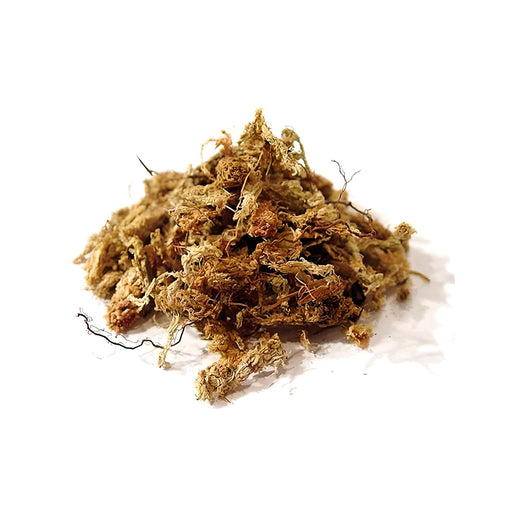


Pietra pomice per orticoltura in granuli da 3 a 6 mm
Prezzo normale
16,90 €
Prezzo normale
Prezzo promozionale
16,90 €
Prezzo unitario
/
per
| Format | Prezzo | Prezzo per L | vs 20 L |
|---|---|---|---|
| 20 L | 16,90 € | 0,85 € | — |
| 33 L | 24,90 € | 0,75 € | −12 % |
La pietra pomice è una roccia vulcanica alveolare, leggera e chimicamente stabile, i cui granuli da 3 a 6 mm drenano, arieggiano e trattengono allo stesso tempo l'acqua. Serve come substrato per semenzai, talee e cestelli di coltura idroponica o acquaponica, e alleggerisce le vostre miscele di terriccio. Il sacco da 33 L pesa circa 25 kg.
 Assistenza clienti 7 giorni su 7 via e-mail
 Consegna entro 2-15 giorni lavorativi
Pagamento sicuro al 100 %
Il riepilogo
- Granulometria: granuli di pietra pomice da 3 a 6 mm, in sacchi da 20 L o da 33 L.
- Cosa apporta: una porosità dall'80 all'85 % del volume, divisa tra aria e acqua trattenuta.
- Il pH: da 7 a 8, senza calcare attivo, per cui non fa aumentare il pH della vostra acqua.
- Sistema acquaponico: riempie i cestelli di coltura e si mescola a granulati da 8 a 20 mm in un letto.
- Quale formato: 20 L per i semenzai e qualche vaso, 33 L per le cassette e le miscele.
- Prima dell'uso: un risciacquo con acqua pulita elimina le polveri ed evita di intorbidire l'acqua.
Granuli vulcanici da 3 a 6 mm per semenzai, talee e coltura fuori suolo
La pietra pomice orticola in granuli da 3 a 6 mm è una roccia vulcanica leggera, porosa all'80-85 %, con pH 7-8. Sciacquata, riempie semenzai, talee e cestelli di coltura, oppure alleggerisce un terriccio. Venduta in sacchi da 20 o 33 L, completa in un letto acquaponico gli aggregati da 8 a 20 mm.
Pumice is born of explosive volcanic eruptions, when the gases dissolved in lava expand suddenly. The rock, cooled too fast to crystallise, has kept these bubbles in the form of a glassy mineral foam, threaded with fine channels that connect with one another and with the outside. Crushed and graded into grains of 3 to 6 mm, it becomes a light, stable grow medium that does not break down and that you can reuse from one crop to the next.
🌋 A rock full of air
The total porosity of horticultural pumice reaches 80 to 85% of its volume. At rest, 45 to 55% of the volume remains occupied by air, while 30 to 35% retains water, so your roots find both the oxygen and the moisture they need. A dry grain absorbs roughly its own weight in water, then releases it slowly, which spaces out the watering of a pot without ever waterlogging it. Its cation exchange capacity, of around 30 meq per 100 g, also allows it to retain some of the positively charged nutrients, such as potassium or calcium.
The pH of pumice is between 7 and 8, and the rock contains no active limestone. It therefore does not release carbonates into the water, unlike limestone gravel, which makes it suitable for a nutrient solution as well as for the water of a fish system. The 33 L bag comes from an Italian horticultural pumice quarry. The guide to choosing a grow medium for aquaponics places pumice among the other aggregates.
🐟 Pumice in aquaponics
In aquaponics, the 3 to 6 mm grains are used first of all to fill the grow baskets of gutter and deep water culture systems, where they hold the crown of the plants above the water while letting the roots pass through. They are also suitable for seedlings and cuttings that you then transplant into the system. For a flooded grow bed, the FAO aquaponics manual recommends aggregate of 8 to 20 mm. This fine grade is therefore mixed there with a coarser aggregate, because a thick layer of small grains packs down and holds more water between drain-downs. Its pores also give nitrifying bacteria a surface area of 200 to 300 m² per cubic metre, on which they convert the fish's ammonium into nitrate for your plants.
Grow baskets filled with pumice
In a gully or deep-water system, each plant sits in a slotted basket that needs weighting and stabilising. The 3.5 to 14 cm hydroponic grow pots, filled with 3 to 6 mm pumice, hold the root plug in place without retaining too much water around the crown. You can transplant your plants in just a few movements, and the pumice can be recovered, rinsed and reused for the next crop.
Rinse the pumice before filling with water
The bags contain rock dust left over from crushing. Rinse the grains in a bucket or a sieve until the water runs clear, then leave them to soak for a few hours before putting them in place. Otherwise the dust would cloud the water in your system and end up in the pump.
These pores make pumice a biofilter, whose volume is sized according to the fish feed ration. Allow roughly 1 L of volcanic gravel per gram of feed given each day, compared with 0.5 L for plastic media designed for filtration. A 33 L bag therefore provides the surface area needed for around 33 g of feed per day, which is the ration for about 0.7 m² of lettuces, since a bed of leafy vegetables receives 40 to 50 g of feed per square metre per day. In a NFT or deep water system, where the baskets hold only a few handfuls of pebbles, this role falls to a separate biofilter, which the pumice can also fill.
The pH governs the work of these bacteria. Nitrification works best above pH 7.5 and stops below 6, whereas plants prefer more acidic water, so aquaponic systems are run at around 6.8 to 7.0, with an alkalinity of at least 100 mg/L of CaCO3. As nitrification gradually acidifies the water, the pH tends to fall over the weeks. Pumice, which does not release carbonates, keeps this drift easy to read, and you correct it by alternating small doses of hydrated lime and potassium hydroxide, which also supply calcium and potassium to the plants. The article on regulating pH in aquaponics covers these corrections in detail.
🪴 Seedlings, cuttings and mixes
On its own, pumice works as a grow medium for cuttings and seedlings: it stays airy, does not compact and does not encourage collar rot. Mixed with potting compost or coco fibre, it lightens the grow medium, improves pot drainage and limits settling over repeated watering. One part pumice to two or three parts compost already gives a noticeably freer-draining mix for potted plants, herbs and succulents; you can then adjust the proportion to suit the plant and how often you water. For a compost that also needs to hold a reserve of water and cations, zeolite can be mixed in the same way, at 10% of the volume.
♻️ Reusing pumice
Being mineral, pumice does not degrade over time and does not lose its structure. After a crop, remove the roots, rinse the grains thoroughly, then leave them to dry before storing them. The 33 L bag, which weighs around 25 kg straight from the quarry, becomes noticeably lighter once the grains are dry, since the bulk density of dry pumice falls to 430 to 530 kg per cubic metre. In hydroponics, where pumice supplies no nutrients, a longer rinse between two crops flushes out the salts of the previous solution left in the pores, before you start afresh with a new solution prepared with a hydroponic fertiliser.
Caratteristiche tecniche
La pietra pomice
- Natura
- Roccia vulcanica alveolareEspansa naturalmente durante l'eruzione
- Granulometria
- 3 a 6 mm
- pH
- 7 a 8Senza calcare attivo, non libera carbonati
- Porosità totale
- Dall'80 all'85 % del volumeDi cui il 45-55 % di aria a riposo
- Ritenzione idrica
- Dal 30 al 35 % del volumeCirca 100 g di acqua assorbiti ogni 100 g di pomice asciutta
- Capacità di scambio
- Circa 30 meq/100 gTrattiene una parte del potassio e del calcio
- Superficie per i batteri
- 200 – 300 m²/m³Supporto della nitrificazione, in letto o in biofiltro
- Dimensioni di un letto acquaponico
- Miscela con 8 a 20 mmDa solo, questo calibro fine si compatta in uno strato spesso
Da prevedere in più
- Cestelli di coltura
- Vasetti forati da 3,5 a 14 cmPer i sistemi a canalette e in acqua profonda
- Fertilizzazione
- Fertilizzante idroponicoLa pomice non apporta elementi nutritivi in idroponica
2 caratteristiche aggiuntive sono disponibili nella vista dettagliata.
Nella confezione
- 1 sacco di pietra pomice in granuli da 3 a 6 mm, da 20 o 33 L a seconda del formato scelto
Natura, pH, porosità, ritenzione idrica, capacità di scambio e densità secondo la scheda tecnica EuroPomice della pomice per l'orticoltura (marzo 2024). Superficie colonizzabile e calibro consigliato nel letto: manuale FAO di acquaponica su piccola scala.
Produttore e sicurezza del prodotto
- Produttore
- Europomice S.r.l.
- Indirizzo postale
- Via Napo Torriani, 1
20124 Milano
Italie - Contatto
- info@europomice.it
- Sito web
- www.europomice.it
Informazioni fornite ai sensi del regolamento (UE) 2023/988 relativo alla sicurezza generale dei prodotti.
Quale sacco di pietra pomice scegliere?
La stessa granulometria da 3 a 6 mm, in sacco da 20 L o da 33 L.
20 o 33 L?
Tre domande rapide, e la tabella si evidenzia.
| Volume (L) | Peso indicativo (kg) | Uso consigliato | Prezzo | |
|---|---|---|---|---|
| 20 LLa sua scelta | 20 L | 14 kg | Semenzaio, talee, cestelli | 16,90 € |
| Consigliato 33 LLa sua scelta | 33 L | 25 kg | Vasche e miscele | 24,90 € |
20 L
Il sacco
Volume (L)20 L
Peso indicativo (kg)14 kg
Uso consigliatoSemenzaio, talee, cestelli
33 LConsigliato
Il sacco
Volume (L)33 L
Peso indicativo (kg)25 kg
Uso consigliatoVasche e miscele
Volumi letti sui sacchi, pesi stimati in base alla densità pubblicata da EuroPomice.
Guida alla scelta
Tre domande per scegliere il vostro sacco
Stimi la sua consegna
La tua stima
Consegna
Tempo stimato
Copre la preparazione del tuo ordine e la consegna indicata dal corriere, calcolate in giorni lavorativi.
Stima indicativa. L'importo esatto viene calcolato nel carrello.
The exact shipping cost is calculated at checkout, based on the total weight of your order and the destination. Lead times start from dispatch and remain estimates. For a destination not listed here, write to us at contact@univers-aquaponie.com.
Domande frequenti
8 domande
6 domande essenziali, 8 nella vista dettagliata
Potrebbe piacerti anche


Articoli correlati

Guida
Quale substrato scegliere in acquaponica?
Questo articolo colloca la pietra pomice tra gli inerti di un letto di coltivazione.
Leggi l'articolo

Idroponica
Metodo Kratky: l'idroponica passiva senza pompa
I cestelli riempiti di pomice vanno bene per questa coltura senza pompa.
Leggi l'articolo

Idroponica
Iniziare con l'idroponica in casa
Questo articolo spiega come avviare i semenzai fuori suolo in casa.
Leggi l'articolo

Guida
Il ciclo dell'azoto in acquaponica
Gli alveoli della pomice ospitano i batteri di questo ciclo.
Leggi l'articolo

Colture
Quali piante coltivare in acquaponica?
La scelta delle piante guida quella del substrato e del calibro.
Leggi l'articolo

Guida
Acquaponica e idroponica, qual è la differenza?
La pomice si usa in entrambe le tecniche, con una fertilizzazione diversa.
Leggi l'articolo
Parliamo del suo progetto
Una domanda su questo prodotto o sul tuo impianto? Il nostro team ti risponde e ti consiglia.

Pagamento a rate senza costi aggiuntivi
Proposto in base all'importo del carrello, al momento del pagamento.

Consegna in 2-15 giorni lavorativi
In base ai prodotti e ai luoghi di spedizione. Stima per destinazione nello stimatore di questa pagina.

Assistenza 7 giorni su 7 via e-mail o chat
Il nostro team risponde a tutte le tue domande.

Fai un acquisto responsabile
Diventa protagonista del cambiamento.
