Can we achieve food self-sufficiency with aquaponics ?

Written by Tristan Ulrich · September 8, 2025
Production vivrière en aquaponie pour l'autonomie alimentaire

Can aquaponics achieve food self-sufficiency ? This question questions the ability of this sustainable system to produce enough vegetables and fish to meet the needs of a family or community. Understanding the strengths and limitations of aquaponics allows us to assess its true potential for food self-sufficiency.

Can we achieve food self-sufficiency with aquaponics ?


Food self-sufficiency is a goal increasingly shared by those who wish to reduce their environmental impact, preserve their health, or free themselves from dependence on traditional food systems. Among the solutions being considered, aquaponics occupies a special place. By combining fish farming and plant cultivation in a single virtuous ecosystem, it promises to produce locally, sustainably, and without pesticides. But is it really enough to feed a household independently ?

Food self-sufficiency: a complex ideal

Food autonomy : a complex ideal

Achieving food self-sufficiency doesn't simply mean growing a few salads on your balcony or planting two rows of tomatoes in your garden. It's a much broader goal, one that involves the ability to cover a large portion, if not all, of a family's nutritional needs, consistently throughout the year.

This involves producing sufficient quantities, but also ensuring a balanced dietary diversity. Human needs are not limited to fruits and vegetables. To achieve this, a household must not only know how to produce, but also how to process, preserve, and plan. Drying, canning, and freezing are becoming essential allies for extending the shelf life of food. Self-sufficiency also requires organization : thinking through production cycles, anticipating periods of lower yields, balancing the intake of animal and plant proteins, and diversifying crops sufficiently to avoid food fatigue. In other words, aiming for food self-sufficiency requires a real strategy, not simply an accumulation of occasional harvests.

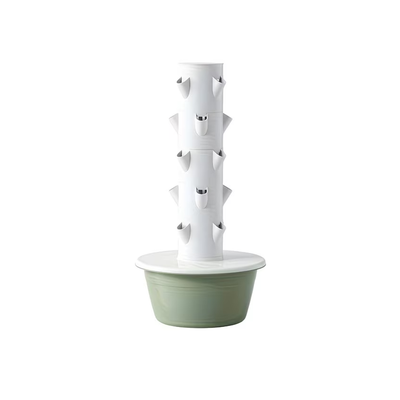
What aquaponics can realistically offer Glaez Aquaponics Kit : Naps

What aquaponics can genuinely offer

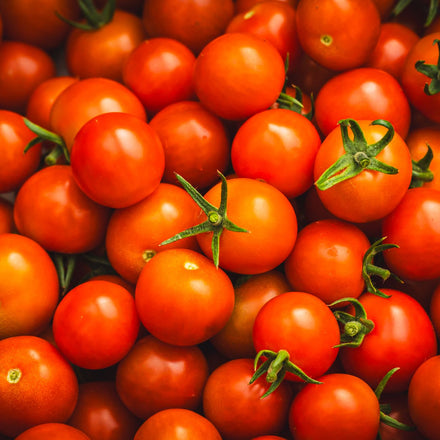
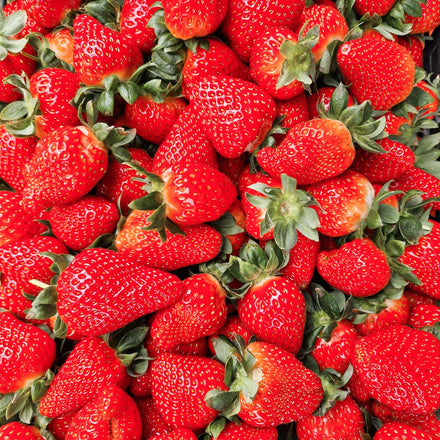
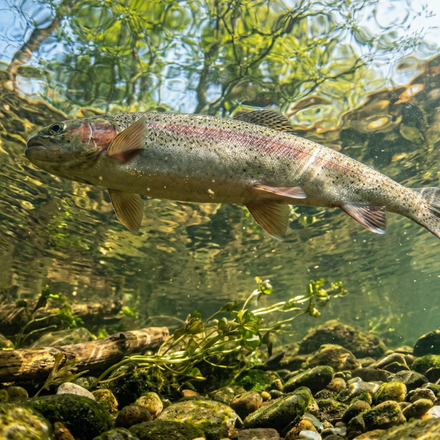
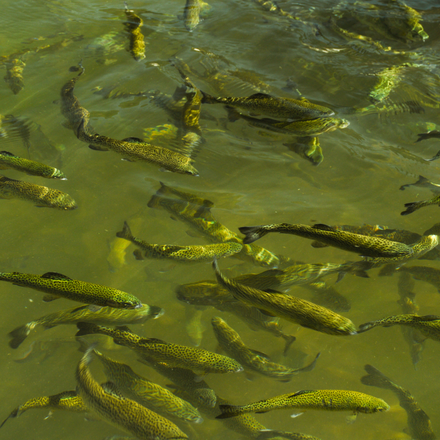
In this context, aquaponics appears to be an innovative and promising solution. In concrete terms, aquaponics allows for the production of two essential food categories. On the one hand, fish (tilapia, trout, pikeperch, carp, and catfish) are an excellent source of complete animal protein, rich in amino acids and easy to process (smoking, freezing, canning). On the other hand, plants grow quickly and abundantly : lettuce, tomatoes, cucumbers, peppers, aromatic herbs, and strawberries find an ideal environment in this system. Yields are often higher than those obtained in traditional vegetable gardens, with accelerated growth and water consumption reduced by 80 to 90%.

For a household seeking autonomy, having such a tool ensures a regular source of fresh vegetables and protein, two major pillars of a balanced diet. It is therefore a particularly interesting lever, which can quickly become a major asset in a transition towards self-sufficiency.

The limitations of an exclusively aquaponic system

The limits of an exclusively aquaponic system

Despite its many advantages, aquaponics alone cannot ensure complete food self-sufficiency. It does not cover all nutritional needs and has certain limitations.

First, aquaponics is not suitable for the production of complex carbohydrates. Grains such as wheat, rice, or corn, as well as legumes, cannot be grown efficiently in this type of system. However, these foods represent a fundamental energy source in the human diet.

Finally, aquaponics requires an external supply for feeding the fish. Most systems operate with commercially purchased pellets. While some alternatives exist, such as insect farming, vermicomposting, and organic waste recovery, it remains difficult to completely avoid this dependency. Food self-sufficiency therefore means also considering autonomy in the input production chain.

Aquaponics within a wider self-sufficiency system Large capacity worm composter : 64 liters

Aquaponics within a broader self-sufficiency system

To overcome these limitations, aquaponics must be viewed not as a single solution, but as part of a larger system. It is by combining different agricultural and food practices that a household can move closer to true self-sufficiency.

An open-ground vegetable garden, for example, perfectly complements aquaponics. It allows you to grow root vegetables, legumes, and certain extensive crops that cannot be produced in water. A chicken coop provides a regular source of eggs, while also contributing to the compost cycle thanks to droppings and food scraps. Growing mushrooms, microgreens, or spirulina further enriches the diversity of nutritional intake. And to go further, integrating an energy dimension, solar panels, wood, and biogas, powers the pumps, lighting, and heating required by certain aquaponic systems, thus strengthening overall independence.

In reality, aquaponics functions as a central pillar in a food self-sufficiency strategy. It provides freshness, protein, and yield, while other practices supplement what's lacking. It's this synergy that creates a resilient and sustainable domestic ecosystem.
Aquaponics training: E-learning Germiponie Aquaponics Training : Germiponie E-learning

A demanding but accessible project

Of course, aiming for food self-sufficiency through aquaponics requires a certain level of commitment. This type of project cannot be improvised : it requires time, skills, and resources.

On a daily basis, an aquaponic system requires regular management : feeding the fish, monitoring water quality, maintaining the pumps, and harvesting the plants. On a technical level, you need to master biology, animal and plant nutrition, and sometimes even some DIY skills to maintain the equipment. Logistically, you need to have sufficient space, at least ten square meters optimized, and accept a sometimes substantial initial investment, particularly for the purchase of ponds, pumps, substrates, and measuring equipment.

But these constraints shouldn't discourage people. Many passionate and motivated people have succeeded in setting up efficient and productive systems. Aquaponics requires a gradual learning curve, but it remains accessible to anyone willing to get involved and adapt their lifestyle.

Conclusion

Aquaponics alone cannot achieve complete food self-sufficiency. But it represents a powerful lever for transition. By producing both animal protein and fresh vegetables, it covers a significant portion of a household's needs and significantly reduces dependence on traditional food chains.

Combined with other cultivation and livestock practices, it is part of a resilient, sustainable model adapted to current challenges. More than a single solution, aquaponics is a pillar in building a self-sufficient lifestyle. It embodies a modern, ecological, and concrete response to the issue of food independence, and paves the way for new ways of producing and consuming.

Sources

Barbosa et al., Comparison of Land, Water, and Energy Requirements of Lettuce Grown Using Hydroponic vs. Conventional Agricultural Methods, IJERPH 12(6), 2015, Measured figures for water, yield and energy between soil-free cultivation and growing in the ground.

Tsoumalakou et al., Precise Monitoring of Lettuce Functional Responses to Minimal Nutrient Supplementation, Agriculture 12(8), 2022, Lettuce yields recorded in aquaponics according to iron and potassium supplementation.

SMIDAP, Étude de la faisabilité technico-économique d'un pilote d'aquaponie dans les Pays de la Loire, 2018, Growing and rearing areas required for economic viability, and observed water savings.

UF/IFAS Extension, A Practical Guide for Aquaponics as an Alternative Enterprise (HS1252), Richard Tyson and Eric Simonne, Sensible fish stocking density and daily rations expressed as a proportion of live weight.

Goddek et al., Challenges of Sustainable and Commercial Aquaponics, Sustainability 7(4), 2015, Current research on economic viability and feed rate ranges per square metre of growing area.

ITAVI et APIVA, Réglementation et aquaponie, Aurélien Tocqueville, Salon Aquaponie 2020, Fish farming status, declaration thresholds, and regulatory grey areas regarding sales.

Frequently asked questions

Allow a few minutes each day for feeding and observation, then one to two hours per week for water testing, seedlings, and general maintenance.

Published figures place lettuce yields in aquaponics at between 1.2 and 2.6 kg per square metre per cycle, depending on mineral supplementation, according to the study by Tsoumalakou et al. published in Agriculture in 2022. With successive cycles over a season, one square metre of growing area therefore yields a few kilograms — not a few tens of kilograms.

The comparison with soil cultivation remains very favourable. Barbosa et al. measured lettuce yields of 41 kg per square metre per year in hydroponics against 3.9 kg in open ground — a ratio of approximately eleven to one. However, these yields are achieved in a heated and artificially lit greenhouse, under conditions that a domestic system rarely replicates throughout the year.

The most meaningful benchmark comes from the French pilot scheme monitored by the SMIDAP, which puts the economic viability threshold at approximately 31 m2 of usable rearing area and 127 m2 of usable growing area. A domestic system of a few square metres therefore operates in an entirely different league — it provides fresh produce and consistency, not full household self-sufficiency.

The main article makes clear that fish feed remains the primary dependency. Several other inputs can nonetheless be sourced locally without much difficulty.

  • Top-up water, by collecting rainwater that is filtered and stored away from light.
  • Seeds and seedlings, by saving your own seed parents from one season to the next.
  • A portion of the fish ration, through worm castings, insect larvae, or duckweed, as a supplement rather than a replacement.
  • Buffering minerals, calcium carbonate and crushed shells, which offset the acidification caused by nitrification.
  • Electricity for the pumps, via a small photovoltaic array with a buffer battery.

A complete, balanced fish feed remains difficult to formulate at home, however, since it directly determines fish health and the nitrogen content of the water. Partial substitution is realistic; full substitution requires the expertise of a nutritionist.

Yes, and the gap is significant. For lettuce, Barbosa et al. measured 90,000 kJ per kilogram per year in hydroponics under a greenhouse versus 1,100 kJ in open ground — roughly 82 times more — with water consumption of 20 litres per kilogram per year compared to 250 litres. The measurement relates to a soil-less system in a greenhouse in Arizona, not a domestic pond, but the trend is structural: the pump and the controlled climate run continuously.

The practical implication is straightforward: a food self-sufficiency project based on aquaponics only makes sense if the energy question is addressed at the same time. A frugal, well-insulated system aligned with the seasons is worth far more than a system that looks impressive on paper but runs off the grid twelve months a year.

The UF/IFAS guide HS1252 gives a reasonable stocking density for a small operation as approximately one pound of fish per cubic foot of pond, equivalent to around 16 kg per cubic metre of water. A one-cubic-metre pond therefore carries a biomass of that order at harvest time, spread across the duration of the production cycle.

The same guide puts the feeding rate at 6 to 15% of body weight per day for juveniles under 25 g, and 1 to 3% beyond that. These percentages make it possible to estimate the amount of feed to purchase — which is the real recurring cost of a system — and to check that the growing area is keeping pace.

The ITAVI presentation by Aurélien Tocqueville points out that an operation raising fish intended for human consumption falls under fish farm status, requiring a declaration under the Water Act for capacity below twenty tonnes and an ICPE authorisation beyond that. It also highlights that aquaponics remains a new framework still being built, which leaves grey areas on the health and hygiene side. Selling therefore means approaching the relevant departmental authority before — not after — the first harvest.

Read next

Aquaponics and Summer Holidays

Aquaponics and Summer Holidays

You're going away for two weeks in July and your aquaponics system will be running without you : this thought rightly makes you anxious, because heatwaves, evaporation, and fish feeding raise practical questions. Good

Read the article
Salmonponics: aquaponics in cold water

Salmonponics: aquaponics in cold water

Aquaponics is often associated with pond fish like goldfish and koi. However, there is a variant perfectly suited for our temperate regions, cool climates, and winters : salmoponics. Trout, char, brook trout, these iconic

Read the article
Is aquaponics suitable for animal welfare ?

Is aquaponics suitable for animal welfare ?

We often talk about what aquaponics produces. But rarely about what the fish that make it work experience. Are they simply tolerated in a system designed for production, or can aquaponics truly respect their

Read the article
15 plants to grow in aquaponics

15 plants to grow in aquaponics

Aquaponics is ideal for growing a wide variety of plants, both indoors and outdoors. Some varieties adapt particularly well to this soilless growing method, with a constant supply of nutrient-rich water.

Read the article
Iron Deficiency in Aquaponics

Iron Deficiency in Aquaponics

Iron deficiencies are among the most common problems encountered by aquaponic growers. Yellow leaves, slowed growth, and plants that stagnate despite clear water and a functioning nitrogen cycle are often the first visible signs

Read the article